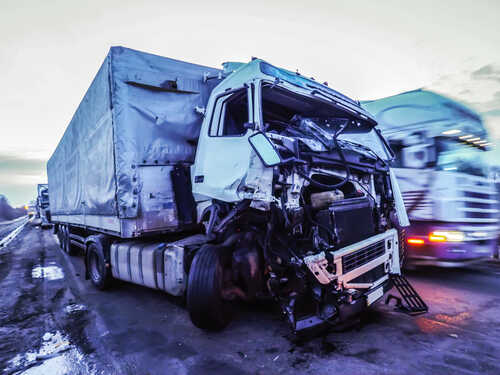
An undocumented truck driver’s extradition fight after a fatal Florida crash has ignited a battle over immigration policy, state sovereignty, and the safety of interstate commerce.
At a Glance
- Florida Lt. Gov. Jay Collins is traveling to California to extradite Harjinder Singh
- Singh’s illegal U-turn on the Florida Turnpike killed three people on August 12, 2025
- California’s licensing of undocumented commercial drivers faces new scrutiny
- The FMCSA has launched a federal investigation into Singh’s employer
- The case highlights growing tensions between state and federal authority
Florida’s Direct Action
On August 12, 2025, Harjinder Singh, a truck driver licensed in California but undocumented, made an illegal U-turn on the Florida Turnpike near Fort Pierce. The maneuver blocked all northbound lanes, leading a minivan to crash into Singh’s trailer, killing three Florida residents. Singh and a passenger fled to Sacramento the next day before being arrested.
Watch now: Florida Turnpike Fatal Crash · Twitter
DeSantis Sends Lt. Gov. Collins to Get Illegal Accused in Fatal Crash https://t.co/fGQ93Qtoh5
— Linda (@Nakota2361) August 21, 2025
Florida Governor Ron DeSantis placed the extradition effort in the hands of Lt. Gov. Jay Collins, who is personally overseeing Singh’s transfer. State officials argue that only Florida’s justice system can ensure accountability in this case, framing the move as an assertion of state sovereignty. Legal analysts note the unusual step of a lieutenant governor managing an extradition directly, marking a significant escalation in inter-state legal disputes.
Licensing Under Fire
California’s policy of issuing commercial driver licenses to undocumented immigrants has drawn national criticism after the crash. Florida officials contend the practice undermines public safety, especially when truckers with questionable driving records cross state lines. Reports indicate Singh had failed prior driving tests, raising alarms over vetting standards.
California defends its system as one designed to improve road safety by ensuring undocumented residents undergo testing and insurance requirements. Still, critics argue the policy creates risks when drivers with incomplete oversight are permitted to operate heavy commercial vehicles nationwide. The incident has sharpened debate over how states balance inclusion with accountability in licensing noncitizens.
Federal Scrutiny and Political Fallout
The Federal Motor Carrier Safety Administration has opened a comprehensive probe into Singh’s employer, White Hawk Carriers, Inc. Federal officials cite regulatory gaps that allowed Singh to operate a commercial vehicle despite red flags in his driving record. The Department of Transportation is also examining whether federal oversight of state licensing practices should be expanded to prevent similar tragedies.
Homeland Security officials have directly blamed California’s licensing rules for enabling the crash, while immigrant advocacy organizations warn against targeting entire communities based on one driver’s actions. As both sides clash, Congress faces renewed calls for reforms that could impose stricter national standards on commercial driver certification.
Community and Industry Impact
The crash devastated families of the three victims and stunned the Fort Pierce community. For Florida officials, the incident has become a rallying point for tougher immigration and licensing laws. In contrast, California maintains that bringing undocumented drivers into the regulated system promotes safety rather than undermines it.
The trucking industry now faces heightened scrutiny, with pressure mounting on carriers to tighten compliance and screening. Industry experts warn that systemic gaps in driver vetting—spanning state policies, employer practices, and federal oversight—leave public safety vulnerable. The outcome of Singh’s case, and the policy debates it has triggered, could reshape the balance of state and federal authority over immigration and transportation nationwide.
Sources
Miami Herald
Tampa Bay Times
U.S. Department of Transportation