
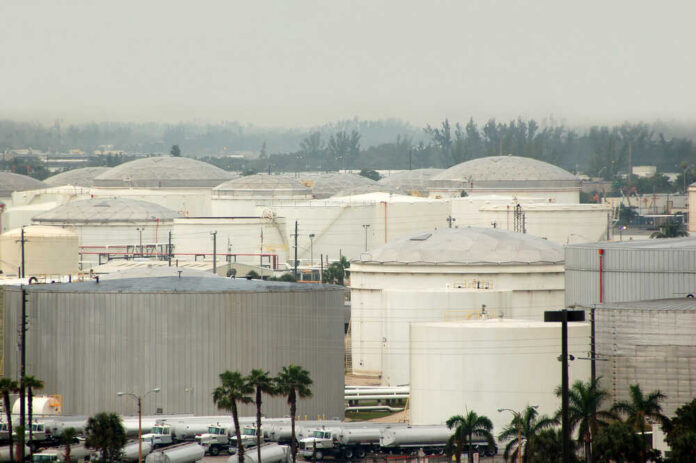
Europe faces jet fuel exhaustion in just six weeks, exposing the perils of globalist energy dependence amid the Iran war’s blockade of the Strait of Hormuz.
Story Snapshot
- IEA Executive Director Fatih Birol warns Europe has roughly six weeks of jet fuel reserves left due to blocked oil supplies.
- Strait of Hormuz closure from Iran war halts tanker movements, shutting down European refineries.
- Flight cancellations loom by mid-May 2026 without swift reopening and refinery restarts.
- Alternative supplies from Asia face 3+ week delays, underscoring supply chain fragility.
- Global energy crisis threatens inflation, economic slowdown, validating calls for American energy independence.
IEA Issues Dire Warning
Fatih Birol, Executive Director of the International Energy Agency, delivered the stark assessment during an Associated Press interview on April 16, 2026, at IEA headquarters in Paris. He stated Europe holds “maybe six weeks or so” of jet fuel, predicting cancellations soon if the Strait of Hormuz remains closed. This chokepoint carries 20-30% of global oil trade, now fully halted by the Iran war. Refineries cannot restart without crude inflows, depleting aviation-specific kerosene stocks rapidly. Birol labeled it the largest energy crisis ever faced.
Root Causes in Geopolitical Conflict
The Iran war escalated to block the Strait of Hormuz, stranding oil tankers and preventing refinery operations across Europe. Europe depends heavily on imported crude through this route for jet fuel production. Past incidents like 2019 tanker attacks caused spikes but no full closures; this marks unprecedented disruption. Alternative sourcing from China and India refineries demands 2+ weeks transit plus 1-week ramp-up, requiring stable crude stockpiles that remain uncertain. Analyst Patrick De Haan highlighted these 3+ week delays as critical barriers.
Impending Economic and Travel Disruptions
Short-term impacts include widespread flight cancellations, hitting tourism, business travel, and air cargo. Airport operators warned the EU of kerosene exhaustion in as little as three weeks without increased Middle East deliveries. Italian airports like Milan and Venice already impose refueling restrictions. Jet fuel prices doubled to over $1,500 per tonne, prompting Scandinavian and Polish airlines to cut capacity. Broader effects ripple to higher gasoline, gas, and electricity costs, fueling inflation and recession risks in weaker economies by late May.
Long-term, persistent war accelerates pushes for alternative fuels, though experts note supply chain hurdles persist beyond the blockade. Birol cautioned prolonged closure worsens global growth and inflation.
Stakeholders Press for Resolution
European airlines and airports face direct threats, pressuring EU energy ministers for action. Refineries in Europe, China, and India hesitate on restarts without guaranteed crude. IEA influences policy without enforcement power, while geopolitical control rests with Iran war parties. Governments, including US allies under President Trump’s second term, prioritize diplomacy and military options to restore flows. This crisis validates conservative warnings on overreliance on foreign oil, contrasting America’s fossil fuel strength that shields domestic aviation.
Sources:
IEA: Europe to run out of jet fuel in six weeks unless oil trade, refineries restart
Europe has maybe 6 weeks of jet fuel left, energy agency head tells AP
IEA: Europe will run out of jet fuel in six weeks unless tankers move, refineries restart