
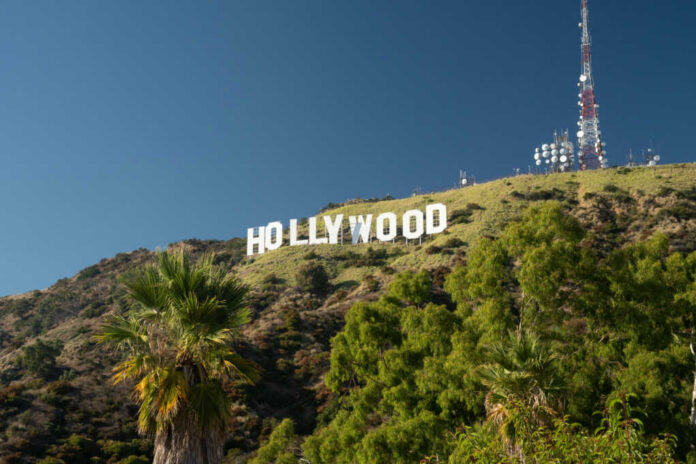
A $110 billion Hollywood mega-merger could save the industry from streaming giants—or doom it to irreversible decline, depending on who you ask.
Story Snapshot
- Paramount Skydance’s hostile $110 billion bid for Warner Bros. Discovery ignites fierce debate over competition, jobs, and press freedom.
- Over 2,000 Hollywood stars like Mark Ruffalo and J.J. Abrams sign letter urging regulators to block the deal.
- California and New York attorneys general launch antitrust probes amid labor unrest and economic fears.
- Pro-merger voices argue a combined powerhouse would challenge Netflix, Amazon, and Disney+ more effectively.
- Trump’s support for Paramount raises stakes on news independence for CNN and CBS News.
Merger Timeline Unfolds Rapidly
Discussions for Warner Bros. transactions started in December 2025. Warner Bros. accepted a Netflix offer, but Paramount countered with $110 billion in February 2026. Paramount launched hostile bids, bolstered by President Trump’s public preference. By April 2026, over 2,000 film and television professionals signed an open letter opposing the merger. California Attorney General Rob Bonta and New York Attorney General Letitia James coordinated antitrust investigations that same month.
Warner Bros. Discovery, financially strained in a shifting market, owns CNN and cable channels. Paramount Skydance aims to expand market share against tech streamers. David Ellison and Larry Ellison, Paramount owners aligned with Trump, drive the push. This setup pits traditional Hollywood against dominant platforms like Netflix, Amazon Prime Video, and Disney+.
Hollywood Professionals Mount Fierce Opposition
Actors, writers, directors, producers, and crew members rallied with a letter warning of reduced competition and accelerated consolidation. Signatories including Mark Ruffalo, J.J. Abrams, Denis Villeneuve, and Ben Stiller highlight the disappearance of mid-budget films, erosion of independent distribution, and collapse of international sales markets. They demand regulators block the deal to protect jobs and creative pathways.
Norm Eisen of the Democracy Defenders Fund claims the merger harms competition, creativity, and democracy’s bedrock. Craig Aaron of Free Press calls it worse than the Netflix option, predicting job losses and threats to CNN’s independence under Trump-aligned Ellisons. Neera Tanden of the Center for American Progress warns of grave press freedom risks for CNN and CBS News.
Regulatory and Labor Pressures Intensify
California Attorney General Rob Bonta demands a full review of the Warner Bros. transactions. He coordinates with New York Attorney General Letitia James on antitrust scrutiny. Los Angeles County approved an economic analysis of impacts on entertainment jobs. CBS News union members staged 24-hour walkouts over contract failures, signaling broader labor anxieties.
Matt Stoller of the American Economic Liberties Project insists regulators block the merger to save the TV and film industry from Detroit-like hollowing. He advocates separating distribution from production. These views align with progressive fears, but common sense reveals Hollywood’s 30-year vertical integration trend already reshaped the business without total collapse.
Nuanced Case for Merger Benefits
Eric Fruits of the International Center for Law & Economics acknowledges valid consolidation concerns but urges complexity. The merger reduces major studios and boosts bargaining over talent, risking jobs, yet a Paramount-Warner Bros. giant could rival Netflix, Amazon, and Disney+ effectively. Reason Magazine analysis supports consumer benefits despite labor disruptions.
Press freedom alarms over CNN and CBS News under single ownership ignore realities: ABC World News Tonight and NBC Nightly News, top evening programs, come from left-leaning outlets. Facts undermine doomsday claims; a stronger competitor might deliver better content and services to audiences, aligning with free-market principles that foster innovation over endless regulation.
Short-Term Disruptions Versus Long-Term Gains
Labor markets face immediate upheaval with job losses hitting freelancers and independents hardest. Regulatory delays create uncertainty. Yet long-term, enhanced competition could lower costs and expand choices. Independent creators risk fewer mid-budget opportunities, but industry sustainability demands adaptation to streaming dominance, not blocking scale against tech behemoths.
Sources:
Hollywood rallies against Paramount, Warner Bros. deal
Paramount’s Acquisition of Warner Bros. Wouldn’t Be the End of Hollywood or Press Freedom
Paramount Skydance’s Takeover of Warner Bros. Is Bad News for Workers, Consumers and Free Expression
Los Angeles County board votes to analyze Paramount-Warner Bros. Discovery mergers’ job impact