President Trump’s blunt public warning that Israel is “PROHIBITED” from bombing Lebanon has exposed just how fragile even America’s closest alliances can become when policy is delivered by social-media decree.
Quick Take
- Trump announced a 10-day Israel–Lebanon ceasefire, then publicly declared Israel “prohibited” from further strikes, catching Israeli leaders off guard.
- Israeli Prime Minister Benjamin Netanyahu and advisers reportedly learned of the shift through media coverage and scrambled for clarification from the White House.
- U.S. officials later emphasized the written ceasefire framework: no offensive operations, but Israel retains the right to self-defense against imminent or ongoing attacks.
- This spotlighted a major coordination gap between allied governments and raised questions about how binding public presidential rhetoric is versus formal agreements.
Trump’s “prohibited” message jolts a traditional alliance
President Donald Trump’s ceasefire push between Israel and Lebanon took a surprising turn when he posted that Israel “will not be bombing Lebanon any longer” and is “PROHIBITED” from doing so by the United States. The language was unusually forceful for an American president addressing an ally’s military actions. Reports said the message landed as a shock inside Israel’s leadership, particularly because it appeared to go beyond the ceasefire text released by the State Department.
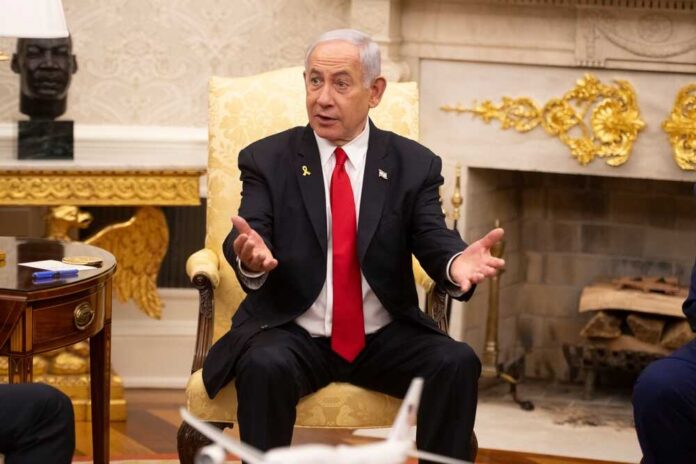
Prime Minister Benjamin Netanyahu and senior advisers reportedly felt blindsided not only by the substance but by the delivery. The key complaint described in reporting was procedural: Israeli officials said they were not briefed through normal diplomatic channels before the public admonition spread. That breakdown matters because ceasefires are brittle; if commanders and diplomats do not share the same rules, the risk of miscalculation rises, especially when rockets, raids, or retaliation unfold quickly.
What the ceasefire text allowed—and what Trump’s rhetoric implied
The State Department’s ceasefire framework, aimed to draw a bright line between “offensive” strikes and actions considered self-defense. Under the terms outlined publicly, Israel committed not to conduct offensive operations against Lebanese targets, while retaining the ability to act against planned, imminent, or ongoing attacks. That distinction became the center of confusion after Trump’s social-media phrasing sounded absolute, prompting immediate questions about whether the public message rewrote the deal.
After Axios pressed the administration for clarity, a U.S. official reportedly affirmed the agreement’s structure: offensive operations were to stop, but Israel’s right to defend itself remained intact. In practical terms, that clarification suggests the written deal—not the most sweeping interpretation of Trump’s post—was intended to guide decisions. Even so, when an ally hears “prohibited,” commanders may hesitate, enemies may test lines, and politicians may posture for domestic audiences.
Why Israel says it was caught off guard
Israel’s reported reaction centered on the timing and the channel. Netanyahu’s team allegedly learned of the tougher-sounding U.S. position through media accounts rather than a direct, formal notification. Israeli Ambassador to Washington Yechiel Leiter was reported to be assessing whether U.S. policy had shifted in a fundamental way. From Israel’s standpoint, that is not a minor concern: operational planning depends on predictable understandings of U.S. support, constraints, and the precise meaning of any ceasefire terms.
This kind of surprise also cuts against the longstanding norm of tight U.S.–Israel coordination, especially on sensitive military questions. Multiple reports characterized the public pressure as something that would have been “unthinkable” under other administrations. That does not prove the policy is wrong, but it does show how the method of communication can carry strategic consequences. When signals are inconsistent—text versus post—both friends and adversaries may gamble on the interpretation that best suits them.
The broader stakes for American credibility and “government-by-communication”
For American voters already skeptical of Washington’s competence, the episode reinforces a recurring frustration: major policy can seem to swing on messaging rather than process. Conservatives tend to prefer clear lines, constitutional accountability, and disciplined diplomacy that avoids creating leverage for hostile actors. Liberals often argue the U.S. should restrain allies to limit civilian harm. The problem both sides can recognize is that mixed signals weaken credibility—abroad and at home—because nobody knows which “America” is speaking: the agreement or the post.
Netanyahu Left 'Personally Stunned' By Trump Rhetoric Prohibiting Lebanon Strikes https://t.co/V25hbqSFza
— zerohedge (@zerohedge) April 19, 2026
In the near term, the practical question is whether the ceasefire’s self-defense carveout is applied consistently—and communicated privately before it’s broadcast publicly. In the longer term, allies will watch whether sensitive constraints are delivered through established channels or through rhetorical pressure that forces public compliance. The reporting available does not resolve how often this approach will be used, but it does show that even aligned governments can be thrown into confusion when diplomacy and messaging drift apart.
Sources:
Lebanon strikes: Israel caught off guard after Trump said it was “prohibited”
Netanyahu Left ‘Personally Stunned’ By Trump Rhetoric Prohibiting Lebanon Strikes
Donald Trump Lebanon strike ban shocks Benjamin Netanyahu, contradicts ceasefire
Netanyahu long road to peace begins as Trump says Israel ‘prohibited’ from bombing Lebanon