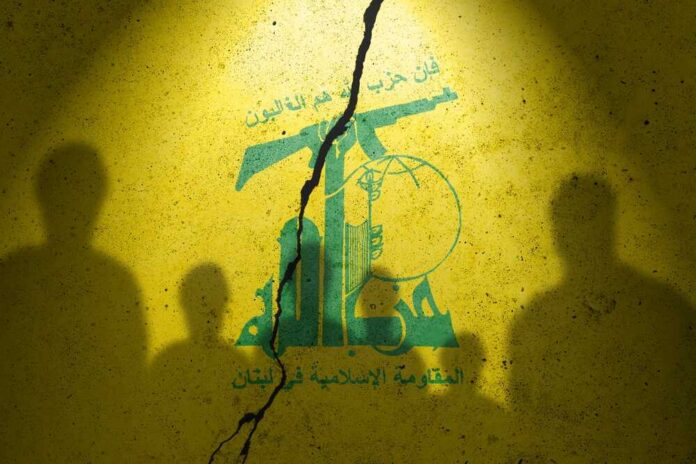
Lebanon’s latest wave of spy arrests shows how Hezbollah and its allies tighten their grip at home while blaming Israel for every crisis, raising real questions about justice and regional stability.
Story Snapshot
- Lebanon says 32 people helped Israel target Hezbollah, but many details stay secret.
- A singer close to Hezbollah allegedly gave coordinates used in a deadly Israeli airstrike.
- Telecom workers and other suspects face harsh military court sentences and hard labor.
- Past Lebanese “spies” were later cleared, showing how politicized these cases can be.
Lebanon’s New Spy Crackdown Targets Alleged Israel Network
Lebanese judicial officials say 32 people have been arrested in recent months for allegedly passing information to Israel that helped strike Hezbollah targets inside Lebanon. They claim some of this intelligence made it easier for Israel to hit leaders and sites tied to the Iran-backed group. The arrests reportedly began before a recent ceasefire and continued afterward. Officials spoke anonymously to Agence France-Presse, which means the public still cannot see the actual case files or evidence.
These officials say nine of the 32 suspects have already faced the Lebanese military court, with two people sentenced to seven and eight years of hard labor. According to the same reports, these convicted men were found guilty of giving “coordinates, addresses, and names” of Hezbollah figures used later in strikes. The remaining 23 suspects are still under investigation by security services. All of this unfolds in a system where Hezbollah’s influence over the state and courts is a constant concern for outside observers.
A Singer Close To Hezbollah And A Deadly Airstrike
One of the most explosive claims involves a man described as “a singer close to Hezbollah.” A second judicial official says this man allegedly collaborated with the Israeli Mossad intelligence service in exchange for money. The official claims he provided precise coordinates that led to an Israeli airstrike in April 2025, killing a Hezbollah official and his son. That detail turns a spy story into a direct link between secret data and a deadly strike, though no supporting documents have been released.
Despite how serious this claim is, public reporting does not yet name the singer or show his confession. Instead, the story rests on anonymous officials quoting what they say happened inside questioning rooms and military court files. For American readers used to open trials, this should raise a red flag. Without court transcripts, intercepted messages, or financial records, it is impossible to judge how strong the case really is. We only know Lebanon’s security state says he did it and Hezbollah has every political reason to agree.
Telecom Technicians And The Battle For Phone Data
Lebanon’s spy scares often center on its phone networks, and this case appears no different. In a past example, Lebanon’s telecommunications minister Charbel Nahhas said a man working as a technician at one of the country’s two main mobile networks had been arrested and accused of spying for Israel for more than 15 years. Because telecom workers handle large amounts of call and location data, Lebanese officials warn they “could have had access to sensitive information” about political and military figures.
This kind of access matters far beyond Lebanon. Any foreign power that can see call patterns, movement routes, and tower usage gains a map of who talks to whom and where they travel. That matters to Americans, too. Our own privacy and security at home depend on tight control of critical networks. Lebanon’s pattern shows what happens when a weak state, a powerful militia like Hezbollah, and outside intelligence services all fight for control of the same data pipes.
Political Pressure, Past Mistakes, And Why Skepticism Is Healthy
Lebanon’s record shows why it is wise to question every “spy” headline, even when the accused are unpopular. In earlier crackdowns, twenty people were arrested on espionage charges, but three were later released for lack of evidence. International coverage has noted that many recent arrests come amid economic collapse, with some suspects allegedly lured by cash as the country falls apart. That mix of poverty, political pressure, and opaque courts makes it hard to separate real spies from convenient scapegoats.
The case of Lebanese actor Ziyad Itani is a stark warning. He was arrested, accused of spying for Israel, and reportedly “confessed” to meeting Israeli handlers. Later, a military investigative judge dismissed all charges, and Lebanon’s interior minister said he had been cleared. Itani now says he was never a spy and that the case was built on false accusations. When a high-profile “spy” turns out to be innocent after a supposed confession, it shows how fragile these claims can be, especially in a system influenced by Hezbollah.
Why This Matters To American Conservatives
For American conservatives, this story is not just distant Middle East drama. It shows what happens when armed movements like Hezbollah blur the line between party and state, then use “national security” to justify secret trials and harsh sentences. It is the same logic the Left sometimes uses at home to push surveillance, censor speech, or target political enemies under vague security claims. When courts operate in the dark, basic rights die quietly.
It also reminds us that Israel lives under constant threat from Iran-backed groups on its borders, while those same groups crush dissent inside their own countries. Real espionage exists, and every nation has the right to defend itself. But Americans should insist on clear evidence, open proceedings, and real due process, whether in Beirut or Washington. That is what protects us from weaponized accusations, politicized prosecutions, and the kind of permanent “emergency” the Left often uses to expand government power.
Sources:
insiderpaper.com, barrons.com, today.lorientlejour.com, arabnews.pk, english.aawsat.com, facebook.com, youtube.com, aljazeera.com