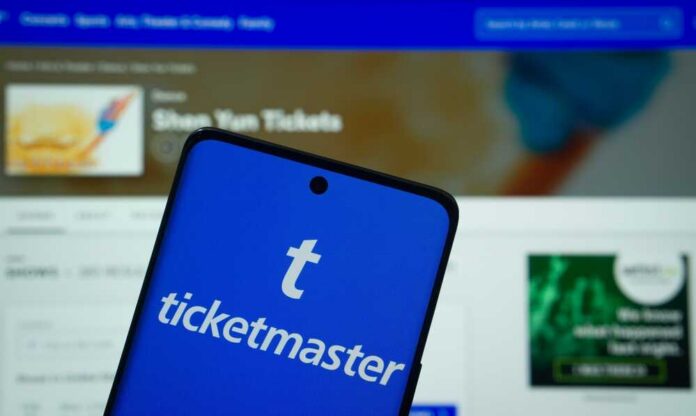
Congressional scrutiny of Live Nation and Ticketmaster is exposing how one giant can squeeze fans, venues, and artists at once.
Quick Take
- Rep. Jamie Raskin and Sen. Richard Blumenthal are leading a bicameral forum on the Live Nation–Ticketmaster monopoly and a Department of Justice settlement.
- The hearing centers on whether the company’s market power goes beyond high fees and rises to unlawful control of the live entertainment system.
- Critics say the settlement may not restore real competition for fans, artists, and independent venues.
- The record provided here shows a political and policy fight, but not a final judicial ruling on the merits.
Congress Turns Up the Heat on Ticketmaster
WASHINGTON, D.C. — Rep. Jamie Raskin and Sen. Richard Blumenthal are using a bipartisan-style congressional setting to press the case that Live Nation and Ticketmaster have too much control over live entertainment. The forum, titled “Corruption Takes Center Stage: How the Live Nation–Ticketmaster Settlement Threatens Antitrust Enforcement,” is designed to examine market power, the Department of Justice settlement, and the broader impact on fans and venues [1][2].
The timing matters because lawmakers are not treating this as a routine consumer complaint. They are holding a formal hearing to ask whether a single company can dominate promotion, ticketing, and venue access while still claiming the system is competitive. For conservatives who distrust corporate favoritism and government inaction alike, the question is straightforward: does this structure reward ordinary Americans, or does it lock them into higher prices and fewer choices [1][2]?
Why the Antitrust Case Keeps Growing
The materials provided say the dispute is framed around monopoly power and vertical integration, not just expensive concert tickets. TicketNews reports that the hearing will examine Live Nation and Ticketmaster’s market power, while a second report describes the company’s “better product” defense as states continue pressing a vertical integration case [1][2]. That framing matters because antitrust law is about competition, not whether a company is merely popular.
The limitation leaves readers with a clear picture of the controversy but not a complete evidentiary record. Even so, the public policy concern is obvious: when one firm can steer artists, venues, and ticket buyers through the same pipeline, independent competitors can struggle to survive [1][2].
What This Means for Fans, Artists, and Venues
Independent venue owners and industry critics say the central issue is whether Live Nation and Ticketmaster use their scale to tilt the playing field. The forum’s title and descriptions suggest lawmakers are looking at claims that consolidation has driven up ticket prices, stifled competition, and hurt the businesses that actually host live events [1][2]. That is the kind of concentrated market power many conservatives have long warned can become a private-sector version of government overreach.
If the allegations prove persuasive, the remedy question will be the next battleground. The reporting says the government settlement is being criticized for failing to restore competition, which is why lawmakers are revisiting the issue in open forum rather than letting the matter fade into bureaucratic language [1][2]. For readers tired of elite insiders protecting large systems while everyone else pays more, this fight is about whether antitrust law still means anything in practice.
Sources:
[1] Web – Raskin, Blumenthal to Set Monday Congressional Hearing on Live …
[2] Web – Live Nation Leans on ‘Better Product’ Defense as States Press …