A fortress zoo on a Welsh island ended up becoming a symbol of how quickly a supposedly contained attraction can turn into a public nuisance when monkeys climb down to the beach.
Quick Take
- St Catherine’s Island in Tenby once housed a zoo with more than 100 animals, including monkeys and an alligator.[1]
- Available reporting says the monkeys occasionally escaped and stole from tourists on the beach below.[1]
- A later documentary on the site says the zoo was eventually shut down for animal welfare reasons.[2]
A Fortified Island That Was Not Built for a Zoo
St Catherine’s Island sits just off Castle Beach in Tenby, Pembrokeshire, and the site’s own history makes the zoo story unusual from the start.[1] Countryfile says the fort housed a zoo from 1968 to 1979, with more than 100 animals on the island, including monkeys and an alligator.[1] That setting mattered because the island’s natural barriers made any escape from the enclosures more visible to the public below.[1]
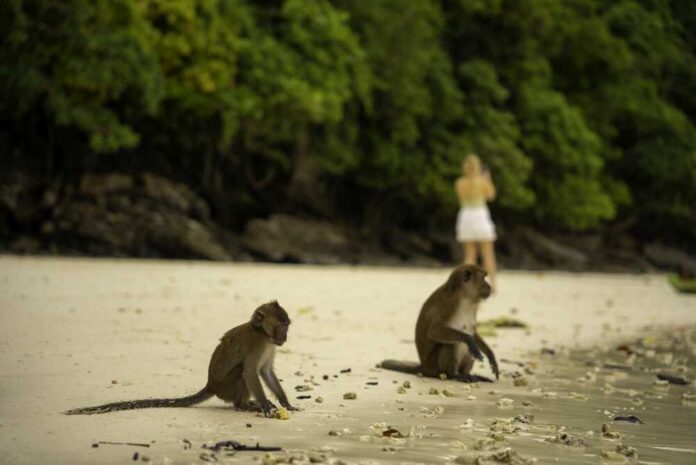
The available reporting gives one clear detail that matters most: the monkeys did escape on occasion, and the same source says they stole from tourists on the beach below.[1] That is enough to show a real containment problem, but it is not enough to prove a major emergency, an injury, or a shutdown triggered by a single incident.[1] The record supplied here describes nuisance and disorder, not a documented public-safety crisis.[1]
What the Reporting Says About the Closure
A later Science Channel documentary on the island says the zoo opened in March 1968, housed “more than a hundred animals,” and eventually became too much for the family who ran it.[2] In that account, monkeys escaped their enclosures and climbed down the side of the island, and the zoo was later shut down for animal welfare purposes.[2] That framing supports the idea that the closure came from broader operational and regulatory pressure, not just one dramatic beach episode.[2]
That distinction matters because the headline version of the story can easily overstate what the record actually proves. The supplied material confirms escapes and beach disruption, but it does not provide a closure order, licensing file, or inspection report tying the shutdown directly to a specific monkey escape.[1][2] For readers who care about facts over spectacle, that gap is important: a nuisance incident is not the same thing as formal proof of why the zoo closed.[1][2]
Why This Story Still Resonates
The island zoo story has stayed alive because it combines unusual geography, animal escape, and a crumbling fortress setting into one memorable image.[1][2] But the broader lesson is simpler and more practical: public attractions that house wild animals need serious containment standards, especially when the site sits above a beach or other public space.[1][2] When those standards slip, the result is not just embarrassment; it raises legitimate questions about safety, responsibility, and animal welfare.[2]
The strongest available evidence therefore points to a historical zoo that had recurring monkey escapes, not to a fully documented claim that one escape alone forced the closure.[1][2] The island was later described as no longer fit for purpose under newer animal welfare rules, which gives the shutdown a broader explanation than the headline suggests.[2] For a conservative reader, the core issue is plain: when institutions fail to maintain order and accountability, the public pays for it in confusion, risk, and decay.[1][2]
Sources:
[1] Web – Haunted zoo on fortified island forced to close after monkeys escape …
[2] Web – This fortified island off the coast of Wales was once home to …