
The tragic death of two-year-old Vladimir Iakubanets following a box jellyfish sting at a popular Malaysian tourist beach has thrown a spotlight on critical, deadly gaps in coastal safety measures. This tragedy serves as a stark warning, exposing the hidden marine hazards that put countless American families at risk when vacationing overseas.
Story Highlights
- Vladimir Iakubanets died five days after a box jellyfish sting at Chenang Beach, Langkawi
- Despite immediate CPR and medical care, the toddler succumbed to complications on November 19
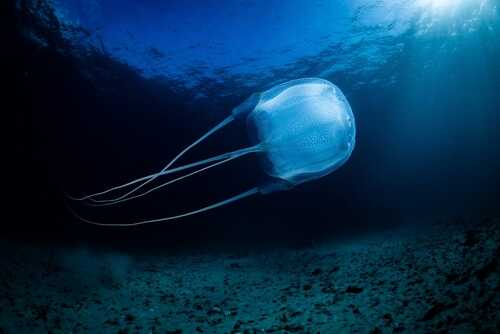
- Box jellyfish are among the world’s most venomous marine animals, capable of causing death within minutes
- Incident highlights inadequate safety warnings at popular tourist destinations frequented by American families
Deadly Encounter at Family-Friendly Beach
Vladimir Iakubanets was playing in shallow water at Chenang Beach on November 15 when a box jellyfish struck without warning. The popular family destination in Langkawi, Malaysia, attracts thousands of international tourists annually, including many American families seeking tropical getaways. Despite immediate CPR and first aid treatment with vinegar, the two-year-old’s condition rapidly deteriorated. He was transferred through multiple medical facilities before being admitted to Sultanah Bahiyah Hospital’s intensive care unit.
Boy, 2, dies after being stung by jellyfish on family holiday https://t.co/7i5gcvFqXj pic.twitter.com/fACFdAoIZF
— The Mirror (@DailyMirror) November 20, 2025
Medical Battle Ends in Tragedy
Medical teams fought for five days to save Vladimir’s life, but the box jellyfish venom proved fatal. He was pronounced dead at 9:46 am on November 19, despite receiving the most advanced care available. His parents, Nikita and Olga, publicly thanked the medical staff and emergency responders for their efforts. The family chose not to pursue legal action, instead focusing on raising awareness about the hidden dangers lurking in seemingly safe tourist waters.
Insufficient Warning Systems Endanger Tourists
Box jellyfish stings represent one of the ocean’s most severe hazards, yet many popular tourist beaches lack adequate warning systems or visible safety measures. These translucent killers are nearly invisible in water and can deliver venom capable of causing cardiac arrest within minutes. The incident raises serious questions about whether foreign tourism authorities prioritize visitor safety or tourism revenue. American families deserve clear warnings about life-threatening marine hazards when choosing vacation destinations for their children.
Call for Enhanced Beach Safety Protocols
Tourism safety experts emphasize that rapid response protocols and public education campaigns could prevent similar tragedies. The installation of protective nets, prominent warning signage, and mandatory first aid training for beach staff represent basic safety measures that should be standard at all tourist beaches. Vladimir’s death serves as a stark reminder that parents must research potential dangers before exposing their families to unfamiliar environments. This tragedy underscores the critical importance of personal responsibility and thorough preparation when traveling internationally with children.
Watch the report: 2 y/old Russian child dies after receiving treatment in hospital for jellyfish sting in Langkawi
Sources:
Russian five-year-old succumbs to box jellyfish sting in Langkawi
Russian boy dies after box jellyfish sting in Langkawi – CNA