Trump’s America leads bold charge against China’s stranglehold on critical minerals, forging EU alliance to reclaim U.S. industrial sovereignty.
Story Highlights
- U.S. and EU advance draft pact with minimum price guarantees and tariffs to counter China’s dominance in rare earths, copper, and graphite.
- Trump administration drives multi-nation trade bloc including Japan and Mexico, emphasizing full supply chain from extraction to recycling.
- Incentives aim to stabilize prices, boost non-Chinese mining in Africa and beyond, protecting defense, EVs, and renewables.
- Discussions near formal agreement as of April 13, 2026, building on prior friend-shoring deals amid unresolved subsidy details.
Trump Administration Spearheads Anti-China Minerals Strategy
The Trump White House positions critical minerals at the center of its industrial policy. U.S. officials announced plans at an early April 2026 summit for reference prices enforced by adjustable tariffs. These measures target China’s market flooding, which undercuts non-Chinese producers. The strategy loosens Beijing’s grip on supplies vital for missiles, jets, electric vehicles, and renewable tech. This approach aligns with America First principles, prioritizing domestic manufacturing and national security over globalist dependencies. Americans on both sides of the aisle weary of elite-driven vulnerabilities see this as a step toward self-reliance.
EU Joins U.S. in Draft Action Plan for Resilient Supply Chains
U.S. and EU negotiators drafted an action plan covering the full minerals value chain, from exploration to recycling. Incentives include minimum price guarantees, coordinated investments, joint projects, and responses to disruptions like China’s export curbs. Brussels focuses on standards and public procurement, complementing U.S. tariff mechanisms. The pact seeks like-minded partners such as Japan and Mexico, potentially expanding to African nations for extraction. This multi-country framework departs from past bilateral deals, signaling a unified Western front against economic coercion.
Breaking China’s Dominance Through Friend-Shoring
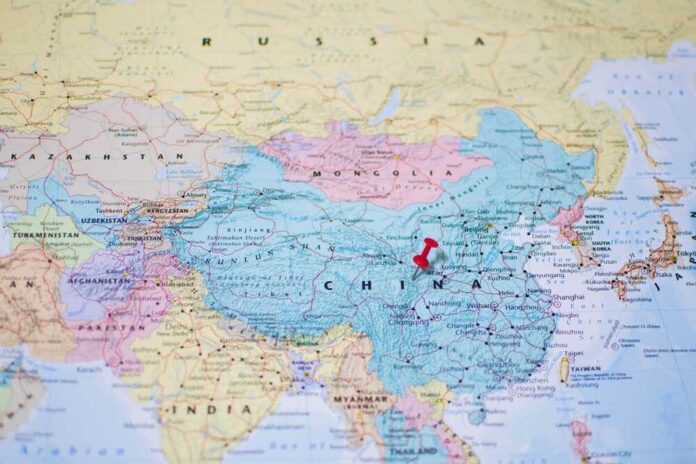
China controls extraction and refining of key minerals including rare earths, graphite, and copper, essential for defense and energy tech. Past export restrictions on gallium and germanium rattled global markets, exposing U.S. vulnerabilities. Recent U.S. deals with Malaysia, Thailand, and Cambodia build alternative processing capacity. February 2026 joint statements with EU and Japan laid groundwork. The emerging bloc echoes 2023 talks but adds enforceable price floors, fostering investments outside Beijing’s influence. Conservatives applaud this rejection of reliance on adversarial powers.
This initiative counters frustrations shared by left and right: government failure to secure American prosperity. Elites long favored cheap Chinese imports, inflating costs and eroding jobs. Price stabilization promises domestic investment and employment in mining regions. Yet initial higher mineral costs may challenge green agendas, highlighting tensions between security and affordability. Long-term, resilient chains advance energy transition without compromising sovereignty.
EU, US sign critical minerals plan to counter China reliance
Read more at: https://t.co/KYlU0199Mv#UnitedStates #EuropeanUnion #MineralSupplyChain #China
— Mathrubhumi English (@mathrubhumieng) April 24, 2026
Impacts on Economy, Security, and Global Standing
Short-term, tariff-backed floors stabilize volatile prices, spurring rapid investments in non-Chinese suppliers. U.S. and EU manufacturers gain protection from dumping, boosting jobs and innovation. Politically, the alliance strengthens ties against China, reducing defense supply risks. Experts view it as the boldest Trump move on minerals, committing to alternative networks. Unresolved issues like exact subsidies persist, but momentum builds toward signing. For families pursuing the American Dream, this counters deep state globalism with practical, liberty-focused policy.
Sources:
U.S., EU Explore Coordinated Approach to Reduce Reliance on China for Critical Minerals
EU, US near critical minerals pact to counter China’s grip