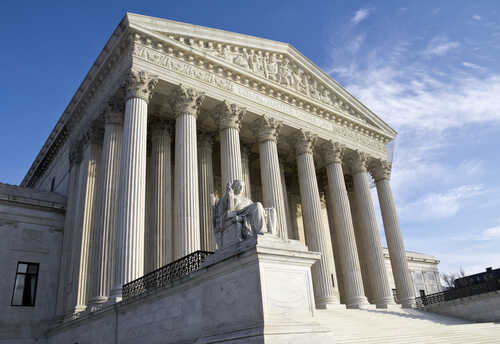
In a rare and unexpected decision, the Supreme Court ruled against the Trump administration on its emergency “shadow docket,” denying a request to pause a lawsuit from immigration judges. The judges are challenging a policy that bars them from publicly discussing their work without prior approval. This ruling is a significant moment in the ongoing debate over transparency and governmental control in immigration policy, underscoring the delicate balance between a unified government stance and the constitutional right to free speech.
Story Highlights
- The Supreme Court ruled against the Trump administration on a shadow docket case.
- The case challenges a policy restricting immigration judges from public commentary.
- This decision may affect transparency in immigration policy discussions.
Supreme Court’s Uncommon Decision
On December 19, 2025, the Supreme Court issued a rare ruling against the Trump administration on its “shadow” or emergency docket. The court denied a request to pause a lawsuit brought by a group of immigration judges who challenged a government policy barring them from speaking publicly about their work. This policy prohibits immigration judges from publicly discussing immigration issues without prior approval. The ruling was unexpected, given the conservative majority in the Court, bringing attention to the balance of transparency and government control in immigration matters.
The decision underscores the ongoing debate over how much freedom immigration judges should have in expressing their views. Critics argue that the policy stifles necessary discourse, while supporters claim it ensures a unified governmental stance. With this ruling, the administration might need to revisit how it approaches transparency and communication in immigration policy.
Court of Appeals shuts down activist judges, pauses contempt theatrics, and backs the Trump DOJ in a major immigration and mandamus showdown. pic.twitter.com/yL8HcdbPX9
— Robert Gouveia Esq. (@RobGouveiaEsq) December 17, 2025
Implications for Immigration Policy
The decision has significant implications for immigration policy transparency. By challenging the restriction on judges, the Court has opened the door for more open discussions about immigration issues. This may lead to increased public awareness and scrutiny of immigration policies, aligning with conservative values that favor transparency and accountability in government.
Transparency in immigration policy is crucial for public trust and informed debate. This ruling may encourage more open discourse, allowing judges to share insights and experiences without fear of reprisal, which is vital for understanding the complexities of immigration law and its enforcement.
The Balance of Power and Free Speech
The ruling also raises questions about the balance of power between the judiciary and the executive branch. By siding with immigration judges, the Court has emphasized the importance of free speech and open dialogue within the legal system. This decision could set a precedent for future cases involving governmental attempts to control public statements by officials.
Supporters of the ruling argue that it protects the constitutionally enshrined right to free speech, which is fundamental to American democracy. As the administration considers its next steps, it must weigh the need for cohesive policy communication against the constitutional rights of its officials.
Watch: Supreme Court revives judge free speech lawsuit
Sources:
Supreme Court rebuffs Trump in immigration judges’ free-speech case – POLITICO.