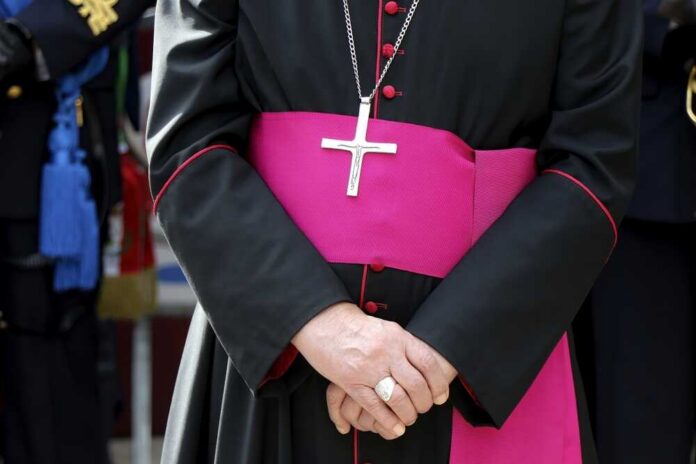
At least twelve Italian bishops are preparing to lead or attend pro-LGBT prayer vigils explicitly endorsed by a national church document that critics warn represents an unprecedented departure from traditional Catholic teaching on sexuality.
Story Snapshot
- Italian bishops’ conference approved a synodal document with 95% support encouraging participation in anti-homophobia vigils
- Twelve bishops plan to lead or attend LGBT prayer events around International Day Against Homophobia in May 2026
- The move reverses 2013 diocesan bans and marks a dramatic shift under Cardinal Matteo Zuppi’s progressive leadership
- Conservative Catholics warn the document explicitly encourages support for civil LGBT events under the guise of prayer
CEI Document Endorses LGBT Vigil Participation
The Italian Episcopal Conference approved its final synodal document, “Leaven of Peace and Fraternity,” on October 25, 2025, with 781 of 809 votes. The document explicitly calls for Church accompaniment of LGBTQ individuals and encourages bishops to participate in prayer vigils against “homotransphobia.” This directive emerged from a four-year synodal process involving over 500,000 participants and 50,000 groups across Italy. The overwhelming approval signals a coordinated shift in pastoral practice rather than isolated diocesan decisions.
Bishops Reverse Course on LGBT Prayer Events
Italian Catholic LGBT groups have organized annual ecumenical anti-homophobia vigils since approximately 2010, inspired by biblical themes like “There is no fear in love” from First John. In 2013, dioceses including Milan under Cardinal Scola initially banned these events from Catholic churches, only to reverse course after public backlash. By 2013, vigils were permitted in major cities including Milan, Florence, Bologna, Rome, Genoa, and Padua. The 2026 vigils represent the culmination of this decade-long trajectory, now with explicit episcopal conference endorsement rather than reluctant diocesan tolerance.
Progressive Leadership Drives Church Direction
Cardinal Matteo Zuppi, president of the Italian Episcopal Conference, has overseen this progressive shift alongside Archbishop Erio Castellucci and Bishop Francesco Savino. Savino, the CEI vice president, celebrated Mass for LGBT pilgrims at Rome’s Church of the Gesù in September 2025 during the Jubilee of Hope. Castellucci clarified in press conferences that the vigils represent “prayer and reflection” rather than Pride parade endorsements, attempting to distinguish the events from secular LGBT activism. However, this distinction offers little comfort to those who see the Church accommodating ideologies fundamentally at odds with biblical anthropology and traditional moral teaching.
Conservative Catholics Sound Alarm
Conservative Catholic media outlets have condemned the document as a warning sign of doctrinal erosion. European Conservative analysts argue the text “explicitly encourages civil LGBT events,” while New Oxford Review described it as “unprecedented openness” representing a rupture with Church tradition. These critics note that framing support as “prayer against discrimination” does not change the underlying reality that bishops are lending institutional credibility to LGBT activism. The controversy highlights a growing divide between progressive church leadership elected through synodal processes and faithful Catholics who believe unchanging doctrine should guide pastoral practice, not popular consultation.
Broader Implications for Catholic Church
The Italian bishops’ action occurs within the broader context of the global Synod on Synodality and Pope Francis’s emphasis on accompaniment and inclusion. While progressive Catholic groups like New Ways Ministry hail this as a “historic turning point” and “overwhelming embrace of openness,” the move risks deepening divisions within the Church. Italian LGBT Catholic groups organized the vigils with explicit reference to the CEI document, using official church approval as validation. This represents exactly the kind of institutional capture many conservatives fear: unelected bureaucratic processes producing outcomes that contradict perennial teaching while claiming pastoral necessity. The question remains whether this represents authentic development of doctrine or abandonment of it under pressure from secular culture.
Sources:
Italian bishop celebrates Mass for LGBT pilgrimage in Rome’s Church of the Gesù
Italian Bishops’ Synodal Report Emphasizes LGBTQ+ Ministry
What to make of the Italian bishops’ document on homosexual and transgender lifestyles
Italian synodal assembly embraces openness to LGBTQ people
Why the New Document from the Italian Bishops is a Warning Sign
Italian Bishops’ Synodal Document Opens to LGBT