A shaky Iran ceasefire deal is now center stage at the G7, forcing President Trump to juggle peace, oil prices, and American strength while the rest of the world tests his every move.
Story Snapshot
- Trump arrives at the G7 after announcing an interim deal with Iran to end the war and reopen the Strait of Hormuz, aiming to calm energy prices and global markets.[8]
- European leaders publicly welcome the ceasefire framework but tie any sanctions relief to real, verified change in Iran’s nuclear behavior.[1]
- The agreement is a short memorandum of understanding with a 60‑day negotiation window, not a final peace treaty, leaving many tough issues unresolved.
- Trump insists the deal includes strong policing powers to stop an Iranian nuclear weapon, but critics warn key nuclear and sanctions questions are still pushed to “later.”[2]
Trump Brings a Fragile Iran Framework to a High-Stakes G7
President Trump landed in Evian-les-Bains for the G7 summit just hours after announcing a memorandum of understanding with Iran to halt fighting and reopen the Strait of Hormuz.[7] The deal follows more than three months of war and a United States naval blockade that had shut a key artery for global oil. Trump told supporters, “Let the oil flow,” and pointed to falling prices and a rising stock market as proof that his pressure strategy forced Tehran to the table. Yet even friendly experts admit this is an interim peace, not a full reset.
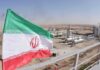
The memorandum of understanding is reported as a fourteen-point framework that extends the ceasefire, eases the blockade, and sets up sixty days of talks on nuclear limits, enriched uranium disposal, sanctions relief, and frozen Iranian assets. American and European reports say the Strait of Hormuz is to be cleared of mines and reopened to shipping, which could ease fuel costs for families already stretched by years of inflation. But critics note the strait was open before the war and warn this only returns us to an earlier, unstable baseline.
What Is Really in the Deal – and What Is Still Missing
Trump and his team frame the agreement as tough but fair, stressing that Iran “will not have a nuclear weapon” and that the deal includes strong policing powers and access to destroy highly enriched uranium.[2] Some coverage says United States officials describe plans to dismantle parts of Iran’s nuclear program and allow on-site destruction of dangerous material, echoing long-standing conservative demands for real verification.[2] At the same time, many outlets remind viewers that we have not yet seen the full text in public, which makes it hard to test those promises against legal language.[4]
European leaders, often quick to scold Washington, have treated this framework as a serious opening instead of a mistake.[1] Germany, France, the United Kingdom, and Italy issued a joint message welcoming the ceasefire deal and saying they are ready to lift some sanctions if Iran takes clear, verifiable steps on its nuclear program.[1] European Commission President Ursula von der Leyen tied any relief to “real change on the ground,” a sign that allies are backing Trump’s pressure but want proof before writing Tehran a blank check.[1] That stance gives conservatives some cover: peace is welcome, but appeasement is not.
Unfinished Business: Sanctions, Nukes, Israel, and American Leverage
Under the framework, the United States begins lifting its naval blockade and prepares for more trade, while Iran gets a chance at sanctions relief and access to frozen assets if it follows through. Reports say there are sharp disputes over how much money Iran might see, what tolls or fees could be tied to Strait of Hormuz traffic, and how far Washington must go on reconstruction aid. Trump has already pushed back on claims of a three hundred billion dollar investment fund, blasting media reports that paint the deal as a huge cash giveaway. That fight matters to taxpayers who remember how earlier deals showered Tehran with resources without ending terror.
On the security side, the hardest problems are again being delayed, which should concern anyone who cares about American strength and Israel’s safety. Experts say the memorandum does not truly settle questions about Iran’s nuclear enrichment, its stockpile of highly enriched uranium, or long-term sanctions relief. Some analyses warn that Iran will portray the agreement as proof the regime survived United States pressure and forced open the flow of oil and gas through the Strait of Hormuz. Others argue the deal could leave Iran stronger than before the war while reducing Washington’s leverage and putting Israel in a tougher spot if follow-up talks go badly.
What This Means for American Conservatives Watching from Home
For many conservative voters, this moment cuts both ways. On one hand, Trump used hard power, not globalist slogans, to bring Iran to a temporary halt and get the G7 talking about real security instead of climate quotas and woke pet projects.[4][7] Reopening a major energy artery, if it holds, can help cut fuel costs, support American workers, and counter efforts by green elites who want to make driving and heating more expensive. On the other hand, the lack of a full public text and the sixty-day window mean this is still a work in progress, not a mission accomplished.
Going forward, conservatives will watch three key tests. First, does shipping through the Strait of Hormuz really normalize, with no hidden tolls or new attacks that drive up prices again? Second, does Iran truly move back from the nuclear brink, with inspectors able to see and destroy enriched uranium rather than just hear promises? Third, does Trump keep sanctions and leverage ready to snap back if Tehran cheats, instead of sliding toward another weak deal that lets an enemy regroup? Those answers will decide whether this G7 moment becomes a lasting victory for peace through strength or another short pause in a dangerous struggle.
Sources:
[1] Web – Trump gathers with word leaders for a high-profile session focused on …
[2] Web – G7 summit: US to focus again on Ukraine after Iran deal, Trump says
[4] Web – FRANCE 24 English’s post – Facebook
[7] Web – WATCH: Trump joins official leaders’ greeting at G7 summit in France
[8] Web – G7 summit live updates: Trump meets with other leaders … – AP News