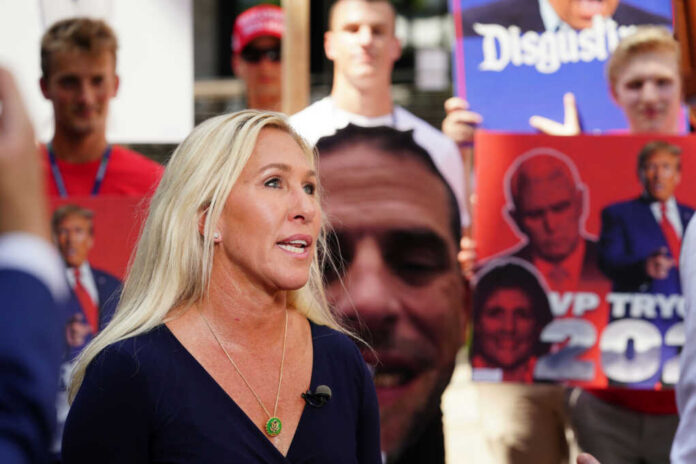
Former Congresswoman Marjorie Taylor Greene’s attack, and quiet deletion, of a post calling a rape allegation “rape for politics” exposes how weaponized accusations and speech policing now shape who is allowed to speak in American politics.
Story Snapshot
- Marjorie Taylor Greene deleted a post accusing Graham Platner’s accuser of using “rape for politics,” raising questions about pressure to silence dissenting views.
- Greene is one of only a handful of Republicans who refused to endorse Platner, signaling deep concern about both the candidate and the narrative around the case.
- Accuser Lyndsey Fifield says The New York Times twisted her story, showing how establishment media shape public perception of sensitive allegations.
- Research shows partisan bias drives how voters judge political sex‑misconduct claims, not just facts or evidence.
Greene’s Deleted Post and Why It Matters
Media reports say former Representative Marjorie Taylor Greene posted, then deleted, a message blasting Lyndsey Fifield, the woman accusing Maine Democratic Senate nominee Graham Platner of rape, and charged she was doing “rape for politics.” The report noted Greene’s post was later removed without explanation, after criticism that she was attacking an accuser in a sensitive case. For many conservatives, the deletion raises a key question: did Greene have a genuine change of heart, or did online pressure and content rules push that speech off the public square?
Only five Republican members of Congress refused to endorse Platner, and Greene was one of them, according to a social media post thanking her by name. That small number shows how rare it is for elected Republicans to break with the party line when a Democrat’s race and a rape claim collide. At the same time, it highlights Greene’s pattern of bucking leadership when she thinks the base is being misled or silenced. Her choice not to back Platner fits a broader concern about how serious allegations get filtered through party talking points instead of hard facts.
Fifield’s Fight With Media Framing
Lyndsey Fifield has said she felt set up by The New York Times after speaking to its reporters about Platner. In follow‑up coverage, she accused the paper’s journalists of twisting her story and using it to help Platner’s campaign instead of telling the truth as she understood it. Those claims are striking because major national outlets had earlier boosted her credibility and presented her as a reliable voice against Platner. When even an accuser says the media warped her words, it undercuts the idea that legacy outlets are neutral referees in these explosive political clashes.
Local coverage in Maine reports that several women who dated Platner described their relationships with him as toxic and troubling. Those accounts paint a picture of a man whose personal life has raised serious concerns, even apart from the rape allegation itself. Yet voters are being asked to sort through these stories while partisan media on both sides shape which details get airtime and which details disappear. That is exactly why many conservatives insist on due process, evidence, and open debate instead of trial‑by‑headline that can change from week to week.
Greene’s History, Party Tensions, and Credibility Questions
Greene’s critics point to her own baggage to dismiss her comments about the Platner case. She has faced public scrutiny for past legal trouble tied to anonymous telecommunications harassment, which opponents say makes her a poor messenger on questions of abuse and credibility. She also broke with Donald Trump in a very public way over the fight to release Epstein‑related files, at one point calling him and others blocking disclosure “traitors,” according to coverage of her media appearances. That history shows she does not always line up cleanly with Republican leadership, and it gives her both a record of independence and an easy target for those who want to ignore her now.
Former Republican Rep. Marjorie Taylor Greene criticizes Congress for not funding DHS while predicting they'll give the Trump administration more money for the war in Iraq. "And Kaitlan, I gotta tell you, I'm still waiting on Mike Johnson to roll out… pic.twitter.com/INNzfJbGXr
— Kaitlan Collins (@kaitlancollacgh) July 7, 2026
Researchers studying political scandals have found that across dozens of states, at least 147 lawmakers have faced sexual harassment or assault claims in recent years, and how people judge those claims often tracks party identity more than hard proof. Other research on voter reactions shows that people of both parties tend to react more harshly when the accused is from the other side, confirming that partisan bias shapes views of guilt and innocence. In plain terms, many Americans “believe” or “doubt” accusations based less on the facts and more on the jersey the accused is wearing. That reality should alarm anyone who cares about equal justice and truth over team loyalty.
The Bigger Fight: Free Speech, Due Process, and Weaponized Allegations
Studies on political identity and sexual misconduct also show that conservatives and Republicans report fewer personal experiences of serious harassment, which may help explain why they often push harder for evidence and resist broad “believe all women” slogans. At the same time, activist scholars argue that institutions like media, courts, and even families can harm survivors by denying or reshaping their stories. Put together, this means the system can fail in both directions: it can punish the innocent based on politics, or it can pressure real victims to fit a narrative. That is why open debate about cases like Platner’s is so important, and why silencing voices such as Greene’s—right or wrong on the merits—should worry anyone who values the First Amendment.
Sources:
facebook.com, instagram.com, mediaite.com, apnews.com, thehill.com