Trump’s vow to pull Syria off the terror sponsor list is a major policy shift that could open the door to full normalization.
Quick Take
- President Trump said he would remove Syria from the State Sponsors of Terrorism list during talks with interim President Ahmed al-Sharaa.
- The State Department says Syria’s broad sanctions program was already lifted in 2025, and review of the terror designation has been underway since then.
- Supporters say Syria’s new leadership marks a real break from Bashar al-Assad’s regime and now works with the United States against ISIS.
- Critics say the legal and security record still needs careful proof before the final terror label comes off.
Trump Signals a Full Break With Old Syria Policy
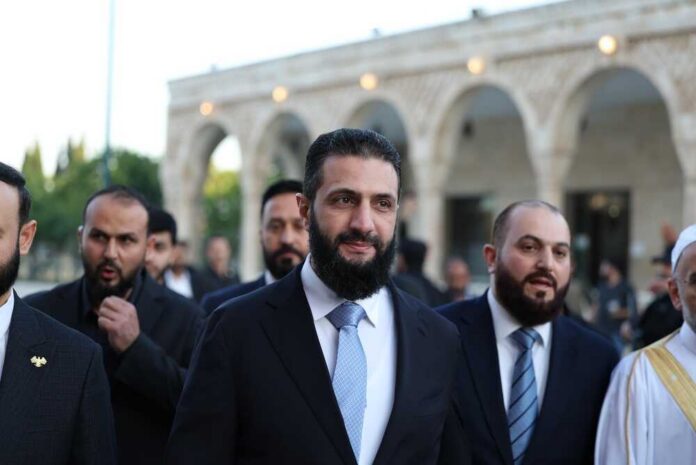
President Trump said Wednesday that he would remove Syria from the State Sponsors of Terrorism list after meeting Ahmed al-Sharaa in Ankara, Turkey. He praised al-Sharaa and said, “I think I will. Why wouldn’t I?” The comment matters because the terror designation has been one of the last major barriers blocking Syria from rejoining the global financial and diplomatic system.
Trump’s move fits a broader shift already underway in Washington. The State Department says the United States no longer maintains a comprehensive Syria sanctions program after Executive Order 14312 revoked the sanctions framework on June 30, 2025. The same official materials show Syria still sits on the State Sponsors of Terrorism list, so a separate legal step is still needed before the label disappears.
Why Supporters Say the Designation No Longer Fits
Backers of delisting argue that Syria under al-Sharaa is not the same state that helped fuel regional terror for decades. Lawfare said the new Syrian government is not the Assad regime by another name, and it pointed to al-Sharaa’s White House visit in November 2025 as the first by a Syrian head of state. Lawfare also said Syria joined the United States-led coalition against ISIS and now works on intelligence sharing, border security, and counterterrorism.
The legal argument also leans on the “fundamental change” pathway in United States law. OpenSyr says the president can remove a country from the list when leadership and policy have changed, support for terrorism has stopped, and future assurances are given. Lawfare said that route was used for Iraq in 2004 and could apply to Syria now. From a conservative view, a real regime break should matter more than stale labels if the facts have changed.
What Still Raises Questions for Skeptics
Even with the new government, critics say the record should be tight before any final decision. The Washington Institute said Syria’s delisting should depend on clear proof that terrorism support has ended and on written assurances that future support will not resume. Its analysis also noted that the executive order called for progress on deporting Palestinian terrorists, banning Palestinian terrorist groups, and helping prevent an Islamic State resurgence. Public proof of those steps has not been laid out in the materials provided.
🇺🇸🇸🇾 President Trump says he may remove Syria from the U.S. State Sponsors of Terrorism list — a move that could reshape Washington’s relationship with Damascus after decades of sanctions and isolation.
The decision is not final yet, but it would mark one of the biggest U.S.… pic.twitter.com/wgpoEm7iw7
— THE INFORMANT (@TheInformantUSA) July 8, 2026
That caution matters because Syria’s terror history is long and ugly. State Department records say the regime’s past support for armed groups, including Hezbollah, helped justify the original designation. The same history also explains why many Americans remain wary of fast normalization, even when the White House says the old Assad-era logic no longer fits. For readers who want limited government and serious national security, the key question is simple: has Syria truly changed, or only changed its face?
Congress Still Has a Role
The process is not finished just because Trump said he wants it done. The State Department told The Hill that there was no set timeline yet, and The National said Congress would still get a 45-day review period if the administration formally notifies it of removal. That means the fight now shifts from a presidential sound bite to the paper trail, where legal findings, assurances, and counterterrorism proof will matter most.
Bipartisan lawmakers have already urged removal, arguing that Syria has made major progress since Assad fell. That support gives Trump political cover, but it does not replace the legal record. If the administration wants this move to hold up, it will need to show that Syria has truly crossed the line from terror sponsor to counterterrorism partner. That is the standard, and it should be treated that way.
Sources:
redstate.com, washingtontimes.com, lawfaremedia.org, washingtoninstitute.org, state.gov, en.wikipedia.org, usnews.com, x.com, opensyr.com, 2009-2017.state.gov, mei.edu