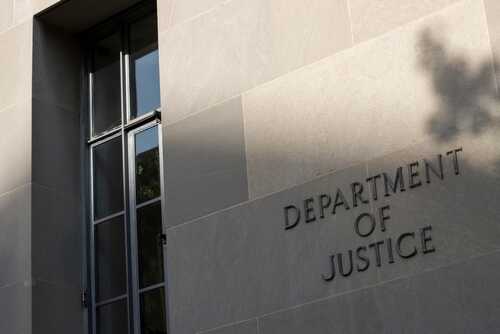
Two survivors of Jeffrey Epstein’s abuse have submitted new court filings accusing the Department of Justice of shielding wealthy and powerful associates in the handling of the Epstein case.
At a Glance
- Epstein survivors filed letters criticizing DOJ and Trump-era officials.
- Allegations center on redactions and withheld names in official files.
- Survivors argue justice for victims was sidelined for elite protection.
- Letters filed with the Southern District of New York federal court.
- Case highlights persistent calls for government transparency.
Survivor Letters Highlight Concerns
Two women identified as survivors of Jeffrey Epstein’s crimes submitted letters to a federal judge in New York this week, sharply criticizing the Department of Justice’s handling of his case. The letters, filed anonymously through legal counsel, allege that officials in the DOJ and Trump administration prioritized the reputations of wealthy individuals over the pursuit of justice for victims.
The survivors assert that critical documents—produced as part of ongoing litigation—were “unnecessarily redacted,” with the names of powerful figures left hidden from public view. They argue that these actions contributed to a climate in which victims were used as “pawns in political games” while those with resources or connections were insulated from meaningful scrutiny or prosecution.
Watch now: Anonymous Epstein Victim Accuses Trump’s DOJ of Shielding Elites · YouTube
Ongoing Debate Over Redactions
Attorneys representing the survivors have renewed demands for full disclosure of files related to Epstein’s associates, financial records, and communications with federal officials. They claim that the persistent redaction of names and details has slowed efforts to obtain closure and accountability, and allowed rumors and mistrust to persist around the case.
The filings also reference the so-called “Epstein list,” a sealed roster of individuals who interacted with Epstein over several decades. Legal experts note that while privacy and due process concerns exist, transparency advocates argue that blanket redactions undermine public trust in law enforcement and the courts.
The Justice Department has not issued a direct response to the latest letters. Court observers suggest that the growing volume of survivor-driven filings may pressure federal officials to re-examine their disclosure standards or consider releasing more complete records, especially in cases involving high-profile defendants.
Calls for Reform and Transparency
The survivors’ public challenge to federal authorities reflects broader criticism of how the U.S. justice system handles cases involving influential figures. Lawmakers, advocacy groups, and watchdog organizations have all voiced support for policies that would make future disclosures more comprehensive and limit the use of discretionary redactions.
Recent congressional subpoenas seeking unredacted DOJ files, and mounting media attention, have kept the case in the spotlight. Whether the survivors’ actions will result in new legal precedents or expanded disclosures remains uncertain, but their letters underscore the continued pursuit of transparency and accountability by those most directly affected by Epstein’s crimes.