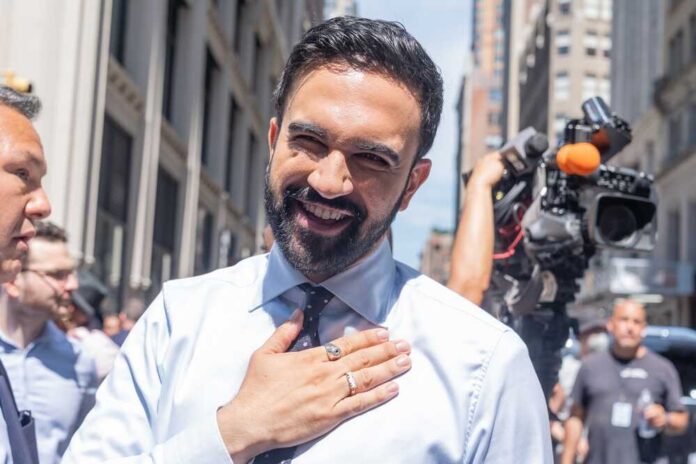
A self‑styled “pro‑bodega” mayor is using tens of millions in tax dollars to build rent‑free, tax‑free grocery stores that could wipe those same bodegas off the map.
Story Snapshot
- New York City Mayor Zohran Mamdani is spending about $70 million on five city-owned grocery stores, one per borough.
- These government-backed stores will pay no rent or property taxes, giving them a built-in price edge over neighborhood bodegas and markets.
- Critics say the plan looks less like “food access” and more like taxpayer-funded competition that could crush small, family-run shops.
- City leaders have not finished any real study on how this social experiment will impact local small businesses.
Mayor’s Grocery Plan: Big Promises, Bigger Bill
New York City Mayor Zohran Mamdani has pushed a plan to open five city-owned grocery stores, one in each borough, as a new “public option” for food shopping.[3] He claims these government stores will lower prices on basics like bread, milk, and eggs by cutting out profit and using city-owned land.[3] The city has already set aside roughly $70 million in taxpayer-funded capital for the build-out, with about $30 million slated just for a nine-thousand-square-foot store in East Harlem.[2][4]
Under the model laid out by Mamdani’s own office, the city will own the land and cover big-ticket costs like rent and construction, while a private operator will run the day-to-day store.[4] That operator will be required by contract to pass savings on a “core basket” of staple foods to shoppers, thanks to those taxpayer subsidies.[4] In plain terms, City Hall takes on the overhead and risk, and a handpicked partner gets a rent-free, tax-advantaged retail box in dense urban neighborhoods.
Unfair Edge Over Bodegas and Local Grocers
For the thousands of New York City bodegas and family groceries that actually pay rent and property taxes, this plan looks like a direct hit. Reports explain that Mamdani’s public stores will pay no rent and no property taxes, unlike the private shops around them.[2] His campaign materials brag that skipping those costs will allow much lower prices than profit-driven stores.[15] Bodega owners are warning they simply cannot match a city-backed rival that enjoys free land, no tax bill, and a construction budget most mom-and-pop owners could never dream of.[2]
In East Harlem, where one of the first public stores is planned at La Marqueta, critics point out the neighborhood is “hardly a food desert” and already has grocery options.[2] That means the new government store is not just filling a gap; it is stepping into an existing market with heavy subsidies that private competitors do not get.[2] Policy analysts warn that millions in public money will likely undercut taxpaying small businesses that kept their doors open through crime, inflation, and the pandemic, only to face City Hall as their newest rival.[2]
Soaring Costs and No Real Small-Business Study
The raw numbers should concern any taxpayer who cares about fiscal sanity. The East Harlem store alone is projected at around $30 million, working out to over three thousand dollars per square foot.[1][2] City materials and media reports put the total price tag for all five stores around seventy million dollars in capital costs, plus whatever ongoing operating subsidies may be needed to keep prices low.[1][4][6] Critics argue this is a huge public gamble at a time when the city already faces big budget pressures and debt.[2]
Despite the size of the spending, the Mamdani administration has not completed a real small-business impact study on how these stores will affect nearby bodegas and independent grocers.[13] One report notes that key budget officials admitted no such detailed analysis has been done on potential harm to local shop owners who do pay rent and property taxes.[13] In other words, City Hall is racing to pour money into a brand-new socialist-style retail system before doing the basic homework on who it might push out of business.[13]
Socialist “Public Option” or Sensible Food Policy?
Mamdani and his allies frame the grocery plan as a “public option for produce,” similar to how progressives talk about government health insurance.[4][19] He argues that private supermarkets chase profit and have failed to bring affordable food to certain neighborhoods, so city-run stores should step in.[4][19] Supporters claim the city can buy in bulk, centralize warehouses, and redirect existing subsidies currently given to private chains to instead grow this public network of stores.[4][15][19]
But the broader record on state-owned grocery stores is mixed, and often tied to socialist or heavily interventionist systems.[14] Analysts note that when government enters a retail market with tax-free land, no rent, and big upfront subsidies, it can push out the small players that give neighborhoods character.[2][15] For conservatives who care about free enterprise, local control, and the dignity of small business, Mamdani’s plan is not just another program—it is a warning sign of how far the left is willing to go in using government muscle to reshape everyday life in the marketplace.[2][7]
Sources:
[1] Web – The Mayor Who Loves Bodegas Is Building Taxpayer-Funded Competitors
[2] Web – Mamdani’s East Harlem grocery store site already got $25M in NYC …
[3] Web – How Mamdani’s Government-Backed Grocery Stores Will … – Vital City
[4] Web – Mamdani’s First City-Owned Grocery Store Is Planned for the South …
[6] Web – Mamdani’s Plan for Government-Run Grocery Stores: Will It Help?
[7] Web – Today’s cover: Staggering 8-figure sum NYC taxpayers will pay to …
[13] Web – Zohran Mamdani’s plan for city-run grocery stores draws pushback …
[14] Web – Mamdani’s $70M city-owned grocery store plan hasn’t been studied …
[15] Web – New York City Mayor Zohran Mamdani announced that East Harlem …
[19] Web – Public grocery store – Wikipedia