California is putting noncitizen teenagers inside our polling places, and the rules quietly allow it.
Story Snapshot
- California law lets 16-year‑old high school students work the polls, even if they are not voters.
- State rules explicitly welcome lawful permanent residents, meaning noncitizens, into poll worker roles.
- County programs across California mirror this policy and actively recruit teen noncitizen poll workers.
- No public evidence shows undocumented teens are allowed, but officials have not directly answered that concern.
How California Opened the Polls to Noncitizen Teen Workers
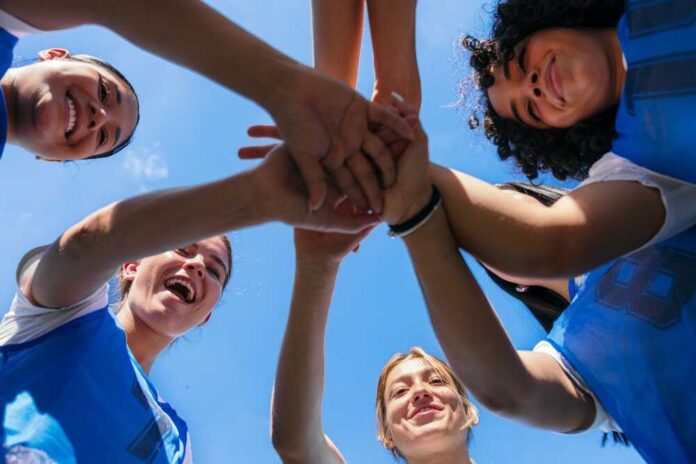
California lawmakers changed election law so high school students as young as sixteen can serve as poll workers on Election Day. These teenagers do not need to be registered voters, which removes one key safeguard most states use to tie poll work to citizenship. The California Secretary of State explains that county officials may assign up to five high school students per precinct, giving them hands-on roles at the heart of ballot handling and voter check-in. For busy urban counties, that can mean thousands of teenagers inside polling places each major election.
The same state guidance also says poll workers can be “legal permanent residents,” a term for green card holders who are not United States citizens. A fact sheet on the 2016 law Assembly Bill 554 confirms lawmakers purposely opened poll worker jobs to lawful permanent resident high school students. Put simply, California decided that the only barrier keeping these noncitizens from voting—lack of citizenship—should not keep them from helping run the election itself. That policy choice blurs the line between citizen voters and foreign nationals inside the process.
What County Programs Really Require — And What They Don’t Say
Local election offices have built student poll worker programs around this state framework, and their own rules show how far the door is open. La Jolla High School tells students they can work the polls if they are “a registered California voter or legal resident of the United States who would be eligible to vote except for your citizenship status.” It then clearly states high school students must be United States citizens or legal permanent residents, locking in the idea that noncitizen green card holders belong behind the check‑in table with adult workers.
Kern County, Placer County, Monterey County, and Los Angeles County all publish similar requirements for student election workers. Each program requires that teens be either a United States citizen or a legal permanent resident and at least sixteen years old, with a minimum grade point average and permission from parents and schools. These counties promote the programs as a way for students to “serve your community” and “help make democracy happen,” turning poll work into a civic internship open to noncitizens who live in the county and attend local schools. None of these county pages mention undocumented students, but none directly address public fears about them either.
Undocumented Teens, Election Integrity, and the Information Gap
So far, no official California document, county recruitment page, or Secretary of State guidance says undocumented teenagers are allowed to serve as poll workers. Every public rule on student poll workers uses clear language: United States citizen or lawful permanent resident, sometimes described as “Green Card holder.” That standard should exclude teens who are in the country illegally or on temporary status. At the same time, election offices have not released audits of recent poll worker rosters showing exactly how many teen workers were citizens versus noncitizens.
National research shows proven cases of noncitizen voting are extremely rare, but it also warns that sloppy data and loose controls can feed mistrust. California’s choice to place noncitizen teenagers in direct contact with ballots adds pressure on already strained confidence in the system, especially for conservative voters who watched years of chaos at the border. When state officials refuse to speak directly to claims about undocumented teen poll workers, they leave a dangerous gray zone. That silence invites rumors, fuels anger, and makes honest citizens wonder what else is happening in the shadows of their own elections.
Sources:
thegatewaypundit.com, ballotpedia.org, bipartisanpolicy.org, sos.ca.gov, fairelectionscenter.org, contracostavote.gov, sdvote.com, lavote.gov, ajsocal.org, americanimmigrationcouncil.org, brennancenter.org