
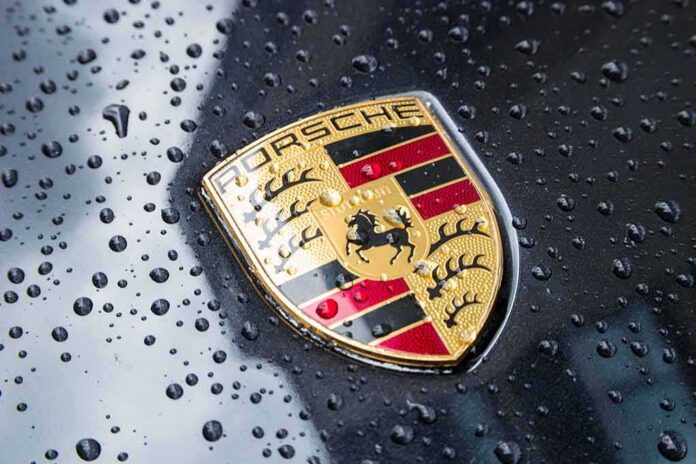
Porsche’s new “Sportwagenschmiede ’35” plan shifts the brand to “value over volume,” raises top-model prices about 20 percent, and trims variants to chase Ferrari-style exclusivity, all officially set out by the company.
Story Highlights
- Porsche set a “value over volume” strategy through 2035, pushing exclusivity and higher margins.
- Management targets about 20 percent fewer model variants and roughly 30 percent more sales per remaining variant.
- Top-range model prices are planned to rise by about 20 percent on average, tied to richer content and options.
- The company will expand its Sonderwunsch custom program and keep combustion, hybrid, and electric powertrains.
Porsche Confirms A Turn Toward Scarcity And Higher Prices
Porsche used its Capital Markets Day to unveil “Sportwagenschmiede ’35,” a strategy that puts “value over volume” at the center. The plan focuses on sharper sporting luxury, higher profitability, and more exclusivity across the lineup. The company said it will reduce model-variant complexity and refine its product ladder. It tied the shift to a clear goal: stronger margins through price discipline and premium content. This comes as global demand has grown uneven and competition has intensified in high-end segments.
Executives outlined specific targets to back the rhetoric. Porsche intends to cut model variants by about 20 percent, which it says should lift sales per remaining variant by about 30 percent over time. That change aims to lower complexity, focus engineering resources, and reduce costs. The company also plans to raise the average selling price of top models by about 20 percent. Management linked these gains to improved product substance and expanded personalization offerings that move buyers up the price ladder.
Ultra-Custom Builds And A Three-Drivetrain Bet
Porsche highlighted expanded ultra-luxury personalization through its Sonderwunsch program. Reporting on the event said the company is targeting a sixfold increase in these custom builds in the medium term. These one-off or small-batch projects add revenue and margin without mass production risk. At the same time, Porsche said it will invest in combustion engines, hybrids, and fully electric cars. Leaders framed product sharpening as the decisive lever to make the brand stronger again, not a turn away from any single drivetrain.
Product scope also moves upward. Porsche said it is examining vehicles above its current two-door sports cars and above the Cayenne. That points to a flagship tier with higher pricing power and more exclusive positioning. The company did not publish final mixes, volumes, or launch dates for these upper-layer products. However, the direction supports a lineup that leans harder into high-margin, limited-supply performance and luxury, while keeping the sports-car identity in focus across the range.
How This Mirrors A Proven Luxury Playbook
Luxury brands often grow by selling scarcity and customization, not by chasing mass volume. Analysts have described Ferrari’s model as “sell less than the market would take,” which supports strong prices and waitlists. Porsche’s plan echoes that approach, but from a different base. Unlike Ferrari, Porsche scaled with sport utility vehicles like the Cayenne and built a broader, higher-volume business. This reset looks designed to capture more pricing power while trimming complexity and defending brand edge.
Media coverage emphasized headline numbers that investors watch. Reports cited plans to raise prices on top-end sports cars by about 20 percent and to manage a leaner portfolio. One report also referenced job cuts as part of cost control. Those figures will shape how markets judge the plan in the near term. Management, meanwhile, stresses that product focus and exclusivity should lift margins and secure long-run desirability if demand for high-end cars holds steady.
What It Means For American Buyers And The Market
American buyers should expect fewer trim choices, longer option lists, and higher prices at the top. Dealers will likely channel customers into better-equipped cars with stronger residuals. The upside could be clearer model identities and faster product cycles. The risk is affordability drift for middle tiers as options expand and prices rise. Porsche’s pledge to keep combustion, hybrid, and electric choices gives buyers freedom, which aligns with a free-market approach that lets customers, not regulators, decide what to drive.
Sources:
youtube.com, newsroom.porsche.com, cnbctv18.com