

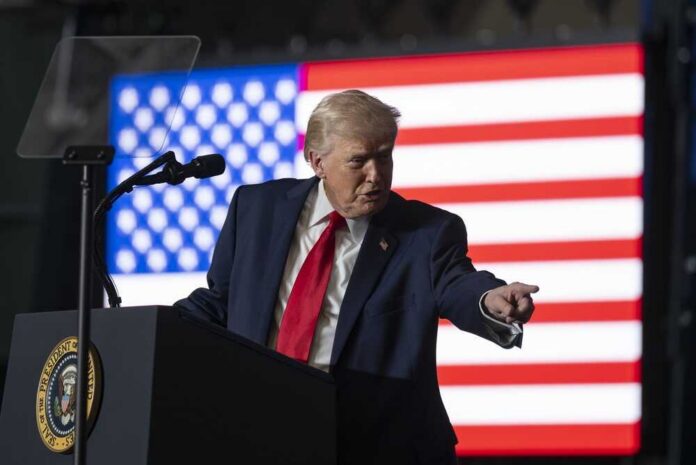
As Iran and Israel trade missiles, President Trump bluntly tells both sides to stop shooting now—putting American interests, energy prices, and regional stability on the line while Israel signals self-defense after Tehran’s launch. [3][12]
Story Highlights
- Israel says it struck military targets in western and central Iran after Iran fired missiles at Israel. [3][11]
- President Trump demanded both Israel and Iran halt fire “immediately,” aiming to contain escalation. [12]
- Israeli leaders framed their action as deterrence against an existential Iranian threat. [4]
- Live reporting confirms the exchange imperiled fragile ceasefire efforts and raised market fears. [3][6]
What Happened: Missiles, Retaliation, and a Rapidly Shifting Battlefield
CBS and other outlets reported Iran launched missiles at Israel, triggering Israeli strikes hours later against military targets in western and central Iran, according to Israel’s military and aligned live coverage. Reports described interceptions in Israel and no immediate civilian target confirmations in Iran within the cited dispatches. The sequence occurred around already fragile ceasefire efforts, with the tit-for-tat dynamic escalating pressure on all parties to define limits before miscalculation hardens into wider war. [3][7]
The Israel Defense Forces said the operation hit military targets and was tied directly to Tehran’s prior missile barrage. Times of Israel live updates recorded Israel striking after Iran fired a salvo at northern Israel. While details on site-level damage remain limited in immediate reporting, the public narrative stressed retaliation, not a broad bombing campaign, reinforcing a message of targeted deterrence rather than open-ended escalation—though that distinction can blur under the fog of live conflict. [3][11]
How Leaders Framed It: Self-Defense, Deterrence, and a Push to De-escalate
Israeli leaders publicly framed the strikes as necessary to remove an existential threat from Iran’s regime, echoing a long-standing doctrine of precluding adversaries from mass-producing long-range missiles or advancing nuclear capabilities. Those statements aim to justify immediate counterstrikes as lawful self-defense and practical deterrence. Simultaneously, President Trump urged both sides to stop shooting immediately, signaling Washington’s priority to prevent a broader regional war that could endanger Americans, allies, and the global economy. [4][12]
CBS live coverage underscored how the exchange jeopardized ceasefire efforts, placing diplomatic tracks under severe strain as rockets and jets replaced negotiators’ talking points. That tension reflects a common crisis pattern: battlefield events outpace diplomacy, while each capital pushes a narrative shaping public legitimacy. Israel emphasizes narrow military targeting and necessity; Iran claims escalation and political avoidability. The contest for perception matters because it sets the stage for sanctions, coalition-building, and the next round of choices. [3]
Why It Matters to Americans: Energy, Markets, and Deterrence Credibility
Market watchers reported oil jumping on strike headlines, a reminder that every launch reverberates at the gas pump, in retirement accounts, and across supply chains. When missiles fly, shipping insurance rises, energy risk premiums expand, and production plans wobble. For families already squeezed by years of inflationary pressure, renewed Middle East instability is not abstract—it is a price at the pump and a hit to savings. That is why rapid de-escalation, paired with credible deterrence, is central to protecting American prosperity. [6]
Israel said it struck military targets in western and central Iran. The strikes come after it intercepted missiles that Tehran fired, according to Israel.https://t.co/wNuLiy7iV1
— ABC 13 News – WSET (@ABC13News) June 8, 2026
Conservatives can back a two-track reality: Israel’s right to self-defense when Iran fires missiles, and America’s responsibility to keep conflict contained so our people are not dragged into another open-ended entanglement. The record so far shows live, incomplete data: independent verification of damage in Iran is limited; cabinet-level legal justifications are not public; and site-specific targeting details remain sparse. Even so, the documented trigger—Tehran’s missile attack—grounds Israel’s retaliation claim while diplomacy races to cap the fallout. [3][4][7]
Sources:
[3] Web – IDF says it expects several days of fighting against Iran; PM holds …
[4] Web – Live updates: Israel and Iran trade strikes, imperiling already …
[6] Web – Israel strikes Iran by June 30, 2026? – Polymarket
[7] YouTube – Oil Jumps After Israel Strikes Iran; AI Rally Cools
[11] Web – IDF confirms targets struck in western, central Iran
[12] Web – IDF says it struck military targets in western and central Iran …