
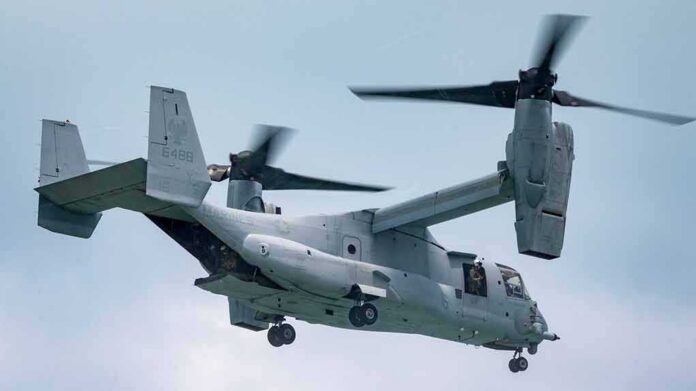
U.S. Central Command released new images of Marines refueling an MV-22 Osprey in the Middle East, underscoring steady American reach and readiness under President Trump’s watch.
Story Highlights
- CENTCOM shared photos of Marines refueling an MV-22 Osprey during a stop in the Middle East.
- DVIDS mirrored the imagery and dated the operation to August 1, 2026.
- Additional 2026 refueling photos show a sustained air presence in the theater.
- Officials did not disclose the exact site or unit, a common step to protect operations.
CENTCOM Posts New Osprey Refueling Imagery
U.S. Central Command said U.S. Marines refueled an MV-22 Osprey during a stop in the Middle East. The command posted images and the same caption on its official channel on August 29, 2026. The message confirmed current Marine aviation activity in the region and showed ground crews executing a routine, but vital, task. The post did not list the unit or mission. It focused on a simple fact: Marines kept the aircraft moving to meet tasks across a wide and tense area.
The Defense Visual Information Distribution Service mirrored the image set and provided a specific date. The DVIDS caption identified the scene as a Forward Arming and Refueling Point event in the U.S. Central area of responsibility on August 1, 2026. That match between the command’s message and the public imagery hub adds confidence to the timeline. It also aligns with normal Marine expeditionary aviation practice in austere and fast-moving settings across the region.
What The Images Signal About U.S. Posture
Central Command images across 2026 show steady tanker and fighter support in the same theater. One official photo package shows a KC-135 Stratotanker refueling fighters during an operation, signaling ongoing air sustainment. Another shows a KC-135 supporting F-35C aircraft in joint missions. Together, these releases point to a constant presence that keeps options open for quick action. They also show that support teams remain busy backing crews on long, complex legs.
Central Command’s own media caption describes deployed refuelers as enabling a constant presence across the area. That is a plain English way to say our aircraft can stay on station and respond when it counts. The role matters. Fuel is the link between strategy and action. Without gas at the right place and time, jets cannot deter, and tiltrotors cannot move Marines to where they are needed fast. This is logistics doing quiet work so operators can move first.
Why This Matters To Readers At Home
Marines and air crews keep forward bases and refueling points working so missions do not stall. An MV-22 can lift quickly, land in tight spaces, and cover long distances when supported by ground or aerial refueling. Past Marine reporting shows Ospreys crossing the region with tanker help during long flights. That mix of speed and reach helps commanders move people and gear without waiting for big runways or perfect weather. It is mobility built for a rough neighborhood.
Officials did not release the exact location, unit, or aircraft number in this case. That is common and smart. It protects the people on the ground and the mission they are doing. The lack of that detail does not change the fact that the refuel happened. It also does not change the clear message: American forces can move, land, refuel, and launch again inside a vast and contested area. That is how deterrence looks on an ordinary day.
The Policy Signal Under President Trump
The steady drumbeat of fuel and flight images supports a basic point. The United States is present and ready in the Middle East. That presence backs partners, counters threats, and keeps sea lanes and air routes open. It also shows taxpayers that the gear we bought is working as planned. Under President Trump, commanders have clear room to act fast and keep pressure where needed. The result is fewer surprises for our troops and fewer openings for our rivals.
Readers see one Osprey on a hot ramp and might ask what it proves. It proves what matters most day to day. Crews, fuel lines, and maintainers are in place and doing the job. Tankers keep flying. Fighters keep training. Tiltrotors keep moving. That is how you hold the line without a headline-grabbing crisis. It is also how you avoid bigger, costlier fights later. Prepared forces and working logistics save lives, time, and money when the call comes.
Sources:
x.com, centcom.mil, af.mil, 6abc.com