
A late software update left Westchester County ballot scanners rejecting valid votes on Election Day, forcing emergency paper handling across the county.
Story Snapshot
- New York’s elections board tied the failure to an incomplete programming update, not hardware.
- Scanners rejected ballots they could not recognize; officials said no miscounts occurred.
- Voters used paper ballots placed in secured emergency bags under bipartisan oversight.
- County leaders called the breakdown unacceptable and ordered an accountability review.
State Officials Identify Programming Mismatch, Not Broken Machines
New York’s elections board said a programming change after initial testing triggered the Westchester County scanner failures on Election Day. The update covered a contest in one municipality. Early voting and that municipality’s machines got the new files. Many other Election Day scanners did not. Those machines could not recognize ballots printed for Tuesday and rejected them. The board said this was a recognition problem, not miscounting. Officials reported no issues with ballot paper or scanner hardware.
The state emphasized that the affected scanners refused to accept ballots they could not read rather than record wrong totals. That point matters for public trust. It separates a setup mistake from a tabulation error. While scanners stopped taking ballots, voting did not stop. Paper ballots remained the record of voter intent. The state’s statement aimed to prevent rumors by stating what failed and what did not. It also clarified that ballot stock was not to blame.
How Voting Continued: Emergency Paper Procedures and Safeguards
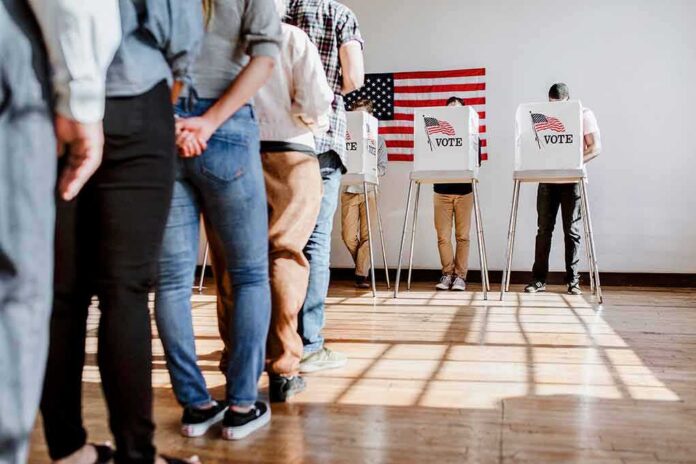
Poll sites shifted to emergency procedures as scanners failed to read ballots. Voters still filled out standard paper ballots. Workers placed completed ballots in marked emergency bags. The state said bipartisan teams guarded those bags. Later, officials would scan and count those ballots under set rules. Local reporting described orange emergency bags and site monitoring. This approach kept lines moving and preserved each vote. It relied on chain-of-custody steps that are routine and documented in elections.
State and county staff worked to deploy corrected election media to restore scanning. Reporting said officials aimed to get at least one working scanner in every polling location. That target reduced backlog and anxiety as the day went on. The countywide scope and timing still caused disruption. But the presence of a paper ballot for each voter limited the harm. Paper gave administrators a way to recover and reconcile results after polls closed.
Timeline Whiplash: Early Paper Theory Gave Way to Software Cause
County communications first suggested a problem with paper ballots, including talk of ballot thickness. Later, officials backed away from that idea. The state’s evening explanation pointed to a missed programming deployment instead. That shift created confusion on a sensitive day. The county executive called the situation unacceptable and promised a review to determine responsibility. That review, at the time, had not assigned fault to a person, vendor, or process. It signaled that leadership expected answers and fixes.
Published accounts tied the breakdown to a competitive congressional district, which raised the stakes. News coverage reported technicians rolling out corrected media and seeking at least one scanner per poll site. Those details matched the state’s technical account and the on-site response. The incident shows how one change in one place can ripple across a county. It also shows why strong change control, clear testing, and full deployment logs matter in any election office.
What Voters Should Know Going Forward
New York’s board stated the scanners rejected unreadable ballots and did not mis-tabulate votes. Voters used paper ballots that will be scanned and counted under established procedures. Still, clarity and speed matter on Election Day. Officials can strengthen trust by releasing the change tickets, deployment records, and reconciliation figures. Those documents would show which machines were updated, how emergency ballots moved, and how counts matched sign-in numbers. Transparent records turn assurances into proof.
Sources:
townhall.com, elections.ny.gov, westchestercountyny.gov, westchester.news12.com