
A former Facebook insider says Elon Musk shows steadier leadership than Mark Zuckerberg on speech and transparency, reviving the fight over who guards online debate.
Story Highlights
- Insider praise for Musk’s approach spotlights old Twitter moderation battles and free speech concerns.
- Twitter Files documented internal debates and government requests before Musk’s takeover.
- Meta cites large safety spending and oversight structures to defend its model.
- Researchers say platform data access limits make judging outcomes harder across the board.
Insider Claim Rekindles the Free Speech Versus Safety Debate
A reported former Facebook insider called Elon Musk more mature than Mark Zuckerberg, focusing on leadership under pressure and how platforms treat speech. The claim lands in a long policy fight over online rules. Twitter, before Musk, wrestled with tough calls on political content, health claims, and government requests. The Twitter Files later exposed parts of those talks and showed pushback inside the company on some requests, not simple rubber stamps on censorship.
Academic work on Twitter’s history shows moderation norms changed over time as leaders tried to balance pluralism, safety, and public pressure. The record describes policy shifts, system tweaks, and competing views of what counts as “objectionable.” That history sets the stage for how Musk framed his takeover. He tied it to free expression and transparency. Supporters point to that goal as a needed reset after years of politicized calls to restrict debate.
What the Twitter Files and Post-Takeover Changes Actually Show
The Twitter Files were selected internal documents shared with journalists in 2022 and 2023. They showed staff arguments about labeling, reach limits, and takedown scope, and they described contact with government offices on sensitive topics. Critics said the releases were curated and incomplete, but the material still captured how high-stakes calls shaped what users saw, especially around elections and health narratives. This record explains why many on the right distrust old moderation systems.
Musk cut layers of trust and safety groups after buying Twitter, later renamed X. Reports described deep layoffs and the end of the Trust and Safety Council, raising questions about enforcement capacity. Supporters said leaner teams would reduce bias and restore voice. Skeptics warned that fewer experts could mean more errors and confusion. Independent checks got harder because access for outside researchers also tightened, which limits clear before-and-after comparisons.
Meta’s Rebuttal: Big Spending, Global Teams, and Formal Oversight
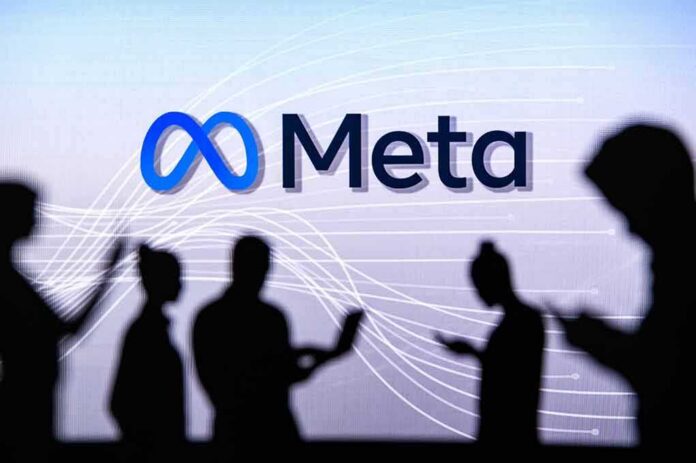
Meta answers charges of bias or neglect by pointing to scale and structure. The company says it has spent more than $20 billion on safety and security since 2016, and it expanded its global safety workforce to about 40,000 people. It says teams review content around the clock in more than 80 languages, using both people and technology to enforce rules. These figures aim to show that safety work is not an afterthought or a public relations line.
Meta also highlights process. The company says it has publicly answered every Oversight Board recommendation and agreed to implement or explore 80 percent of them. Leaders say the independent board now approves safety criteria for high-stakes artificial intelligence model releases and checks compliance before launches. The board’s role is designed to counter claims that all major calls rest on one executive’s personal views or political pressure.
The Hard Part: Measuring Outcomes When Data Access Shrinks
Researchers say both sides suffer from an “opacity problem.” After ownership and policy shifts, data access for outside audits narrowed, which makes it tough to measure real changes in hate speech, misinformation, or wrongful removals. One study notes that losing prior research tools and access weakens accountability and limits public understanding of what is actually happening on large platforms day to day. That gap fuels arguments on both sides without firm answers.
Conservatives see a core test: Do platforms protect open debate, or do they tilt the field with quiet rules? The insider’s praise of Musk tracks with a desire for fewer speech limits and more sunlight on government contacts. Meta counters with staff, spending, and boards. The path forward is simple to state and hard to do: publish clearer rules, disclose government requests, and restore real data access so citizens—not gatekeepers—can judge who defends free speech best.
Sources:
youtube.com, academic.oup.com, en.wikipedia.org, wired.com, openaccess.city.ac.uk, sec.gov, transparency.meta.com