
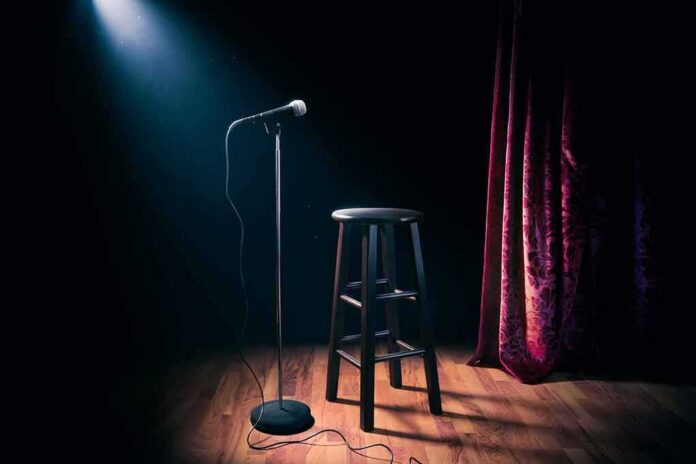
Charlamagne tha God condemned Dave Chappelle’s joke about feeling “better” after Charlie Kirk’s murder, drawing a bright moral line against cheering political violence while defending free speech rights.
Story Snapshot
- Charlamagne rejected jokes that normalize shootings, saying he would not wish that on his worst enemy.
- Video reports show Dave Chappelle told a Madison Square Garden crowd he felt “better” after Charlie Kirk was murdered.
- Erika Kirk called the joke “beyond disgusting” and urged Americans to reject celebration of political violence.
- The debate now centers on moral limits of jokes versus the legal protection of speech.
What Charlamagne Said and Why It Matters
Charlamagne tha God said he does not see humor in people “getting clapped,” and stressed that anyone can be shot over a disagreement. He stated that comedians have the freedom to make any joke, but he personally rejects talk that treats shootings as acceptable. He added he would not wish that on his worst enemy. His stance clearly separates legal free speech from moral judgment, which many Americans share when politics turns deadly.
Charlamagne’s framing hits a core point for families who fear rising rage. He did not call for bans or punishment over words. He asked for basic decency. That approach avoids a speech fight and instead asks artists to weigh the impact of joking about someone’s death. For readers who value life, law, and order, that line is simple: speech is free, but celebrating bloodshed is wrong. That is where debate should focus, not on censorship.
What Chappelle Reportedly Said On Stage
The New York Daily News reported that Dave Chappelle told the Madison Square Garden crowd, “ever since that guy Charlie Kirk got murdered … I feel better,” and admitted he “shouldn’t say this publicly”. The Hollywood Reporter likewise quoted him saying it is “scary being a public speaker,” and that he felt better after the killing, but that it was “just a feeling”. The available record shows no direct call for violence. It shows a reported expression of relief after a political murder.
Those words sparked swift outrage because they appear to treat a conservative leader’s death as a punchline. For many on the right, this is part of a wider pattern where left-leaning voices mock or dismiss attacks on conservatives. People remember past double standards. If a comic celebrated violence against a liberal figure, there would be wall-to-wall condemnation. Equal standards protect everyone. That is why this moment resonated across the country.
Erika Kirk’s Response and the Human Cost
Erika Kirk, Charlie’s widow, called the joke “beyond disgusting” and warned that political violence must never be tolerated, excused, or celebrated. Her message was direct and personal. Families live with loss long after the news cycle moves on. When a public figure turns that grief into a laugh line, it reopens wounds. Her rebuke reminded audiences that behind every headline is a spouse, a child, and a community who must carry the burden for life.
Her statement also pushed the debate back to first principles. In a free country, we argue, we vote, and we replace leaders at the ballot box. We do not cheer when a rival is shot. That standard protects left, right, and center. It also honors the rule of law that keeps civil life possible. Many readers who back strong policing, the Constitution, and the right to speak freely will still demand a clear moral boundary against celebrating assassination.
Free Speech Protections and Moral Boundaries
United States law protects a wide range of speech, even ugly jokes. Dave Chappelle has long defended free expression and has said he will not let public demands shape his art. Legal experts often note that approval of a violent act can be protected, while direct incitement is not. That legal shield does not make a joke wise, fair, or worthy. It only marks what the government cannot punish. Citizens, however, can judge what they hear.
VIDEO – ‘Any of Us Can Be Shot’: Charlamagne Rips Dave Chappelle over Charlie Kirk Joke @DaveChappelle @cthagod https://t.co/WRq2q8VXQX
— Grabien (@GrabienMedia) November 9, 2026
That is the heart of Charlamagne’s point. He affirmed freedom yet condemned the message. Conservatives can agree on both. We defend free speech because it guards all other rights. We also challenge speech that tears at civic peace or treats a man’s death as sport. That is not “cancel culture.” It is moral clarity. It tells our kids that life is sacred. It tells our rivals we reject political bloodlust, no matter who the target is.
Sources:
variety.com, abc27.com, independent.co.uk, au.variety.com