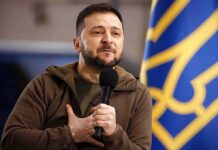

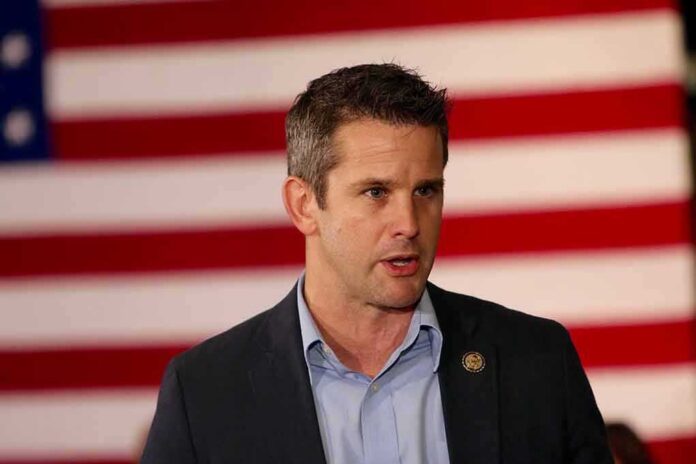
Adam Kinzinger claimed the U.S. military would refuse a Trump order to invade Canada, declaring it “a fact.”
Story Highlights
- Adam Kinzinger said troops would reject a Trump order to invade Canada, calling it a fact.
- Users on X pushed back, saying any order would hinge on defense needs and lawfulness.
- Military law requires refusal of manifestly unlawful orders, but presumes orders are lawful.
- Legal authority for force involves the President and Congress, with limits set by courts.
Kinzinger’s Hypothetical Sparks Civil–Military Debate
Adam Kinzinger posted that, “If in theory Trump gave an order to invade Canada, the military would refuse it. Thats a fact,” aiming to “trigger” supporters of President Trump on November 21, 2026. His claim used a sharp hypothetical that implied an obvious refusal by the ranks. The post drew fast pushback from users who argued the military’s duty depends on law and context, not political dislike or online taunts. Kinzinger did not provide legal support in the post.
Several responses on X challenged the absolute tone. One reply said the military would not refuse if the order addressed a real need to “protect and defend the United States”. Another called the post “a hypothetical,” not a settled fact. Others mocked the scenario, which only highlighted that the claim rested on a theoretical case, not a stated policy or plan. The exchange showed the gap between online rhetoric and the real rules service members follow.
What The Law Actually Requires Of Troops
Military orders are presumed lawful, and service members are expected to carry them out. The duty flips only when an order is manifestly unlawful, meaning a reasonable person would see it as clearly wrong on its face. Training and case law warn troops not to obey plainly illegal commands, while also warning that incorrect refusals risk mission failure and punishment. This balance aims to support good order and discipline while guarding against criminal acts or abuses.
American law divides war powers. The President is commander in chief, but Congress holds authority to declare war and fund the military. Courts can also check executive actions when they exceed lawful power. This means any large-scale use of force, especially outside self-defense, often requires congressional backing or a clear legal basis. The framework makes blanket predictions risky. Real decisions turn on facts, authorities in force, and the clarity of the order’s legality.
Lessons From Past Abuses And Why They Matter
Historical failures like the My Lai massacre and the Abu Ghraib scandal show the danger of blind obedience and muddy commands. Those events taught that soldiers must not carry out unlawful acts, and leaders must give clear, lawful orders backed by oversight. Legal scholarship and training stress that the duty to refuse applies to obvious illegality, not to every order that seems unwise, risky, or unpopular to some. Getting that line right protects both liberty and security.
For conservative readers, the takeaway is simple. America needs a disciplined military that follows the Constitution, respects the chain of command, and refuses only what is clearly illegal. That protects all of us from abuses and from political games. Sweeping claims that “the military would refuse” a President’s order, without facts or law, inflame division and blur the duty that every service member swears: to support and defend the Constitution, not any party or pundit.
Sources:
twitchy.com, x.com, apps.dtic.mil, journal.unpar.ac.id