
NATO’s top official warned that a separate European army could slow decisions long enough for Russia to strike before Europe even agrees who is in charge.
Story Highlights
- NATO Secretary General Mark Rutte cautioned that a new European army could delay crisis decisions.
- Rutte said duplicated command chains risk weeks of debate during a Russian attack.
- Analysts note the European Union lacks NATO’s unified command structure today.
- European proposals for “strategic autonomy” continue but often rely on NATO planning.
Rutte’s Warning: Duplication Means Delay When Seconds Matter
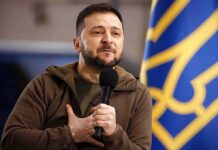
NATO Secretary General Mark Rutte told lawmakers in Berlin on November 23, 2026, that building a European army on top of NATO and national forces would slow decisions in a crisis. He argued leaders could spend two or three weeks deciding roles while Russia moves. He framed the risk with a blunt example: by the time Europe agrees, “Putin will be in Rotterdam.” His core point was speed. War punishes delays, and split chains of command cause delays.
Rutte’s remarks followed months of debate in Europe about “strategic autonomy.” He did not oppose stronger European forces. He opposed parallel structures that blur who commands what when missiles fly. He said adding a big European layer above national forces and NATO would spark turf fights. That would create confusion about which headquarters gives orders and who answers the call first. In his view, that is exactly how you lose precious time in a real attack.
Why NATO’s Command Works and the European Union Lacks It
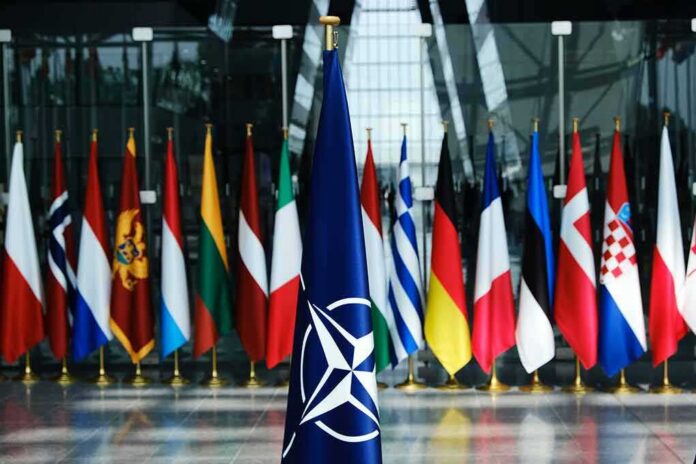
NATO has spent decades building one integrated command system that links thirty-two militaries. It has a standing war headquarters, tested procedures, and common planning. That lets allies act fast under one plan. The European Union does not have a similar command with the authority to run high-end combat across the continent. Building a second, rival system would split scarce people, money, and focus. That is why many warn against duplication.
NATO officials have stressed the same point for years. With tight budgets, every dollar and euro must add real capability, not more bureaucracy. Two playbooks mean two staffs, two headquarters, and two sets of radios and software to keep aligned. In peacetime, that is waste. In wartime, it is danger. The practical fix many experts support is deeper European investment that feeds into NATO planning, not around it. That model avoids turf wars and speeds action.
Europe’s Autonomy Push: Build Strength Without Breaking Unity
Several European studies urge stronger local industry, shared buying, and better air defense. They say Europe should cut outside dependence for munitions, sensors, and secure networks. Those aims can help the alliance if they reduce gaps and deliver units that plug into NATO’s plan. But none of that requires a standalone European chain of command that sits above or beside NATO and competes during a crisis. The key is capacity that aligns to one fight, one commander.
Some leaders argue a joint European approach could be faster than twenty-seven separate efforts. That idea has merit when it fixes procurement waste. Yet Rutte’s warning targeted something different: decision authority in war. New factories and common parts speed supply. A new command layer can slow orders. The test is simple. If a reform gets a missile launcher, a brigade, or an interceptor on station faster under NATO control, it helps. If it adds meetings, it hurts.
What This Means for America and the Alliance Under President Trump
President Trump has pressed Europe for real burden sharing, not new councils. Rutte’s stance lines up with that. Build more shells, jets, and ships. Train more crews. Fund air defense. But keep one command ladder so the first shot gets one clear answer. That reduces the risk to American troops and taxpayers. It also keeps Russia guessing, because a single plan with ready forces raises the cost of any move west.
NATO Secretary General Mark Rutte warned that creating a separate European army alongside national armed forces and NATO could complicate the response to a Russian attack.
In that scenario, he suggested, allies could spend two or three weeks agreeing on who would do what, while… pic.twitter.com/RJ9HpoggcM
— Межа (@mezha_net) November 23, 2026
For conservative readers, this debate is about common sense and sovereignty. Warfighters need clarity, not committees. A second European army would grow government layers, drain defense budgets, and invite confusion. NATO’s proven system already exists. Europe can get stronger by filling real gaps and drilling to NATO standards. That approach protects families, deters Moscow, and honors the alliance’s promise: if one is hit, all respond fast, under one flag and one plan.
Sources:
foxnews.com, mezha.net, cfr.org, nato.int