The U.S. Navy has fired on and seized an Iranian cargo vessel attempting to breach a naval blockade, marking the first direct military confrontation since the blockade’s implementation and casting serious doubt on fragile peace negotiations scheduled to begin within hours.
Story Snapshot
- USS Spruance disabled Iranian vessel TOUSKA with gunfire after six hours of warnings near the Strait of Hormuz
- First interception since U.S. imposed naval blockade on Iranian ports last week amid ongoing conflict
- Marines from 31st Marine Expeditionary Unit now searching seized vessel’s cargo while it remains in U.S. custody
- Incident occurred hours before scheduled U.S.-Iran peace talks in Pakistan, which Iran now refuses to attend
- Escalation threatens global energy security as standoff continues over critical oil transit chokepoint
Naval Blockade Enforcement Turns Violent
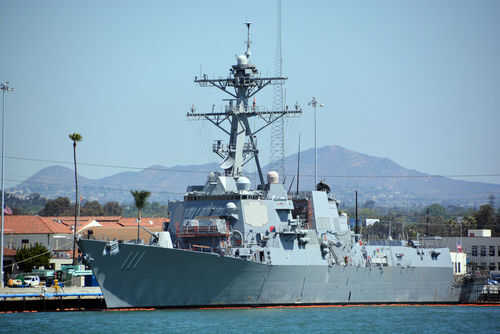
The USS Spruance intercepted the Iranian-flagged cargo ship TOUSKA in the Gulf of Oman near the Strait of Hormuz on Sunday after the vessel attempted to circumvent a U.S. naval blockade established just last week. According to U.S. Central Command, the destroyer issued repeated warnings over a six-hour period before ordering the Iranian crew to evacuate the engine room. When the vessel continued its attempt to breach the blockade, the Spruance fired multiple rounds directly into the engine room, disabling the ship and forcing it to stop. This marks the first time U.S. forces have taken such aggressive action since implementing the blockade of Iranian ports and coastal areas.
President Trump announced the seizure via social media, describing how U.S. forces stopped the ship “right in their tracks by blowing a hole in their engine room.” Marines from the 31st Marine Expeditionary Unit subsequently boarded the disabled vessel and took it into custody. The president added that military personnel are now searching the ship’s cargo, though no details about its contents have been released. CENTCOM characterized the operation as “deliberate, professional, and proportional,” framing it as necessary enforcement of the blockade against a U.S.-sanctioned Iranian vessel that refused to comply with lawful orders.
Timing Threatens Diplomatic Efforts
The interception occurred just hours before scheduled peace talks between the United States and Iran set to take place in Pakistan on Monday. Vice President JD Vance is reportedly among U.S. negotiators heading to the talks, which were intended to extend or formalize a ceasefire set to expire early next week. However, Iranian state media has announced that Iran will not attend the Pakistan negotiations, effectively scuttling the diplomatic effort before it begins. This development underscores the fragility of any peace process when both sides remain engaged in active military confrontations over control of one of the world’s most strategically vital waterways.
The Strait of Hormuz represents a critical chokepoint for global oil shipments, with Iran claiming naval control over the strait while the United States enforces its blockade. Reports from the prior weekend indicated Iranian ships had fired on an Indian vessel in the region, further heightening tensions. The current standoff has exacerbated an already severe global energy crisis, with shipping and oil markets facing unprecedented disruption. Iran’s refusal to participate in talks, combined with this first direct confrontation under the blockade, signals that neither side appears ready to back down from positions that risk broader escalation throughout the Middle East.
Escalation Risks and Strategic Implications
The seizure of the TOUSKA demonstrates that the U.S. blockade is not merely symbolic but will be enforced with military action when necessary. This raises immediate questions about potential Iranian retaliation and whether the fragile ceasefire can survive such direct confrontations. The incident also reveals the disconnect between Washington’s stated interest in diplomacy and its simultaneous willingness to employ force against vessels attempting to navigate international waters near Iranian territory. For Americans frustrated with endless Middle East conflicts, this escalation represents exactly the kind of entanglement many hoped to avoid, while simultaneously raising concerns about energy prices and global economic stability.
Long-term implications extend beyond the immediate military standoff. The blockade’s enforcement through direct fire on a civilian cargo vessel sets a precedent that could draw other nations into the conflict, particularly those dependent on Persian Gulf oil shipments. With both the U.S. and Iran now demonstrating unwillingness to compromise on Hormuz access, the risk of a wider regional war grows significantly. Americans on both left and right who believe government elites prioritize power projection over citizen welfare may see this incident as further evidence that Washington’s foreign policy serves interests beyond those of ordinary people struggling with inflation and economic uncertainty at home while military operations abroad continue to escalate.
Sources:
Trump Says US Has Intercepted, Taken Custody of Iranian-Flagged Cargo Ship – The Hans India