
A midnight call set off a rescue that pulled six hunted Afghan pilots and their families out of the Taliban’s grip and into safety, step by step across borders and bureaucracies.
Story Highlights
- Rep. Vicente Gonzalez says he helped coordinate the rescue with an Army Reserve officer and a Central Intelligence Agency operative.
- The rescued group moved from Afghanistan into Central Asia, then onward under U.S.-brokered arrangements.
- The mission fit a wider pattern of Afghan pilot evacuations through Uzbekistan or Tajikistan to the United Arab Emirates.
- The account underscores duty to allies who fought beside U.S. forces and were targeted after Kabul fell.
A Claimed Lifeline as Kabul Collapsed
Congressman Vicente Gonzalez released a detailed statement describing how he, Army Reserve Lieutenant Colonel Marvin “Lee” Chase, and a Central Intelligence Agency operative coordinated the escape of six Afghan pilots and their families after the Taliban seized Kabul. His office framed it as a direct, hands-on effort that hinged on rapid calls, routing decisions, and help from contacts in the region. The statement places the action during the fall of Kabul and the chaotic weeks that followed, when allies were most exposed.
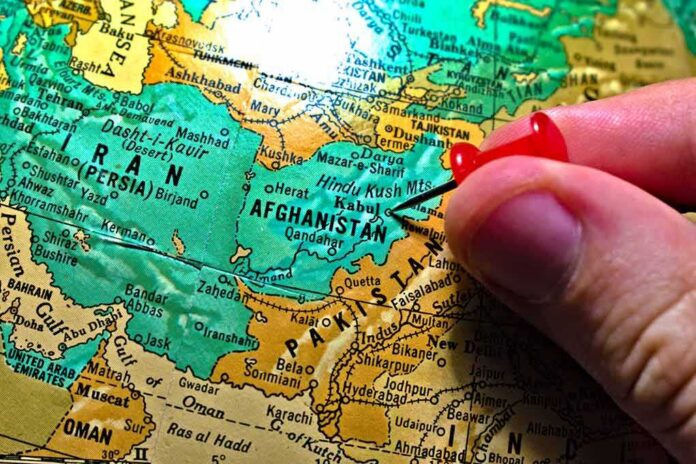
Gonzalez’s account situates the group’s movement along the same channels other Afghan pilots used. Many fled by air into neighboring states, then waited under pressure while the United States worked transit deals. Outlets reported U.S.-arranged transfers from Uzbekistan and Tajikistan to the United Arab Emirates for Afghan aircrews who faced Taliban tracking and threats. The six families in Gonzalez’s story followed that known corridor, moving out to Central Asia and then onward to safety.
Why Afghan Pilots Were Targeted
Afghan pilots were high on Taliban lists because they fought shoulder to shoulder with U.S. forces, often directing air support that blunted Taliban gains. Public pleas from former pilots described active pursuit and danger after the collapse. Gonzalez echoed that danger in remarks about allies being hunted and needing immediate evacuation. News reports at the time documented pilots fleeing on short notice, abandoning aircraft, and seeking asylum as the risks spiked day by day across the capital and provinces.
Major newsrooms chronicled a broader airlift web that matched these rescue claims. Reporters tracked more than one hundred forty Afghan Air Force members relocated from Tajikistan to the United Arab Emirates with U.S. assistance. Others documented transfers from Uzbekistan under U.S.-brokered arrangements despite Taliban demands to return personnel and aircraft. These facts confirm the route was real and active, even as individual rescues depended on ad hoc coordination and sensitive contacts.
From Crisis Pathways to Resettlement
Reuters and Voice of America reporting showed groups leaving Uzbekistan for the United Arab Emirates within weeks, while another large cohort moved from Tajikistan months later. Those movements often started with frantic flights out of Afghanistan, then slow processing in Central Asia, and, finally, U.S.-assisted onward travel. The congressional account about six pilots sits squarely inside that arc, with the added detail that a lawmaker, a reserve officer, and an intelligence contact helped steer a single family group.
Rescue of 6 Afghan Pilots From the Taliban Came Down to a Midnight Phone Call https://t.co/XPYYBwHgLl
— Deen Coldwell III (@deen_iii) August 28, 2026
The lesson is simple and still urgent. When Washington asks partners to fight beside our troops, it must keep faith when danger comes. Afghan pilots risked their lives for American missions and values. Their rescue is not only a human win; it is a message that the United States, under President Trump, continues to stand by allies who bled with us. That stance protects America’s word, deters enemies, and honors those who fought for freedom against brutal rule.
Sources:
military.com, gonzalez.house.gov, politiquote.gigafact.org, abcnews.com, cnn.com