
A deadly flash flood in Grand Canyon National Park killed at least two people and left about a dozen more unaccounted for, triggering evacuations and urgent rescue flights, officials said.
Story Highlights
- Park Service confirms two deaths and ongoing searches after sudden flooding
- About 14–15 people remain missing or unaccounted for as crews work the inner canyon
- Dozens of hikers were airlifted from Bright Angel Canyon and Phantom Ranch areas
- Monsoon storms and tight canyon walls turned runoff into a fast, debris‑filled surge
Flash Flood Slams Inner Canyon Trails and Camp Areas
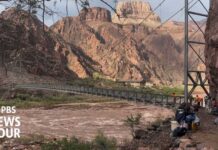
National Park Service leaders said fast-rising water hit Bright Angel Canyon and the Phantom Ranch area on Saturday afternoon, sweeping away footbridges and pushing debris into the Colorado River. Rangers reported two confirmed deaths as of Monday while search teams continued to account for about a dozen more people in the backcountry. Officials evacuated hikers by helicopter from damaged corridors where trails were washed out and communications were limited.
Park crews described a sudden wall of water that surged through tight slots with little warning. The force undercut banks, moved large boulders, and scattered equipment. Rangers focused on known choke points along Bright Angel Creek where hikers concentrate. Flights ferried the injured and stranded to safer ground as weather windows allowed. Officials warned that counts of the missing can shift as hikers check in from remote routes or reach the rim on their own power.
Casualty Counts and Rescue Totals Continue to Evolve
Initial updates listed one death and roughly 15 missing or unaccounted for. By Monday, the Park Service confirmed two bodies had been recovered, while the tally of unaccounted hikers hovered near the same range as crews expanded searches. National and local outlets reported dozens rescued by helicopter from inner canyon zones where water erased crossings and cut off exits. Those figures reflect standard disaster accounting as teams reconcile permits, camp logs, and walk-in backcountry travel.
Authorities asked anyone who knew of hikers in the Bright Angel Creek corridor on August 29 to contact investigators, a step meant to close the gap between permit holders and off-itinerary travelers. Park managers said people listed as “unaccounted for” are not all confirmed missing; some may be moving slowly on alternative routes or sheltering in place. That process often explains why flood headlines cite different numbers in the first 48 hours after an event.
Why the Canyon Is So Vulnerable to Sudden Floods
Summer monsoon storms can dump heavy rain on small drainages that feed the inner canyon. Steep walls funnel water into narrow channels where there is little room to escape. United States Geological Survey research notes that debris flows in the Grand Canyon are often triggered when rainfall rates exceed about one inch per hour, with enough total rainfall to loosen slopes. Those conditions can turn a passing storm into a dangerous flood pulse in minutes.
Two people have died, and about 15 others remain missing after major flash floods swept through parts of Grand Canyon National Park over the weekend.https://t.co/mewT6yuOmn#DavidGregory #DiyaTVUSA #GabeBergemann #JustinJohndrow
— Diya TV (@DiyaTV) September 2, 2026
Trails that cross creeks are especially at risk when bridges fail or get buried in debris. Popular areas like Phantom Ranch sit near key junctions where runoff converges. Rangers urge hikers to carry maps, check forecasts, and expect no cell service. Even skilled hikers can be caught when storms hit upstream, far from clear skies at their location. The best defense is situational awareness, conservative route choices, and heeding closures after heavy rain.
What Authorities and Families Need Right Now
Park officials are prioritizing life safety, accountability, and restoring access to core corridors. Helicopter crews, rangers, and medics are working long operations with changing weather. Families seeking information should rely on official Park Service channels and local emergency offices rather than rumors. Clear tips about who was in the canyon and when can speed reunions and help narrow search grids. Communities near the park are also coordinating lodging and transport for evacuees.
Many readers ask what they can do. First, respect closures so crews can work without interference. Second, if you had plans in the inner canyon this week, contact the park to adjust permits and free up search capacity. Third, support local volunteer groups that aid search teams and displaced hikers. This is a time to back the responders, protect access to our treasured lands, and demand smart maintenance of trails and bridges that serve millions every year.
Sources:
reuters.com, nytimes.com, cnn.com