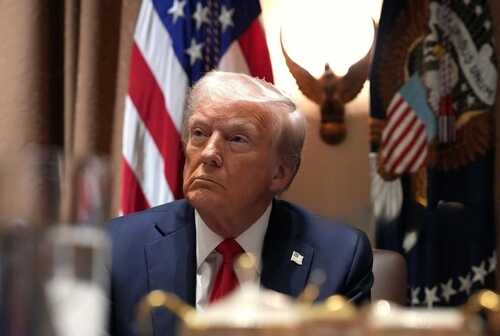
A potential military intervention in Iran by President Trump has intensified the debate, highlighting concerns over America’s foreign policy direction. The decision to weigh military options comes in response to the violent crackdown on Iranian protesters, raising questions about the effectiveness of such action and the potential for a broader conflict.
Story Highlights
- President Trump considers military options against Iran amid escalating protests.
- Iran threatens U.S. targets in response to Trump’s support for protesters.
- The situation emphasizes the ongoing struggle for freedom in Iran.
- Critics question the effectiveness of military intervention in achieving peace.
Trump’s Consideration of Military Action
President Donald Trump is weighing the possibility of military intervention in Iran, as reported by CNN on January 11, 2026. The decision comes in response to the violent crackdown on Iranian protesters, with at least 78 deaths reported by a U.S.-based human rights group. Trump’s statements on social media have expressed strong support for the protesters, asserting that the U.S. stands ready to help and warning Iran of severe consequences if its forces continue to kill civilians.
The situation is reminiscent of previous U.S.-Iran tensions, but this time the focus is on supporting civilian protesters rather than targeting nuclear sites. Trump has been briefed on potential military options, targeting regime leadership nodes or military installations. This approach highlights the U.S.’s intention to back the Iranian people’s quest for freedom, though it risks escalating into a broader conflict.
President Donald Trump said he's considering military options in Iran and following through on his threat to attack the Iranian regime after anti-government protests in the country have turned increasingly deadly. https://t.co/ECtNjXRBRW
— USA TODAY (@USATODAY) January 13, 2026
Iran’s Threats and U.S. Response
In response to Trump’s support for the protesters, Iran’s parliament speaker has issued threats against U.S. military and shipping centers. The regime’s survival instincts have been triggered, leading to a crackdown on protests and increased threats towards the U.S. This dynamic underscores the complex power relationships at play, with the U.S. holding military superiority but potentially unifying Iranians against an external threat.
Critics, including Sen. Mark Warner, have raised questions about the coherence of Trump’s foreign policy. Warner argues that the threats may be more about personal vendetta than a strategic plan, cautioning against actions that could inadvertently strengthen the Iranian regime’s position by shifting focus from internal discontent to anti-U.S. sentiment.
Potential Implications of Military Intervention
The possibility of U.S. military strikes in Iran carries significant implications. In the short term, it could shift attention from the regime’s abuses to a rally against perceived external aggression, potentially increasing protester casualties. In the long term, the intervention might escalate into a broader conflict, altering the dynamics in the Middle East and testing Trump’s pledge to avoid foreign wars.
Economic impacts could include disruptions to shipping lanes, leading to spikes in oil prices, reminiscent of past U.S.-Iran confrontations. As the situation unfolds, the world watches closely, considering the broader implications for regional stability and U.S. foreign policy.
Watch the report: Trump briefed on military options for Iran as protests continue, sources say
Sources:
UPI Article on Iranian Crackdown and Trump Military Options
Iran, US at possible precipice of renewed conflict as protests continue
Trump weighs response to Iran crackdown, Tehran says communication open with US | Reuters
What a U.S. intervention in Iran could look like as Trump weighs options