
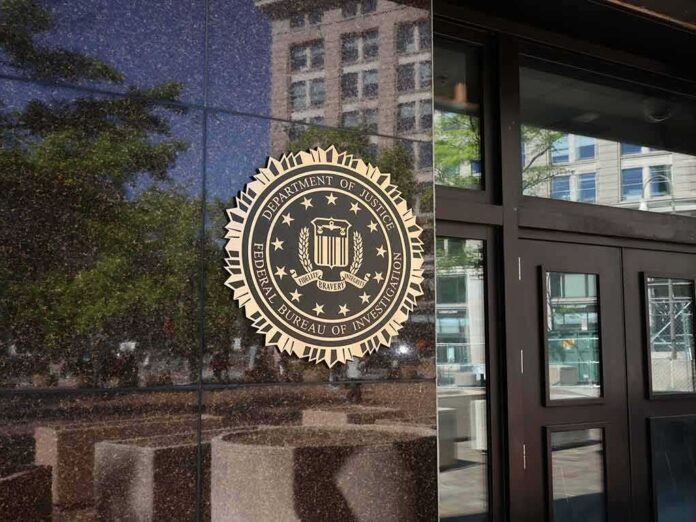
New FBI records show a defense contractor told agents that two powerful members of Congress discussed big donations alongside help with a $10 million federal contract.
Story Highlights
- FBI records cite a contractor’s claim that Senator Lindsey Graham linked help on a $10 million contract to a six-figure donation.
- Representative James Clyburn allegedly asked for the same six-figure amount after hearing about the Graham pledge, per the same source.
- Campaign filings show tens of thousands tied to the contractor flowed to Clyburn around the reported meeting window.
- Agents treated the matter as an active public-corruption lead before the investigative team was later dispersed.
What FBI Records And Reporting Say Happened
ProPublica reported that former Navatek chief Martin Kao told Federal Bureau of Investigation (FBI) agents he met Senator Lindsey Graham in March 2020 and discussed steering a $10 million government contract while Graham asked for a $100,000 campaign contribution. The account described a 45-minute steakhouse meeting with two Navatek executives and a lobbyist. The same reporting states Kao admitted his business model was bribing officials to land federal work, which placed his statements in a corruption context.
ProPublica further reported that Kao told agents Representative James Clyburn asked how much he planned to give Graham and then requested the same amount. The outlet said investigators found about $20,000 in donations tied to Kao and his family to Clyburn within days of the reported meal, plus a related $10,000 to the University of South Carolina. The reporting said agents treated interactions with Graham, Clyburn, and Representative Joe Wilson as active leads, while two Navatek figures were formal subjects.
What Is Alleged Versus What Is Proven
The reported allegations come mainly from Kao, who is a convicted felon and told investigators he bribed public officials, which both adds insider detail and raises credibility concerns. No lawmaker has been charged, and the available reporting does not show either Graham or Clyburn was formally designated a subject. The cited stories do not present a final award document or written agreement that ties donations to a specific official act by either lawmaker.
Campaign contributions often buy access, but the law draws a line at a deal for an official act. Courts have held that bribery involving campaign contributions requires evidence of an agreement linking the money to a concrete action, though intent can be inferred from conduct in some cases. That distinction matters here because the reports describe meetings, donation requests, and a prospective $10 million contract, but do not publish a direct written quid pro quo.
Why This Matters To Taxpayers And Accountability
Federal contracts come from taxpayer dollars, and any pay-to-play scheme would betray the public trust. The ProPublica account says the FBI pursued public-corruption leads around these meetings and contributions before the team’s work stalled after personnel changes, leaving key questions unresolved in the public record. That gap denies citizens a clear answer on whether political insiders tried to trade campaign cash for federal favors, a practice that undermines equal treatment and honest services.
Conservative readers know this pattern all too well: big donors seek special access, and everyday Americans pay the bill. The legal bar for bribery is high for good reason, but Congress still owes the public transparency. Releasing full interview notes and investigative memos, along with calendars, emails, and procurement files, would let voters see what happened. Clear sunlight protects the Constitution’s promise of equal justice and keeps federal power in check.
What To Watch Next
Watch for formal requests to the Department of Justice and the FBI for complete investigative records tied to Navatek, Kao, and contacts with congressional offices. Look for Navy procurement documents that show whether a South Carolina project tied to Navatek advanced after the March 2020 meeting. Review Federal Election Commission filings, donor bank records, and any disgorgement or refunds. These records can show whether money moved in tandem with official help, or whether events were parallel but not linked.
Legal Frame: Access Versus Corruption
The Supreme Court has said that bribery tied to campaign contributions requires proof of a quid pro quo, but intent may be inferred from conduct in some contexts. The line is this: access or goodwill is politics; an agreement to act for money is a crime. The reporting places the alleged asks and contributions close in time to contract talk, which raises red flags. The public deserves a full accounting so honest lawmakers are cleared and bad actors, if any, are exposed.
Sources:
propublica.org, x.com, mediaite.com