
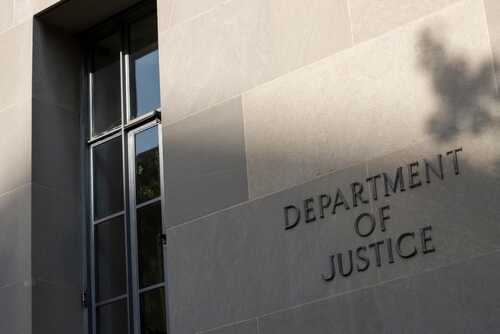
Director of National Intelligence Tulsi Gabbard’s allegations prompted the Department of Justice to form a strike force to examine claims of Obama-era manipulation of the Russia probe narrative—escalating political tension and legal scrutiny.
At a Glance
- The Department of Justice created a special strike force to assess whether intelligence officials from the Obama administration improperly influenced the 2016 Russia investigation
- The move followed Gabbard’s public claim of a “treasonous conspiracy” by former officials responsible for intelligence judgments about the Trump‑Russia collusion narrative
- Two senior GOP senators have demanded a special counsel appointment, warning of unchecked presidential immunity blocking accountability
- Critics warn that Gabbard’s revelations risk politicizing intelligence and undermining established bipartisan findings
- The intelligence community affirmed that while Russia interfered in the 2016 election, no link to the outcome has ever been confirmed
Justice Department Opens High‑Stakes Inquiry
Acting on Gabbard’s unprecedented allegations, Attorney General Pam Bondi authorized the creation of a strike force tasked with reviewing declassified documents and examining whether Obama-era national security officials—including former CIA Director John Brennan and ex‑FBI Director James Comey—engaged in misleading or manipulated intelligence reporting. The panel will evaluate Gabbard’s claims of politicized decision-making and explore whether referrals are warranted.
Watch a report: DOJ Launches Strike Force to Probe Obama‑Era Officials · YouTube
Partisan Fallout And Broader Implications
Republican leadership—including Senators Lindsey Graham and John Cornyn—has urged appointment of a special counsel to extend the investigation, citing concerns over executive overreach and lack of accountability under presidential immunity. Supporters view the strike force as a bold step toward transparency.
Meanwhile, critics argue international intelligence confidence is at risk, concerned the action undermines prior bipartisan conclusions that Russia sought to influence the 2016 election to support Trump, though without altering vote outcomes. The episode adds to ongoing Republican framing of Russiagate as largely politicized and flawed from inception.
Looking ahead, the DOJ’s handling of the inquiry—its scope, prosecutorial decisions, and public framing—may set precedent for congressional oversight of the intelligence apparatus and shape electoral narratives in the run-up to 2026.