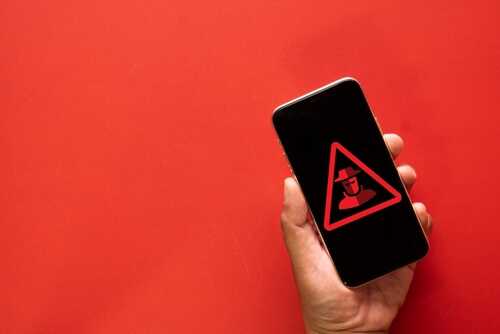
Brokewell malware, spread through Facebook ads, allows hackers to hijack Android phones and loot banking data in real time.
At a Glance
- Brokewell malware spreads via fake apps advertised on Facebook.
- Malware enables full remote control of infected Android devices.
- Targets banking apps using overlays and screen recording.
- Attackers can bypass two-factor authentication and biometrics.
- Frequent updates make Brokewell hard to detect or stop.
Facebook Ads Turned Weaponized
Hackers now use Facebook’s ad system to push malware directly onto phones. Brokewell disguises itself as legit apps, marketed through polished social media promotions. Users download what looks like harmless software. It isn’t. Once installed, Brokewell activates surveillance tools and establishes backdoor control.
Watch now: Brokewell malware walkthrough and threat analysis
Have you seen these Facebook Ads? This Android Malware Is Spreading Through Facebook Ads https://t.co/r2KpObJutH pic.twitter.com/v8WSzCN6gF
— Angela Jolley CFP®, CKA® (Formerly Angela Giboney) (@AngAFGFinancial) September 12, 2025
It doesn’t just spy—it acts. Brokewell simulates screen taps and keystrokes, enabling attackers to operate infected phones remotely. That means hackers can log in, navigate, and transact—all through the victim’s device.
Banks Are Now Open Season
Brokewell focuses its attack on financial platforms. It overlays fake login screens on real banking apps to steal credentials.
Once inside, the malware watches everything—screen, audio, and gestures—capturing data with surgical precision. By mimicking user behavior, it circumvents security protocols like biometrics or two-factor authentication.
This allows real-time fraud. Attackers don’t just collect passwords—they execute transactions and move money using the compromised device’s own trusted environment.
Antivirus Tools Outpaced
The malware’s code evolves constantly. Security firms report a spike in Brokewell variants since early 2024.
Each iteration adds new stealth techniques. Some break signature detection. Others encrypt communications or mask execution paths. Standard antivirus solutions are failing to keep up.
Security teams admit they can’t match the development pace. As one patch lands, a new version of Brokewell rolls out. Users are left exposed to unseen attack vectors.
Social Media + Malware = New Era
This attack represents a tactical shift. Traditional phishing campaigns relied on email or shady websites. Brokewell uses trusted social platforms.
By exploiting Facebook ads, hackers gain credibility and reach. The malware hits victims before security firms even see a sample. This tactic creates a seamless deception loop: ad → app → infection → data theft.
Android users face a rising tide. Until Facebook closes ad loopholes and security vendors catch up, the risk remains live—and lethal.
Sources
PCrisk
CMIT Solutions
SecurityWeek
PolySwarm