
North Korea locked in a mutual-defense pact with Russia and then sent thousands of troops to support Moscow, reshaping the balance in Asia and pressuring U.S. allies.
Story Snapshot
- Kim Jong Un and Vladimir Putin signed a treaty requiring rapid mutual military aid if either is invaded.
- U.S. congressional reporting says North Korea deployed over 10,000 troops to Russia tied to the Ukraine war.
- Reuters linked the pact to large North Korean ammunition shipments and artillery systems to Russia.
- North Korea told the United Nations the treaty follows international law and will be honored.
Treaty Elevates Ties to Alliance-Like Commitments
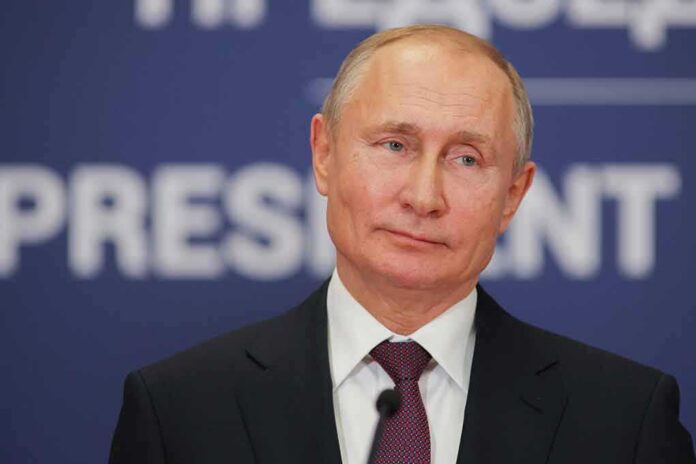
Kim Jong Un and Vladimir Putin signed the Treaty on Comprehensive Strategic Partnership on June 19, 2024. The text requires each side to provide military and other assistance “without delay” if the other is invaded. North Korea released the terms soon after Putin’s visit. Reuters reported Kim described the deal as raising the relationship to something like an alliance. The treaty was ratified and entered into force in December 2024, formalizing swift defense obligations.
This pact moves beyond slogans. It gives North Korea a guarantee from a nuclear power while Russia gains a partner willing to act. Reuters linked the arrangement to thousands of containers of North Korean ammunition, plus mobile howitzers and rocket launchers. Neither government publicly confirmed the cargo, but the reporting ties shipments to the period around the agreement. The timing suggests a practical military pipeline alongside the diplomatic upgrade, not just ceremony or talk.
Troop Deployment Signals Concrete Military Backing
The United States Congressional Research Service reported that North Korea deployed more than 10,000 troops to Russia. U.S. congressional testimony placed the figure at up to 11,000. The reporting says North Korean forces took part in combat around March 2025, helping Russian units push Ukrainian forces out of Kursk. Those details show the partnership can deliver manpower on the ground. That reality gives Pyongyang leverage and experience, not only headlines.
North Korea has framed its cooperation as lawful and sovereign. At the United Nations, North Korea said the treaty aligns with the United Nations Charter and international law. It pledged to meet obligations that protect the fundamental interests of both countries. That statement sets a clear message to critics and to U.S. allies. Pyongyang is telling the world its choices are strategic, legal, and not open to outside pressure or sanctions scare tactics.
Regional Ripples and What It Means for America and Allies
South Korea marked the treaty’s one-year point by urging North Korea and Russia to stop what it called illegal military cooperation. Seoul sees violations of United Nations Security Council resolutions and growing risks near its borders. The warning shows allies feel the pressure from this new military reality. It also shows why deterrence in Northeast Asia matters to U.S. security and to American families with service members in the Pacific.
United States congressional analysis notes that Russia has delivered North Korea financial benefits, diplomatic help, and defense cooperation. That assessment fits a broader pattern where sanctioned states trade what they have most. Russia needs munitions, support, and diplomatic cover. North Korea needs money, technology, fuel, and a shield. The deal gives both sides gains at low cost to them but raises risk for U.S. partners who face more artillery, more rockets, and more troops across the region.
Why Conservative Readers Should Care
American taxpayers have watched years of confused foreign policy from globalist planners. Now, North Korea has an alliance-like pledge with Russia and has put boots on foreign soil to back it up. That creates a harder problem for the United States and allies who prize strength, clear lines, and peace through power. The facts show a military pipeline and a troop presence. Those are real capabilities that demand steady U.S. resolve, strong deterrence, and smart use of our limited resources.
President Trump’s team faces a tight map. The United States must support allies without writing blank checks or drifting into open-ended conflicts. Focused pressure on illicit finance, maritime smuggling, and weapons flows can raise costs on this axis. Strong missile defense, joint drills, and energy independence can keep our forces supplied and our families secure. Clear red lines, not vague talk, tell adversaries that attacks will fail and freedom will hold.
What to Watch Next
Watch for formal steps that implement the treaty, such as logistics agreements, training rotations, or technology transfers. Look for changes in shipments tracked by commercial satellites and customs data. Monitor whether North Korea seeks more fuel, food, or currency from Russia after sending troops. Track allied responses, including sanctions enforcement and missile-defense upgrades. These signals will show if the partnership stays symbolic or grows into a deeper military machine that challenges U.S. interests.
Sources:
19fortyfive.com, reuters.com, en.wikipedia.org, hrf.org, congress.gov