

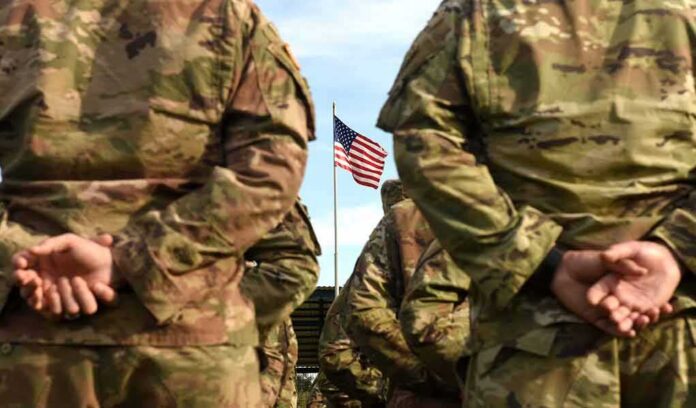
America’s Europe-focused Army missile unit has fired a Tomahawk cruise missile from the new Typhon launcher for the first time, proving real reach on land.
Story Highlights
- 3rd Battalion, 12th Field Artillery Regiment launched a Tomahawk from the Typhon system at China Lake.
- The live fire marks the unit’s first Tomahawk shot and a key step toward theater deterrence.
- Training with Navy teams and industry set crews to operate mid-range strikes from land.
- The test comes as post-INF realities push ground-based missiles back into Europe planning.
What Happened: First Tomahawk Launch From Army’s Typhon Unit
Soldiers from the United States Army’s 3rd Battalion, 12th Field Artillery Regiment launched a Tomahawk Land Attack Missile from the Typhon Mid-Range Capability system on September 28, 2026, at Naval Air Weapons Station China Lake in California. Reports describe the event as the battalion’s first Tomahawk firing and a major training milestone for the Europe-aligned unit. The battery executed the live fire after weeks of range work and rehearsals with Navy personnel and industry field teams that support the launcher and missile systems.
Army-facing outlets and defense trackers confirmed the launch and noted the unit’s alignment to Multi-Domain Command Europe, which is designed to link sensors and shooters across services and domains. The Typhon system fires Navy-standard Tomahawk cruise missiles modified for ground launch and can also employ the Standard Missile-6, giving commanders flexible options against land and maritime targets. The live fire showed crews can receive, set up, and launch a long-range strike package under controlled test conditions.
Why It Matters: Deterrence From Land After The INF Era
The 1987 Intermediate-Range Nuclear Forces Treaty removed all United States and Soviet ground-launched missiles between 500 and 5,500 kilometers. That ban held for decades, shaping Europe’s security map. After the treaty’s collapse, planners began to restore ground-based strike options to close gaps and deter aggression. Typhon is part of that shift. It brings sea-proven missiles onto mobile Army launchers, which can disperse, hide, and operate with land forces. That mix raises risks for any foe that threatens allies or American troops.
Policy notes from the Congressional Research Service state that the Army’s Mid-Range Capability leverages existing Navy missiles, rather than waiting years for a new design. That choice cuts schedule risk and speeds training. It also helps logistics, since Tomahawk stocks and support know-how are already in the force. For Europe, where distance and access matter, a road-mobile launcher that can fire a thousand-mile-class cruise missile creates pressure on hostile assets without needing a carrier nearby.
What This Test Proves—and What Comes Next
A single live launch shows crews can conduct the sequence safely and on time. It also checks how Army, Navy, and industry teams mesh under real conditions. That is the right next step for a unit that will anchor long-range fires in the European theater. More events will follow. Units will refine reload drills, communications links, and movement plans. The end goal is steady readiness, so commanders can surge batteries, sustain fires, and hold key targets at risk when it counts.
Analysts caution that one successful shot does not equal full theater coverage. Programs move through training, operational tests, and then sustained deployment. Still, this event is a clear stride. It supports President Trump’s push to strengthen American deterrence through hard power and credible options. It also counters years of drift and delays under past approaches that left Europe leaning too much on slow political talk and too little on real strike teeth. The Army is restoring that balance with Typhon.
How The Unit Trained: Joint Teams And Industry Support
Unit leaders worked with United States Navy teams who know Tomahawk mission planning and missile health checks. Lockheed Martin field specialists backed the launcher setup and software procedures, while soldiers drilled the steps for emplacement, targeting, and safe launch. This mix is common sense: use proven tools and the people who built them, then make soldiers the masters of the system. That approach shortens learning curves and gets combat units ready faster without wasting money.
Open reporting notes the battery spent several weeks on the range before the shot, logging dry runs and communications checks. That pace reflects a doctrine of crawl, walk, run. Crews first learn the equipment, then rehearse the full chain, and only then send a live missile downrange. The result is fewer surprises and safer operations. For taxpayers who demand results without waste, this is the right way to build real skill while protecting gear and lives.
Big Picture: A Stronger Hand For America And NATO Partners
Land-based Tomahawks paired with mobile launchers give leaders more cards to play during a crisis. The system can move, hide, and still reach far. It complicates any enemy’s plan to mass forces or threaten supply lines. It also supports allies who stand with us. As rivals field their own ground-launched systems, America must show it can answer in kind, on time, and at scale. This test says the Army is getting there, step by step, with discipline and purpose.
Sources:
taskandpurpose.com, yahoo.com, armyrecognition.com, defensewarroom.com