
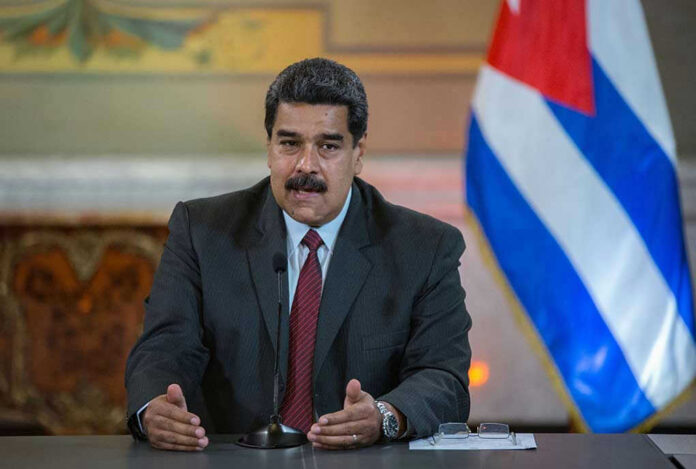
A U.S. grand jury has charged Venezuela’s Nicolás Maduro and Cilia Flores with a conspiracy to commit torture that prosecutors say targeted political opponents and included American citizens.
Story Highlights
- Superseding indictment adds a torture conspiracy charge naming at least nine victims, including three Americans.
- Prosecutors allege methods including electric shocks, asphyxiation, rape, starvation, and isolation.
- Filing says Maduro authorized torture and received reports; Flores got updates and directed abuse against individuals.
- Both pleaded not guilty in New York; the case proceeds in federal court.
Federal Charge Details and Alleged Victims
Federal prosecutors in the Southern District of New York unsealed a superseding indictment on October 8, 2026. The filing adds a conspiracy to commit torture charge against Nicolás Maduro and his wife, Cilia Flores. The document identifies at least nine alleged victims, including three U.S. citizens. The U.S. Attorney’s Office announced the charge alongside leaders from the Federal Bureau of Investigation, Drug Enforcement Administration, and Department of Homeland Security, showing a multi-agency case footprint.
The indictment describes specific methods that prosecutors say were used against detainees. The list includes electric shock, asphyxiation, rape, forced nudity, prolonged isolation, starvation, punishment cells, and psychological torture. Prosecutors also cite threats against family members. These details aim to show severe physical and mental pain under the torture statute. The filing dates the alleged scheme back to about 2013, as Maduro rose to power, and frames it as an ongoing, government-backed system.
Alleged Command Structure and Knowledge
The government’s theory centers on direct knowledge and orders from the top. Prosecutors allege Maduro authorized torture against specific people and oversaw a system that used detention and violence to crush political opposition. They say he received reports on detainees and their treatment. They also say Flores received updates about named prisoners and directed abuse against individuals. If proven, those claims could address intent and control, which are key elements in such cases.
The indictment portrays the abuses as part of an institutional practice, not isolated acts by rogue officers. It links the conduct to state security services and a structure designed to intimidate and silence dissent. That framing tracks with prior international findings that documented widespread detention and abuse in Venezuela since 2014. Those findings speak to pattern and scale, while the U.S. case seeks to tie leadership decisions to particular acts and victims in a criminal courtroom.
Courtroom Status and What Comes Next
Maduro and Flores appeared in New York and entered not guilty pleas to the torture conspiracy charge. Defense statements say they deny the allegations and will contest the case. A plea is not a finding of guilt, and prosecutors must still prove each element beyond a reasonable doubt at trial. The federal court will set schedules for motions, discovery, and, if reached, jury selection. The government has not publicly released detailed victim records or exhibits at this stage.
For American readers, the stakes include justice for alleged U.S. citizen victims and a clear stand against state-directed torture. The case also signals that the United States will pursue accountability even when abuses occur overseas and target political opponents. For years, families fled socialist rule in Venezuela after facing repression and ruin. This prosecution reflects a hard line against regimes that crush dissent, aligning with core U.S. principles of individual liberty and the rule of law.
Sources:
insiderpaper.com, justice.gov, congress.gov, courthousenews.com, matthewrussellleeicp.substack.com, reuters.com, abcnews.com