
Getty Images is heading into a fast-track bankruptcy that wipes out public shareholders while handing full control to the Getty family and Koch Equity Development.
Story Highlights
- Getty plans a prepackaged Chapter 11 to cut debt and go private, with creditor backing.
- Unsecured bondholders agreed to retire $270 million in notes under the deal.
- Secured lenders will lower interest costs and extend maturities, easing cash strain.
- Existing shareholders get nothing; new equity backers take 100% ownership.
What Getty Announced And What It Means
Getty Images said it reached a restructuring support agreement with the required creditor majority. The company plans a prepackaged Chapter 11 filing to move fast, cut debt, and exit as a private company owned by the Getty family and Koch Equity Development. Getty stated it will address non-operating legal liabilities while keeping operations steady and closing on an expedited timeline. The company said the necessary creditors have committed to vote for the plan, which is the core step in a prepack process.
Reporting on the announced terms described concrete debt changes. Lenders agreed to reduce interest costs and push out maturities, moves that free up cash and lower risk. Holders of unsecured notes agreed to retire $270 million of debt. These terms aim to shrink the balance sheet and cut future interest expense, consistent with how prepackaged cases are designed to hit the court with votes lined up and a clear exit path once the judge confirms the plan.
Who Wins Ownership And Who Loses
Getty’s plan brings major new equity from the Getty family and Koch Equity Development. Those investors are set to own one hundred percent of the reorganized company when it emerges. That outcome means current public shareholders do not receive value under the proposal, a tough but common feature in distressed prepacks where new money and creditors take the upside to stabilize the firm. Public reports also pegged the new equity at up to five hundred thirty-three million dollars.
Getty stated that creditors holding the needed share have committed to support the plan, which is essential to speed. The investor release also emphasized continued operations through the court process. The company framed the filing as a way to fix the balance sheet and remove legal overhangs without stopping service to customers or partners. The plan still must go through the court process before it is final, as is standard in Chapter 11 cases.
Market Shock And The Bigger Picture
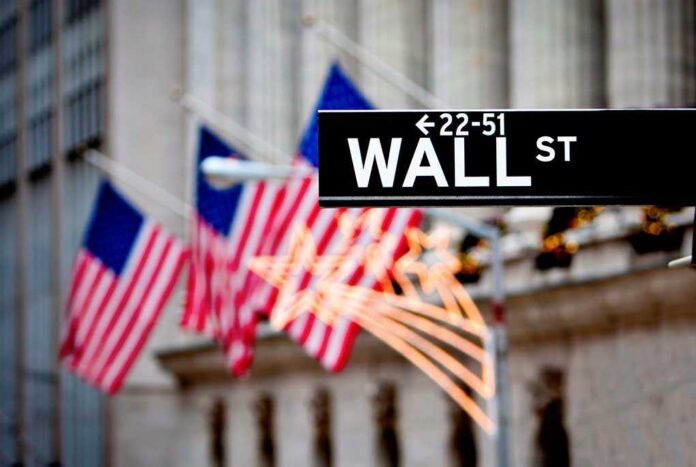
The market reaction was swift and harsh. Getty’s stock fell about seventy-two percent after the announcement. That drop reflects the cold math for current shareholders and the headline risk when a company files bankruptcy to reset its capital structure. It also follows a failed plan to merge with Shutterstock and rising pressure from artificial intelligence image tools that crowd the market and squeeze prices and demand.
Prepackaged Chapter 11 cases are a known tool to save jobs, keep services running, and cut debt faster than a drawn-out process. Academic and industry studies show prepacks have become a regular part of Chapter 11 and can produce quicker exits with stronger creditor outcomes than traditional cases. They also often shift value away from existing shareholders when new capital is needed to steady the ship and fund the turnaround.
Why This Matters To Readers
This deal shows how private capital steps in when public markets fail to support a turnaround. The Getty family and Koch Equity Development are putting in new money and taking full risk to keep a key media asset alive. That keeps a major library in American hands and under private control, not in the grip of global finance or political fad. It also pushes back on the idea that bailouts or new taxes are needed when a company stumbles in a tough tech cycle.
#IGR: Getty Images says it will file for bankruptcy and go private under a restructuring agreement expected to close by the end of the year.
The visual-content provider plans to begin an expedited Chapter 11 process in the coming weeks. Affiliates of the Getty family and Koch… pic.twitter.com/9EftkoSMJR
— India Global Review (@IGR_Media) October 14, 2026
For everyday investors, the lesson is clear. Bankruptcy law protects operating businesses, but it does not protect public equity when debt loads and cash costs become too heavy. For creators and customers, the company says service will continue as normal while the court process runs. For the broader economy, this prepack looks like a clean reset: less debt, lower interest costs, and private owners with skin in the game to compete in the age of artificial intelligence.
Sources:
digg.com, markets.businessinsider.com, finance.yahoo.com, investing.com, bloomberg.com