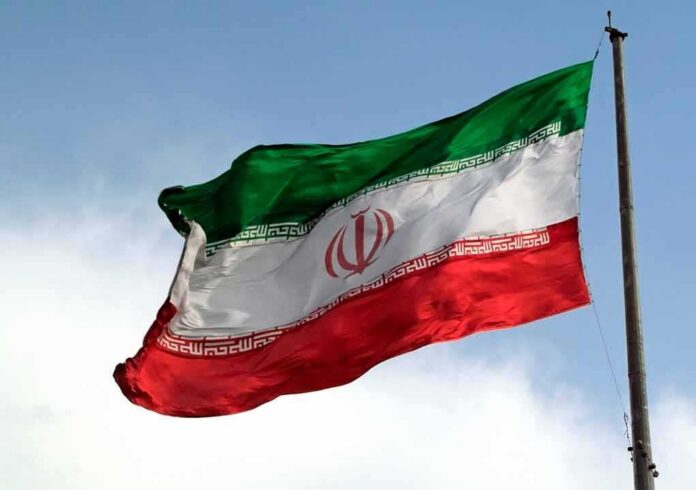
Iran’s Kharg Island handles about 90% of its oil exports, creating a single choke point that Washington can disrupt at will, squeezing Tehran’s war chest.
Story Highlights
- Kharg Island is the hub for roughly 90% of Iran’s crude exports, a clear pressure point.
- Analysts say sustained disruption there would quickly hit Iran’s revenues.
- Tanker data shows exports sometimes continued after strikes, limiting claims of total control.
- Reports also describe periods of halted loadings during heightened U.S. naval pressure.
Kharg Island’s Central Role in Iran’s Oil Lifeline
Reuters and other outlets report that Kharg Island serves as Iran’s main oil export hub, handling about 90% of crude shipments. Energy trackers say the island’s long piers and deepwater access let supertankers load fast, making it the country’s most valuable export site. This extreme focus creates a classic single-point failure. When most exports leave from one place, that place becomes the lever. For Iran’s rulers, oil money funds the state. For the United States, Kharg is leverage.
Argus and market intelligence point to similar shares in recent years. They show that loadings remain heavily concentrated at Kharg, even with side routes on paper. That concentration means any serious disruption, even for days or weeks, can pinch Tehran’s revenue stream and rattle prices. During crises, markets move on risk. The practical effect is simple. If tankers will not call, oil does not move. If oil does not move, cash dries up fast for Iran’s leaders.
What Disruption Looks Like in Practice
Analysts quoted by Anadolu warn that sustained hits on Kharg would severely restrict exports and quickly squeeze state income. Banks, underwriters, and shipowners react to danger and sanctions in real time. They raise costs or walk away. That is why market notes have called Kharg a critical vulnerability. One widely cited investment memo said a direct strike could halt most exports right away, at least at first loadings. The logic is not complex. Iran depends on one spigot. Close it, and the flow falls.
Public reporting shows how this pressure appears at sea. The Jerusalem Post relayed a stretch when no tankers loaded at Kharg for about a week during renewed U.S. naval pressure. Such pauses prove the concept. Naval posture, sanction threats, and risk premiums can freeze traffic. Even brief stoppages matter when budgets run on daily sales. Each day without loadings means fewer barrels out and fewer dollars in. That is real leverage without striking storage tanks or pipelines.
The Limits: Disruption Is Easier Than Control
Counter-reports stress that Iran kept exporting even after U.S. strikes. An IntelliNews review said tanker tracking showed loadings continuing around 1.1 million to 1.5 million barrels per day after attacks, with no major, lasting disruption. That finding tempers the boldest claims. It shows the difference between being able to disrupt and being able to control. Disruption can be sharp and fast. Control suggests steady, total command. The public record supports the first more than the second.
Major outlets also noted that U.S. strikes focused on military sites, not oil infrastructure on Kharg itself. That restraint lines up with common sense. President Trump’s team must balance pressure on Tehran with the risk of a price spike that would hit American families. Keeping oil facilities intact while signaling power is a way to warn Iran’s regime and protect global supply at the same time. It is pressure with a governor, not a reckless blow.
What This Means for U.S. Leverage and Energy Security
For a conservative reader, the takeaway is clear. The United States holds a large lever over Iran’s cash flow because Iran chose a single hub. Washington can use sanctions, naval posture, and targeted strikes on military assets to spook ships and insurers. That is a constitutional use of federal power under sanctions and national defense authority. It avoids long wars, limits taxpayer burden, and protects American energy security by keeping infrastructure intact while signaling strength.
The evidence also warns against wishful thinking. Iran adapts. Tankers find workarounds. Some loadings continue in tense times. The strongest facts back disruption, not permanent control. Policymakers should keep the lever ready, pair it with strict sanctions enforcement, and widen the pressure by targeting front companies and ghost fleets. Done right, this approach checks a hostile regime, backs our allies, and shields American families from price shocks, all without endless deployments.
Sources:
cfr.org, aa.com.tr, theguardian.com, pbs.org, tass.com