

A catastrophic flash flood has ripped through Central Texas, killing 129 and leaving over 160 missing, exposing decades of government failure to prioritize citizen safety over political vanity.
At a Glance
- Texas leads U.S. flood fatalities after Hill Country disaster.
- 129 dead, over 160 missing in Kerr County along the Guadalupe River.
- Trump demands urgent flood warning reforms; officials evade responsibility.
- Local notification systems failed, deepening public outrage.
- The tragedy reignites anger over government neglect of disaster infrastructure.
Hill Country Flood: Another Predictable Nightmare
The July 2025 floods in Central Texas proved once again that nature, when combined with government negligence, is an unstoppable killer. The Guadalupe River exploded by 26 feet in under an hour, catching Kerr County residents and summer camps catastrophically off guard. In scenes chillingly reminiscent of past disasters, 129 bodies have been recovered, and the desperate search continues for 160 more, including children swept away in the torrent.
Despite decades of warnings, Texas remains pitifully unprepared for the region’s notorious flash floods. The Hill Country’s rugged terrain and thin soils funnel rainwater into deadly rivers with horrifying speed, yet flood warning systems remain archaic or nonexistent in critical areas. Historians point to past calamities—the 1921 floods, the 1998 Hill Country disaster, and the deadly Memorial Day floods of 2015—all of which carried promises of reform that never materialized.
Watch a report: Texas Floods 2025—Why Were We Unprepared Again?
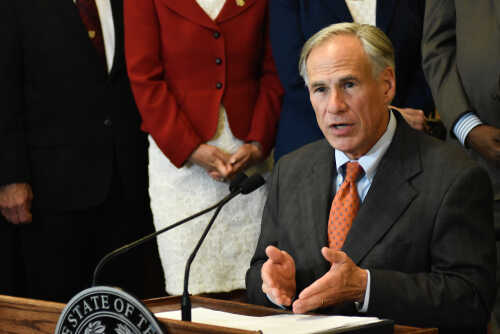
Texas leaders, from Governor Greg Abbott to local emergency managers, are under fire. Abbott’s flippant dismissal of concerns—brushing off notification failures as “the word choice of losers”—has enraged citizens. President Trump, visiting Kerrville, demanded immediate action: alarms, real-time river gauges, and emergency lighting to prevent more unnecessary deaths. “I would imagine you’d put alarms up,” Trump said, underscoring the basic, yet tragically missing, safeguards.
The Deadly Cost of Policy Neglect
The political fallout is escalating. Trump’s arrival in Texas not only brought attention but a scathing critique of government inertia. His administration is now pushing for sweeping flood management upgrades, echoing decades of hydrologists’ warnings that Texas’s rapid urbanization and outdated infrastructure are a recipe for recurring tragedy.
Yet the response from Texas officials has been a blend of denial and deflection. Emergency services failed to alert camps like Mystic, where many children were lost. Residents along the Guadalupe River report that sirens and emergency alerts never came. With public trust eroding, critics argue that the state’s fixation on spending billions on non-citizen welfare and ideological projects has left actual Texans defenseless against nature’s fury.
As floodwaters recede, the economic toll is mounting: obliterated homes, decimated businesses, and a deluge of insurance claims. Kerr County’s once-thriving summer tourism is now stained with death and despair. The systemic failure to invest in protective infrastructure has once again proven fatal, fueling suspicions that citizens’ lives are valued less than political posturing.
Will Texas Finally Wake Up?
Beyond the immediate loss, the Hill Country flood is a grim reflection of America’s warped priorities. While elites funnel public money into esoteric agendas, core infrastructure—dams, roads, emergency systems—continues to decay. The people of Texas, particularly in flood-prone areas, remain trapped in a cycle of promises followed by preventable funerals.
President Trump’s call for practical reforms is a lifeline, but Texans have heard it all before. If real investment and accountability don’t follow, the next storm will simply write more obituaries. As Trump himself warned, without decisive change, “the next flood will make this one look like a drizzle.”
The question now is whether Texas leaders will finally act—or if more families must drown before priorities shift from politics to people.