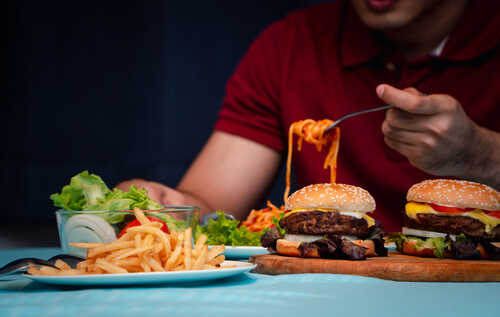
A 30-year-old Russian fitness influencer died of cardiac arrest after consuming 10,000 calories daily in a binge-eating challenge designed to market his weight loss program—a stark reminder that extreme social media stunts can have fatal consequences. This incident has reignited critical conversations about influencer ethics, the normalization of dangerous behaviors in fitness culture, and platform accountability for amplifying extreme, life-threatening content.
Quick Take
- Dmitry Nuyanzin, an established fitness coach from Orenburg, Russia, died in his sleep from cardiac arrest on November 26 after weeks of extreme binge eating
- He consumed approximately 10,000 calories daily—nearly double the recommended intake—consisting of high-cholesterol fast food to gain over 50 pounds for a commercial weight loss program launch
- Within one month, Nuyanzin gained more than 30 pounds and began experiencing physical distress before his death, signaling his body could not sustain the extreme physiological stress
- The incident highlights how social media platforms amplify dangerous content and how influencers prioritize commercial gain over health, normalizing destructive behaviors for followers
Marketing Gone Fatally Wrong
Dmitry Nuyanzin was no ordinary fitness enthusiast. The 30-year-old held credentials from the Orenburg Olympic Reserve School and St. Petersburg National Fitness University, boasting over a decade of experience as a personal trainer working with elite athletes. His professional standing made his decision to undertake an extreme binge-eating challenge all the more troubling—and influential among his social media followers who trusted his expertise.
Nuyanzin’s motivation was transparently commercial. He announced his weight loss program would launch around New Year’s, offering 10,000 rubles (approximately $100) to anyone weighing over 100 kilograms who lost 10 percent of their body weight by January 1st. To demonstrate the program’s efficacy, he decided to gain over 50 pounds in weeks by consuming roughly 10,000 calories daily—primarily pastries, cakes, dumplings covered in mayonnaise, burgers, and pizzas. The strategy capitalized on the social media trend of dramatic “before-and-after” transformations, where extreme results drive engagement and revenue.
Fitness Coach, 30, Dies From Binge-Eating Challenge That Had Him Eating Food Covered in Mayo https://t.co/lcVfdCgzKX
— People (@people) November 26, 2025
The Body’s Warning Signs Ignored
By mid-November, Nuyanzin had reached 103 kilograms (approximately 227 pounds), gaining more than 30 pounds in roughly one month. The rapid weight gain began taking a visible toll. Late in November, he started experiencing physical discomfort and canceled scheduled training sessions, informing friends he planned to seek medical consultation. His body was clearly signaling distress—a critical warning he did not heed in time.
On November 26, 2025, Nuyanzin died in his sleep from cardiac arrest. The mechanism is medically straightforward: being overweight forces the heart to work harder, increasing the risk of serious complications, including sudden cardiac failure. Nuyanzin died during the weight-gain phase of his challenge, before he could demonstrate the weight-loss component of his program—the commercial objective that motivated the entire stunt.
Social Media’s Role in Normalizing Danger
Nuyanzin documented his extreme eating habits publicly on Instagram, posting regular updates about his dietary intake and weight progression. This public documentation normalized dangerous dietary practices to his followers, many of whom viewed him as a credible fitness authority. The fitness industry has increasingly monetized extreme transformation content through sponsored programs, merchandise, and paid courses, creating financial incentives for influencers to escalate the intensity and danger of their challenges.
Social media platforms bear responsibility for amplifying such content. Instagram’s algorithmic promotion of extreme, engaging content likely incentivized Nuyanzin to escalate the challenge’s intensity. The platform’s design prioritizes virality and engagement over user safety, creating an environment where dangerous stunts receive algorithmic amplification and commercial reward. The incident raises critical questions about platform accountability in preventing the promotion of life-threatening content.
A Cautionary Moment for the Fitness Industry
The fitness community’s response has been mixed. Colleagues described Nuyanzin as “brilliant,” “energetic,” and “positive,” acknowledging his professional contributions while grappling with the tragedy of his death. Social media responses reflected broader concerns about influencer responsibility. One comment stated: “Binge eating is not anything to poke fun at,” while another captured the tragic irony: “Instead of losing the weight, he lost his life.”
The incident may catalyze conversations about professional ethics within the fitness industry. Fitness professionals must prioritize physiological safety over commercial objectives. Educational institutions training fitness professionals should incorporate more extensive instruction on the dangers of extreme weight fluctuation. The fitness industry faces pressure to establish ethical guidelines for challenge design and influencer conduct, recognizing that credibility built through credentials and experience carries responsibility to followers’ well-being.
Nuyanzin’s death serves as a stark reminder that social media engagement and commercial promotion cannot justify risking human life. His tragedy underscores the necessity for platforms to consider their responsibility in amplifying extreme content and for influencers to recognize that their professional credibility carries an obligation to prioritize follower safety over revenue generation. The incident will likely become a reference point in ongoing discussions about influencer ethics, platform regulation, and the normalization of dangerous behaviors within fitness culture.
This is really sad
This fitness influencer died from a heart attack at age 30 after trying to gain weight eating junk food in an effort to prove weight loss is all about calories
l blame people like @ProfHaub @BioLayne
Food quality matter, stop poisoning yourselves with… pic.twitter.com/5EElLl4C4W
— DoctorTro (@DoctorTro) November 27, 2025
Sources:
Russian Fitness Trainer Dies in Sleep From Cardiac Arrest After Binge-Eating Challenge
Fitness Coach Dies After Extreme Binge-Eating Challenge
Fitness Influencer Dies After Binge-Eating Junk Food Ahead of Weight-Loss Challenge
Fitness Influencer Dies Mid-Experiment After Consuming 10,000 Calories a Day
Fitness Coach, 30, Dies From Binge-Eating Challenge