Arizona lawmakers are moving to tighten eligibility for public benefits as Washington’s new error-rate penalties threaten to rip hundreds of millions from the state budget.
Quick Take
- Arizona Republicans sent Gov. Katie Hobbs a package of 12 bills aimed at stricter verification for programs like SNAP and Medicaid and curbing what they call fraud and improper payments.
- The push is driven by federal pressure to cut Arizona’s SNAP error rate from 8.8% to 3% or lower, or risk losing major federal funding.
- One cluster of bills targets immigration-related access points, including a hospital reporting requirement and restrictions tied to IDs and ITIN-based lending.
- Critics warn the new rules could “kick legitimate users” off benefits, hitting rural and tribal communities hardest due to limited access to training, transportation, and broadband.
Why Arizona Is Moving Now: Federal Penalties and a Rising SNAP Price Tag
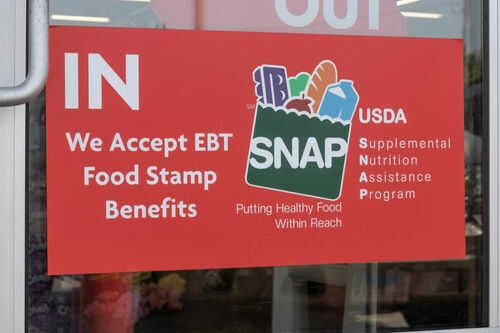
Arizona Republicans say their benefit-verification push is less about political messaging and more about preventing a budget blowout. Under new federal requirements, Arizona must reduce its SNAP error rate from 8.8% to 3% or lower or risk losing hundreds of millions in federal funding. At the same time, SNAP spending in the state has reportedly doubled from $1 billion to $2 billion in recent years, sharpening the urgency for lawmakers focused on fiscal containment.
For conservative voters who feel squeezed by inflation and high living costs, the basic question is straightforward: should taxpayer-funded programs be protected for eligible recipients by tightening verification, or will new bureaucratic hurdles punish the honest? Arizona’s GOP leadership argues the state cannot afford sloppy administration when Washington is now prepared to penalize states financially. Democrats and advocacy groups counter that error rates do not automatically equal fraud and that strict rules can create wrongful terminations.
What’s In the 12-Bill Package: Work Rules, Cross-Checks, and Benefit Duration Changes
The package spans multiple programs and approaches. One proposal, HB 2122, would require legislative approval before state administrators can request waivers of SNAP work requirements. Another, SB 1071, adds data-matching and stricter replacement rules for EBT cards, including flagging out-of-state purchases. A separate unemployment insurance verification bill would require cross-checking seven databases before payment, with automatic disqualification and a prosecution referral for mismatches, plus added work-search requirements.
Not every measure is simply a cut. HB 2349 would raise Arizona’s TANF cash-assistance time limit from the state’s current 12 months—the shortest in the country—to the federal standard of 60 months. That detail matters because it complicates the usual “slash benefits” narrative. Republicans are mixing tougher front-end verification and work compliance with at least one expansion of duration, signaling that the legislative focus is targeting eligibility policing rather than ending assistance outright for qualifying families.
Immigration-Related Provisions: Hospitals, Data Sharing, and Financial Restrictions
Several bills focus specifically on immigration status and government systems. SB 1520 would require Arizona agencies to share information with the federal government about undocumented immigrants and visa overstayers, with the provision expiring in 2028. HB 2689 would require hospitals receiving state funds to ask patients about citizenship or immigration status and report aggregate data. SB 1421 would bar banks and check cashers from accepting IDs issued to undocumented immigrants and restrict loans based on ITINs.
Conservatives will recognize the philosophical argument behind these bills: if the rule of law matters, then state systems should not create incentives that blur legal status, especially when budgets are tight. At the same time, the available reporting shows a practical concern beyond ideology—compliance and cost control. Critics argue hospital-status questions could deter care-seeking and undermine public health trust. The research provided does not include implementation details, enforcement timelines, or projected savings.
The People Caught in the Middle: Rural and Tribal Barriers, Disability Concerns, and “Legitimate Users”
Opponents argue the package risks collateral damage. Democratic lawmakers have warned that stricter eligibility and work-related requirements will “kick legitimate users off” benefits that keep them afloat. Rep. Jamescita Peshlakai highlighted that rural and tribal communities may lack the infrastructure to comply with employment training requirements, citing transportation and access limitations. The Arizona Center for Economic Progress also argues that expanded verification and documentation demands will hit people with disabilities, mental health conditions, and single parents.
Arizona officials are already facing a real-world stress test: about 380,000 Arizonans reportedly lost food assistance after Congress adopted more stringent SNAP requirements. That backdrop raises the stakes for any state-level tightening, even if the intent is fraud reduction. For voters who are tired of government waste but also tired of government incompetence, the key question is whether Arizona can reduce improper payments without creating an error-prone bureaucracy that wrongly cuts off eligible citizens.
What Happens Next: Hobbs’ Decision and the Bigger Political Fault Line
Gov. Katie Hobbs will be the decision-maker on the package, and the research notes she has vetoed similar immigration-related bills in the past. The sources provided do not include her detailed response to this specific 2026 package, leaving uncertainty about which measures, if any, could be signed or rejected. That gap matters because the bills cover a wide range—from database verification to hospital reporting—so the final outcome could be a partial, negotiated set of reforms.
“END BENEFITS FOR ILLEGAL ALIENS?” Lawmaker Makes Bold Push
Among the proposals, ending taxpayer-funded benefits for illegal aliens, including SNAP, unemployment, Medicare, and Social Security, measures supporters say could save billions.
Watch Here: https://t.co/hEgWm14JAr…
— One America News (@OANN) March 24, 2026
Even in a year when national attention is dominated by war overseas and frustration with Washington, these state-level benefit rules reveal a separate strain in conservative politics: voters want strong borders and accountable spending, but many also want fewer heavy-handed systems that treat ordinary people like suspects. Arizona’s stated goal is federal compliance and fraud reduction. Whether it delivers clean administration or bigger government friction will depend on how these verification requirements are executed.
Sources:
Bill Comments – Arizona Center for Economic Progress
Arizona Republicans pass bills they say will end fraud in government programs like SNAP
Arizona ICE Agents at Polling Places 2026
Governor signs bills on immigration, homelessness and dozens more law