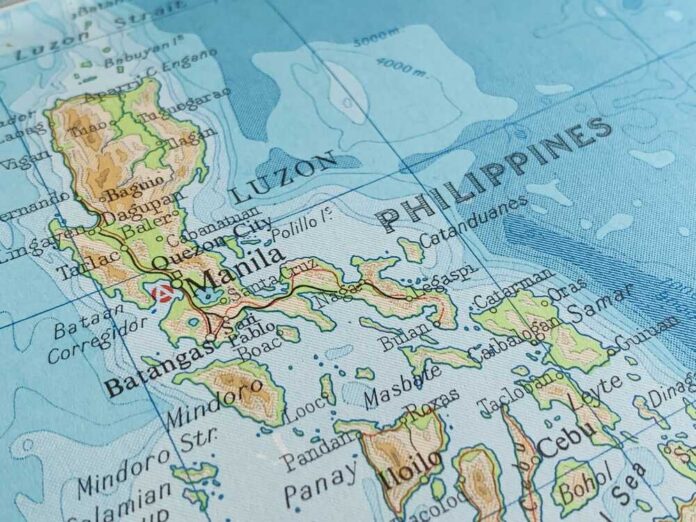
The Iran war is already squeezing American families through higher oil costs—and the Philippines just flashed a warning sign by declaring a national energy emergency to keep fuel flowing.
Quick Take
- President Ferdinand Marcos Jr. signed Executive Order No. 110 on March 24, 2026, declaring a one-year “national energy emergency” tied to Middle East conflict risks.
- The Philippines says it is vulnerable as a net oil importer, with officials citing roughly 45 days of fuel supply on hand.
- The order enables faster fuel procurement, including advance payments, and sets up an inter-agency committee to track and manage essentials.
- The policy includes conservation steps and enforcement against hoarding and profiteering as global oil prices and shipping routes face uncertainty.
Why the Philippines Is Moving First as the Iran War Disrupts Energy Markets
President Ferdinand Marcos Jr. declared a national energy emergency after the Middle East conflict raised fears of supply disruption and price spikes in global oil markets. The Philippines relies heavily on imported petroleum, including significant supply linked to Middle East producers and shipping lanes. With the Strait of Hormuz frequently cited as a chokepoint risk in wartime, Manila’s move underscores how quickly a regional conflict can become a worldwide energy problem.
Energy Secretary Sharon Garin said the country had about 45 days of fuel supply, a detail that helps explain the urgency behind the executive order. Marcos framed the emergency as a way to organize a faster, coordinated response across government to prevent shortages and blunt price shocks. The order is time-limited—one year—but its authorities are broad enough to reshape procurement and domestic distribution almost immediately.
Inside Executive Order No. 110: Procurement Powers and the UPLIFT Committee
Executive Order No. 110 authorizes fuel procurement measures designed for speed, including the ability to make advance payments to secure deliveries. It also establishes an inter-agency committee—often described as a “whole-of-government” mechanism—to monitor and coordinate supply conditions not just for fuel, but also for food, medicines, and other essentials. This centralization matters because shortages rarely stay confined to gas stations; they ripple into transport, groceries, and healthcare.
The committee structure, described in reporting as UPLIFT, places the presidency at the center while drawing in key departments involved in energy, finance, transport, social welfare, agriculture, planning, and budgeting. The stated goal is to track inventories, anticipate bottlenecks, and coordinate relief. For conservatives watching from the U.S., the main lesson is not the Philippines’ bureaucracy—it’s the evidence that global markets are treating the Iran war as a real supply risk, not a cable-news talking point.
Anti-Hoarding Enforcement and Conservation: Emergency Tools With Tradeoffs
The emergency declaration includes steps aimed at discouraging hoarding and profiteering, along with potential conservation measures. Those tools may help prevent panic buying and keep critical services operating, but they also expand government discretion over private supply chains. The available reporting does not lay out exactly how aggressively enforcement will be applied or what penalties will look like in practice, so the real-world impact on businesses and consumers remains unclear this early in implementation.
What is clear is the political logic: when imported fuel prices surge, inflation follows, and governments face pressure to “do something.” In the U.S., many MAGA voters remember how quickly “temporary” emergency measures can become normalized—whether through regulations, spending, or new controls. The Philippines’ approach highlights how wartime energy shocks tend to invite more state power, even when leaders say the goal is simply stability and continuity.
What This Signals for Americans: Global Price Pressure and a Restive Base
Manila’s decision is a reminder that the Iran war’s costs are not contained to the battlefield. When importing nations fear shortages, they race to lock in supply, and that can intensify competition in already tight markets—pushing prices higher. That dynamic lands at U.S. kitchen tables through gasoline, diesel-driven shipping costs, and the price of everyday goods. The reporting also reinforces a hard truth: allied and neutral countries are already planning for disruption.
Philippines declares national energy emergency as Iran war disrupts oil supplyhttps://t.co/UltwelHb69
— Human Events (@HumanEvents) March 24, 2026
For Trump’s second-term coalition, the energy story cuts straight into the ongoing debate about foreign entanglements and national interest. It does not measure U.S. public opinion directly, but it does document immediate global fallout: governments are shifting into emergency posture based on war-driven risk. If America’s leaders want public confidence, they will need to explain clear objectives, constitutional boundaries, and an exit strategy—because energy shocks and open-ended conflict have a track record of eroding trust at home.
Sources:
Philippines Declares National Energy Emergency to Secure Fuel Supply Amid Global Uncertainty
Philippines declares energy emergency amid global crisis
Philippine President Marcos declares energy emergency over Middle East conflict risk
Middle East conflict: Philippine President Marcos declares energy emergency
Philippines declares energy emergency amid Middle East war fallout
PH declares energy emergency amidst Middle East crisis
Philippines becomes 1st country to declare energy emergency due to Mideast conflict