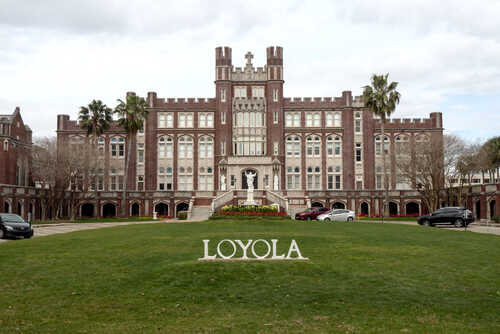
Loyola University New Orleans’ rejection of a Turning Point USA chapter has sparked a statewide backlash, with Louisiana GOP leaders calling the move an “injustice” and signaling that attacks on campus free speech will not go unanswered.
Story Snapshot
- Loyola’s student government blocked a conservative group’s campus chapter, citing values conflicts and campus safety.
- Governor Jeff Landry condemned the decision, calling for a Charlie Kirk statue at LSU to highlight the injustice.
- Republican leaders frame the move as ideological censorship, intensifying debates over free speech on campus.
- The dispute raises alarms about political intervention in higher education and the erosion of conservative voices.
Loyola’s Student Government Denies TPUSA Charter Amid Protests
On October 15, 2025, Loyola University New Orleans’ Student Government Association voted to deny Turning Point USA (TPUSA) an official campus charter. This decision, supported by nearly 100 student protesters, prevents the conservative organization from receiving university funding or reserving campus spaces for its events. Student senators cited concerns about campus safety for minority students and conflicts with the university’s Jesuit Catholic values as primary reasons for the rejection, reflecting a campus climate wary of conservative activism.
Loyola’s administration emphasized that the process was entirely student-led and in accordance with institutional policies. As a result of the SGA vote, TPUSA remains unrecognized, lacking access to crucial resources that other student organizations enjoy. The denied status means the group must either appeal through the SGA Court of Review or seek alternative avenues for their presence on campus. This move aligns Loyola with other universities nationwide that have resisted the rapid expansion of TPUSA, especially after the group saw a surge in chapter requests following the tragic assassination of its founder, Charlie Kirk, in September 2025.
Louisiana GOP throws weight behind Turning Point USA chapter rejected by New Orleans university: 'injustice' https://t.co/HUiiBnudjv
— Follow @JodyField (@JodyField) October 30, 2025
Louisiana GOP Responds: From Condemnation to Calls for Action
Governor Jeff Landry, representing the state’s top Republican leadership, publicly condemned Loyola’s decision as an “injustice.” On October 28, 2025, Landry called for the erection of a Charlie Kirk statue at Louisiana State University, symbolizing support for free speech and conservative principles. This response marks an escalation from mere criticism to a push for symbolic action, signaling to institutions statewide that attacks on conservative voices will not be tolerated by state leaders. Landry’s intervention demonstrates the willingness of political actors to defend constitutional rights and challenge what they see as ideological censorship in academia.
Other Louisiana universities are now feeling increased pressure to either mirror Loyola’s restrictive stance or affirm their commitment to free expression. Tulane University had already paused all new student organization applications just one day after receiving a TPUSA charter request, effectively blocking recognition without a formal vote. This growing trend suggests a broader pattern of private institutions using procedural tactics to sideline conservative organizations, raising alarms among free speech advocates and constitutional conservatives alike.
Free Speech, Political Censorship, and the Fight for Conservative Values
The Loyola incident underscores a national struggle over the boundaries of free speech, institutional autonomy, and ideological diversity on college campuses. Conservative leaders and organizations view the rejection as a clear example of political censorship, where left-leaning student bodies and administrations suppress dissenting voices under the guise of values alignment and safety. The fact that the student government acted with near-unanimous opposition to TPUSA prompts concerns about whether true democratic deliberation occurred, or if a prevailing ideological consensus shut out minority viewpoints.
This episode is not isolated. Across the country, universities are increasingly being called out for applying inconsistent standards to conservative and liberal organizations. In this environment, threats to traditional principles, open debate, and constitutionally protected rights are drawing heightened scrutiny from state officials and the public. The willingness of Louisiana’s GOP leadership to intervene signals a new era where political leaders will not stand by as core American values are eroded on campuses.
Broader Implications: Political Intervention and the Future of Campus Free Speech
The direct involvement of state leaders like Governor Landry in campus disputes marks a shift in the balance of power between institutional autonomy and public accountability. While universities argue for the right to enforce their own values, political leaders and many citizens see a dangerous trend where leftist agendas push out constitutionally protected viewpoints. The precedent set by Loyola’s rejection and the subsequent GOP response could shape policy approaches to campus free speech, organizational recognition, and government oversight for years to come.
As universities nationwide grapple with how to handle controversial organizations, conservative Americans are watching closely for signs of overreach, censorship, and double standards. The outcome of TPUSA’s situation at Loyola will likely influence not only future campus policies in Louisiana, but also the broader national debate over whether traditional values and free speech will be protected or suppressed in higher education.
Watch the report: Loyola University’s student government association rejects Turning Point USA chapter on campus
Sources:
Loyola New Orleans Denies TPUSA Charter
Loyola denies TPUSA charter request, marks second Louisiana school to hamper organization
Jeff Landry wants Charlie Kirk statue at LSU after Loyola University denies Turning Point chapter