
The White House has dropped the Wall Street Journal from its press pool amid a $20 billion libel suit over a disputed Epstein-related letter, threatening broader consequences for press freedom.
At a Glance
- The White House removed WSJ reporters from President Trump’s Scotland press pool.
- Trump filed a $20 billion defamation lawsuit over the Journal’s Epstein letter story.
- WSJ defends its reporting on a 2003 suggestive birthday letter.
- The administration previously seized control of pool access from the Correspondents’ Association.
- Media watchdogs warn the move may chill press coverage and prompt self-censorship.
White House Leverages Access
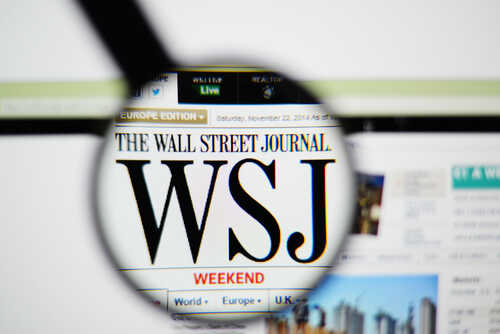
In a forceful move, the White House pulled Wall Street Journal reporters from the press pool covering President Trump’s trip to Scotland, escalating tensions over the Journal’s publication of a story alleging Trump sent a suggestive birthday letter to Jeffrey Epstein in the early 2000s. Press Secretary Karoline Leavitt denounced the article as “fake and defamatory,” and the White House responded by stripping pool access and announcing a sweeping $20 billion libel suit. This exclusion follows the administration’s earlier decision to revoke the White House Correspondents’ Association’s authority over pool assignments, a change that has already shifted the dynamics of media access at official events.
The $20 billion lawsuit, targeting the Journal, its parent companies, and several editors, is among the largest defamation actions ever launched by a sitting president against a major outlet. The Journal stands by its reporting and insists its sources were vetted, while the White House maintains the letter was fabricated. Tensions continue to mount as the administration signals it is willing to use both legal and logistical power to shape coverage.
Watch a report: White House removes Wall Street Journal reporter from Scotland trip over the paper’s Epstein story – CBS News
Chilling Effect on Press Freedom
Critics warn this clash signals a dangerous precedent for government retaliation against adversarial reporting. Media organizations say the exclusion of the Wall Street Journal and the massive lawsuit could have a chilling effect on journalists covering the administration, especially with access and legal risks now closely linked. Press freedom groups note that the earlier move to sideline the Correspondents’ Association was a first warning, but this latest escalation pushes boundaries not seen in modern presidential history.
Supporters of the administration argue the changes level the playing field and address long-standing biases in legacy media. They believe removing what they call “unreliable outlets” from privileged access is justified. However, legal analysts point out that if the lawsuit succeeds, it could redefine standards for libel and defamation involving public officials, potentially constraining how the media investigates and reports on those in power.
As the lawsuit proceeds, both sides are preparing for a protracted battle that may alter the relationship between the press and the presidency for years to come. The outcome could influence not only access to the White House, but also the independence of American journalism as a whole.