

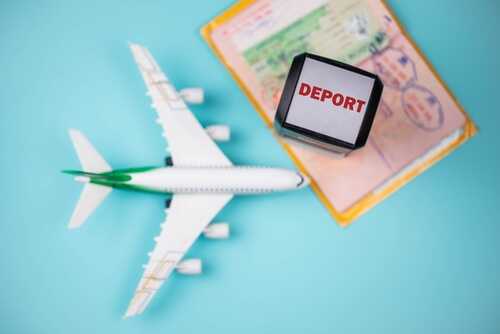
South Sudan’s readiness to accept additional U.S. deportees, even those who are non-citizens, introduces a contentious aspect of American immigration policy.
At a Glance
- South Sudan agrees to accept more deportees from the U.S., including non-South Sudanese.
- Deportations are linked to U.S. negotiations on lifting sanctions against South Sudan.
- Legal and ethical controversies surround the third-country deportation policy.
- The fate of deportees in South Sudan remains unclear amid safety concerns.
South Sudan’s Stance on U.S. Deportees
South Sudan has boldly stepped into the spotlight, offering to accept more deportees from the United States, including individuals who aren’t even South Sudanese. This decision is more than just an immigration move; it’s a strategic play by South Sudan to negotiate the lifting of U.S. sanctions. The Trump administration, once again, is leading the charge with its aggressive third-country deportation policies. Just this past July, eight men, many of whom were non-South Sudanese, were sent to Juba, South Sudan, under this controversial policy.
The deportation of these individuals follows a long and winding legal battle that saw the Supreme Court ultimately allow the deportations to proceed. This decision is seen as a victory by the Department of Homeland Security, which announced the success of the Supreme Court ruling. However, the decision has not been without its critics. Concerns have been raised about the safety and legal rights of the deportees, especially given the U.S. State Department’s “do not travel” advisories for South Sudan.
Watch a report: US deportees arrive in South Sudan
Understanding the Policy and Its Impacts
The Trump administration’s use of third-country deportations is not new, but extending it to Africa is a significant development. Historically, the U.S. has faced challenges deporting non-citizens convicted of crimes, particularly when their home countries refuse to accept them. The administration’s strategy now involves sending these individuals to countries like South Sudan, which are willing to cooperate in exchange for diplomatic benefits like sanctions relief. South Sudan, plagued by instability and human rights concerns, sees this as an opportunity to improve relations with the U.S.
The implications of this policy are far-reaching. Deportees face uncertain and potentially dangerous futures in a country they have no connection with. The policy also sets a precedent for future U.S.-Africa migration policies, which could see similar arrangements with other nations in the region. South Sudan’s acceptance of these deportees is transactional, and while it may offer a short-term diplomatic win, the long-term impacts on both U.S. policy and the deportees themselves remain to be seen.
Legal and Ethical Controversies
This policy has sparked significant legal and ethical debates. Legal experts and human rights advocates have voiced grave concerns about deporting individuals to countries with known safety risks. The policy potentially contravenes international norms against refoulement, which prohibit the forcible return of individuals to places where they may face danger. There is also a broader question of the constitutionality and morality of such third-country deportations.
Critics argue that while the policy might appear as a necessary measure to uphold law and order, it is punitive and disregards the human rights of the deportees. The lack of reliable reports on the deportees’ status in South Sudan only adds to the controversy. The administration, however, maintains that these deportations are essential for enforcing immigration laws and protecting public safety.
Future Prospects and Ongoing Scrutiny
As these deportations continue, the international community and U.S. citizens alike will be watching closely. The focus will be on the safety and integration of the deportees in South Sudan, as well as any further diplomatic negotiations between the U.S. and South Sudan. This policy could influence future U.S. immigration strategies, particularly in how the country handles deportations to uncooperative nations.
For South Sudan, the cooperation with the U.S. could mean a significant shift in its international relations, provided it can leverage this situation effectively. However, the humanitarian and ethical considerations remain a sticking point that cannot be ignored. As this situation develops, it’s crucial for all stakeholders to keep a close eye on the unfolding events and their implications for international law and human rights.