
Border agents say bulldozers in Big Bend are prepping surveillance and access roads—not a 30-foot wall—aimed at stopping cartel crossings and rescuing people faster.
Story Highlights
- Customs and Border Protection says no 30-foot wall is planned inside Big Bend parks, focusing instead on detection tech and roads.
- Homeland Security used legal waivers to speed border security work across the Big Bend region amid lawsuits.
- Opponents warn of harm to wildlife, dark skies, and sacred sites; courts have not halted work.
- An agency environmental review found no significant impact from the proposed action in Texas segments tied to this effort.
What Federal Officials Say Is Happening On The Ground
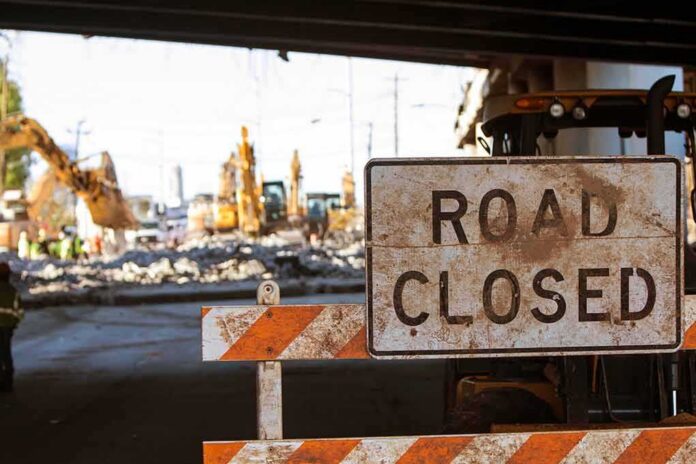
United States Customs and Border Protection leaders said current activity in Big Bend National Park is survey and design work, road grading for access, and preparation for surveillance systems. Officials stated there is no plan to build a 30-foot steel wall or stadium lighting inside the national or state parks. They said the goal is to help agents detect crossings, cut response times, and assist visitors in danger, while protecting the park’s legacy for families and future visitors.
The agency’s message follows weeks of tense images of bulldozers and crews in remote desert canyons. Customs and Border Protection emphasized that the visible work supports planning and access needs, not wall segments through the park. Officials also noted the agency will use and improve existing roads and rely on detection technology where terrain already forms a natural barrier. Local reporting echoed that federal crews were re-grading storm-damaged roads to enable surveys before any build decisions.
Why Waivers Were Used And What Courts Have Done
The Department of Homeland Security used long-standing waiver authority to bypass multiple environmental and historic preservation laws for border infrastructure and roads from Big Bend to Lake Amistad. Leaders said the move was needed to speed projects in high-risk corridors along the Rio Grande. A federal judge declined to block the work after lawsuits were filed, allowing survey and access activities to continue while litigation proceeds over the scope and use of those waivers.
This approach fits a pattern used by both parties since Congress expanded waiver powers in 2005. Academic and legal records show environmental laws such as the National Environmental Policy Act and the Endangered Species Act have been the most frequently waived to meet urgent border needs. Supporters argue waivers prevent red tape from stalling life-and-death security work. Critics counter that normal safeguards and consultations should still apply in sensitive landscapes like Big Bend.
Environmental Concerns And What The Evidence Shows
Advocacy groups, park supporters, and some local voices warn that new roads, sensors, and any related barriers could fragment habitat, dim dark skies with lights, and threaten cultural sites. They also argue canyon walls already act as nature’s wall, making large projects wasteful or harmful. Those concerns fueled protests and fresh lawsuits as heavy equipment appeared along river corridors near Santa Elena Canyon and other iconic sites in the region.
James Talarico unveils LANDMARK border security plan https://t.co/J4j5U48614 via @YouTube
— J. Thomas Black ❌👑 (@jtblacklaw) August 12, 2026
Customs and Border Protection points to its environmental assessment for Texas segments, which concluded the proposed action would not cause significant environmental impacts. Officials say focusing on detection technology and improving existing roads reduces disturbance while improving safety for agents and visitors. They stress there is no plan for a towering wall or stadium lights inside Big Bend National Park or Big Bend Ranch State Park, rebutting the most alarming claims about park destruction.
Security Stakes For Families And Communities
Border agents face rugged terrain, remote canyons, and real cartel threats. Detection towers, passable roads, and rapid-response routes help stop smuggling and save lives when hikers or migrants are in distress. The Trump administration’s directive put safety and sovereignty first, while agencies say they will coordinate with the National Park Service and Texas officials. As lawsuits continue, the practical test will be whether focused tech and access work curb illegal crossings without scarring Big Bend’s cherished landscape.
Sources:
pjmedia.com, theguardian.com, spectrumlocalnews.com, tpr.org, biologicaldiversity.org, npr.org, cbp.gov, cbsnews.com, eenews.net, npca.org, kvue.com, marfapublicradio.org