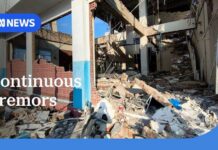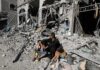

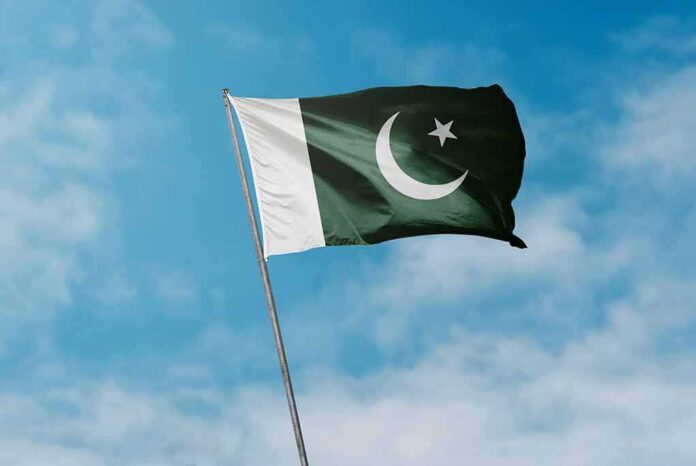
A sweeping security crackdown in Pakistan-administered Kashmir has cut the region off from the world, leaving thousands of ordinary people trapped under roadblocks, mass arrests, and a long internet blackout.
Story Snapshot
- Pakistan has blacked out internet and phones across Azad Jammu and Kashmir for weeks, blocking news and basic services.
- Authorities branded a grassroots protest group as “terrorist” under anti-terror law and launched mass raids and detentions.
- Reports from rights groups and media describe deadly clashes, alleged enforced disappearances, and a climate of fear.
- The crisis fits a wider pattern of governments using blackout tactics and “security” language to crush dissent in Kashmir.
Internet Blackout Turns Pakistani Kashmir Into a Digital Prison
Mobile data and broadband services across Azad Jammu and Kashmir were shut down on June 5 after a protest call by the Jammu and Kashmir Joint Awami Action Committee, a local civil rights coalition. Pakistan suspended cellular, fibre internet, and mobile phone services, creating what witnesses describe as a “complete communication blackout.” Amnesty International says this blackout has blocked access to information, disrupted essential services, and stopped people from documenting abuses on the ground. For weeks, families could not reliably call doctors, schools, or loved ones. Independent reporting was choked off, letting state narratives fill the void while real people suffered in silence.
Local and international coverage reports that internet services did not come back quickly; some parts of Azad Jammu and Kashmir saw restoration only after about forty-five days, underlining how long the region was digitally sealed. This is not a one-off move. Pakistani authorities have used internet shutdowns before during unrest in Azad Kashmir and even during national elections. United Nations experts have warned that similar blackouts in Kashmir amount to “collective punishment” when governments cut communications without a clear, lawful need. When a state can flip a switch and silence millions, it raises the same alarm bells Americans feel when government power grows too fast and too secret.
From Protest to “Terrorism”: Mass Arrests and Deadly Force
The current crisis began when residents rallied against economic hardship, high electricity prices, subsidy cuts, and a disputed plan to reserve seats in the regional legislature. On June 5, authorities responded by declaring the Jammu and Kashmir Joint Awami Action Committee a “proscribed organization” under the Azad Jammu and Kashmir Anti-Terrorism Act of 2014, effectively labelling a grassroots protest platform as “terrorist.” Amnesty International calls this move “disproportionate, unlawful and a violation of the right to freedom of association,” warning that it marks a dangerous escalation in how Pakistan handles dissent. Once the label was applied, police and paramilitary forces launched widespread raids, detentions, and road closures across the territory.
Reports from Sky News and other outlets say at least twenty-four people have been killed in about two weeks of protests, with government officials themselves admitting around twenty civilian deaths between June 6 and June 14. The regional police chief has reported four officers killed, ninety-seven wounded, and more than five hundred people detained. Other coverage and rights reports describe even higher figures and speak of missing persons believed to be in custody or worse. The Jammu and Kashmir Joint Awami Action Committee’s own human rights report describes mass arrests, lethal force, denial of medical access, and alleged enforced disappearances during the June crackdown. While one Associated Press report notes that some protesters were armed and clashed with police, that does not erase the duty to use only necessary force and to respect basic human rights.
Roadblocks, Fear, and a Pattern of Rights Abuses in Kashmir
Roads into and across Pakistan-administered Kashmir have been closed or heavily controlled, with reports of snap checkpoints and thousands of extra police and paramilitary troops deployed to “crush protesters.” Shops have shut, fuel and food supplies have been disrupted, and many towns feel like they are under siege. Ordinary families trying to buy bread or reach a clinic are caught between angry crowds and aggressive security forces. Human-rights groups say this climate of fear mirrors earlier patterns in both Indian- and Pakistan-administered parts of Kashmir, where curfews, blackouts, and mass detentions recur whenever people speak up. United Nations reports from 2018 and 2019 documented “chronic impunity” for abuses by security forces on both sides of the Line of Control, including unlawful killings and enforced disappearances.
🇵🇰⚡ | #BREAKING: More than 80 people are reportedly dead in Pakistan-administered Kashmir following weeks of protests and a security crackdown.
🚨 Reports claim 23+ people were killed in the past 24 hours in Rawalakot and Mirpur, as renewed clashes erupted between protesters… https://t.co/QedguUbInk pic.twitter.com/7eEmmMMCGM
— Raaz News – En (@raaznewsen) July 28, 2026
For American conservatives, this story is a stark warning about what happens when governments treat citizens’ grievances as “terrorism” instead of speech. Pakistan’s use of anti-terror law against a protest committee, its long internet shutdown, and its sweeping arrests show how fast “security” language can be turned against everyday people. This is the same kind of overreach we fight at home when officials push censorship, label opponents as extremists, or use crises to expand state power. The Kashmir crisis is far away, but the principle is close to home: if a government can shut off the internet, block roads, and jail hundreds without clear accountability, then liberty is always at risk. Watching Pakistan’s crackdown reminds us why defending free speech, due process, and limited government matters everywhere.
Sources:
pjmedia.com, amnesty.org, eurasiareview.com, socialistworker.co.uk, youtube.com, bbc.com, timesofindia.indiatimes.com, aljazeera.com, apnews.com, fidh.org, assets.zyrosite.com