
Joe Biden’s own memoir claims Ukraine’s leader was “moody and stubborn” and “not as grateful” as expected — raising fresh questions about years of blank-check foreign aid.
Story Highlights
- Biden’s book describes tense talks with Zelenskyy and says gratitude fell short of his expectations.
- Reports link Biden’s view to Ukraine’s repeated requests for more weapons and money.
- Public records show Zelenskyy often thanked the United States and its leaders for support.
- Excerpts are based on media previews; the full context of the memoir is not yet available.
Biden’s Memoir Claims Strain With Kyiv Over Aid Demands
Media previews of Joe Biden’s forthcoming memoir report that he described President Volodymyr Zelenskyy as “moody and stubborn” in private and “not as grateful” as he expected for United States help during the war. These accounts say Biden tied that view to repeated requests from Kyiv for more weapons and funding during his time in office. The passages reflect Biden’s personal assessment, not a transcript or official record, based on the reporting about the book’s excerpts.
Coverage also notes that Biden balanced his criticism with praise for Zelenskyy’s wartime leadership. That mix suggests personal friction existed even as Washington kept sending support. The reporting does not name dates, participants, or specific exchanges to verify tone or wording inside those private talks. Outlets cite a preview ahead of the book’s release, which limits the available context for readers weighing Biden’s claims today.
Public Statements Show Frequent Thanks From Zelenskyy
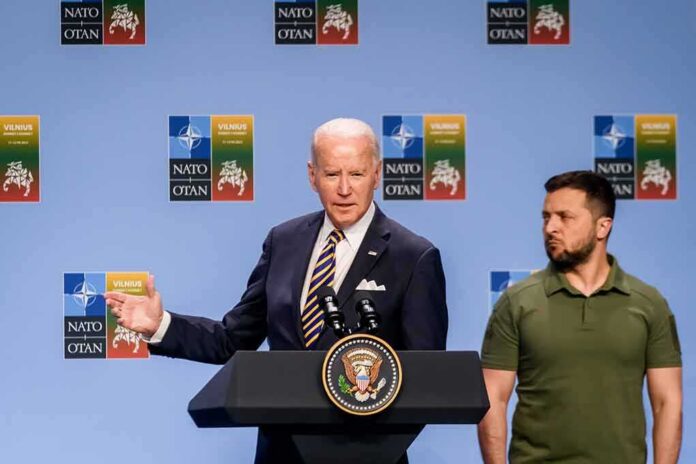
On-camera remarks and official posts from President Zelenskyy often expressed thanks to the United States. In a 2023 joint appearance at the White House, he thanked Joe Biden, his team, Congress, and the American people for support and cooperation. A fact review cataloged many more public thanks during 2023 and 2024, including for specific aid packages and continued support. These records show a steady pattern of public gratitude toward Washington.
This difference between Biden’s private claim and Zelenskyy’s public thanks highlights a common wartime tension. A nation under attack pushes hard for more help, while the ally paying the bills feels pressure at home. Requests can feel relentless in private, even if they are polite in public. That clash does not prove either side wrong. It shows how stress, money, and risk shape the tone of talks between partners during a long war.
Why This Matters For U.S. Taxpayers And Policy Now
American families are still dealing with high prices and energy costs. Many want strict oversight of every foreign dollar. Biden’s memoir excerpts, if accurate, confirm what many sensed: Washington faced nonstop pressure to send more. That pressure came as our own border needed fixing and debt piled up. These claims should push Congress to insist on clear goals, firm limits, and full audits before any future aid leaves the Treasury.
President Trump’s team now sets policy. That means any aid must serve clear United States interests, protect taxpayers, and avoid open-ended commitments. Lawmakers should get exact terms, delivery timelines, and end states before approving funds. They should require public reporting so citizens can see where money and weapons go. Allies who want long-term help should also share more of the burden. That is fair to our people and strengthens any partnership built to last.
What We Know And What We Do Not
We know multiple outlets report the same core Biden quotes about Zelenskyy’s mood, stubbornness, and gratitude, tied to aid talks during the war. We know Zelenskyy has repeatedly thanked the United States in public and on the record. We do not have the full memoir text yet, nor detailed dates, notes, or third-party witnesses for the private conversations described in the previews. Readers should weigh the excerpts as one participant’s recollection amid a high-pressure crisis.
Bottom Line For Conservatives
Biden’s reported words back a key lesson: endless foreign aid breeds dependency and strains trust. Public thanks do not erase the private pressure Washington felt. Going forward, the answer is not a blank check. The answer is tough oversight, clear objectives, timelines, and shared costs. That approach defends American strength, honors taxpayers, and keeps our foreign policy accountable to the Constitution and the people it serves.
Sources:
foxnews.com, pravda.com.ua, voz.us, sadanews.ps, heraldmonitor.com, newsminimalist.com, cnn.com