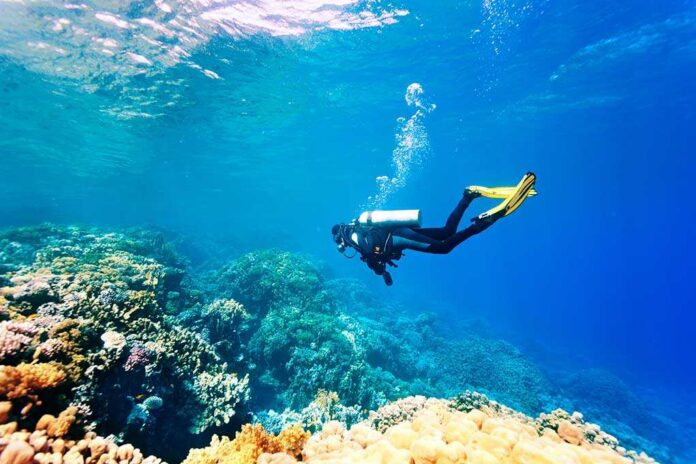
A record heat season pushed the Great Barrier Reef into another mass bleaching, raising alarms about lasting damage documented by Australia’s own reef scientists.
Story Highlights
- Australia’s reef agency confirmed repeated mass bleaching events, including 2024 and 2025.
- Officials reported slight coral cover gains in 2025–26 at some sites despite recent heat stress.
- Tourism operators and community groups are taking hands-on steps to protect high-value reefs.
- Resilience-based management focuses on targeted, practical fixes under rising climate pressure.
What Australia’s Scientists Confirmed About Bleaching
Australian Institute of Marine Science records show the Great Barrier Reef suffered mass bleaching in 1998, 2002, 2016, 2017, 2020, 2022, 2024, and 2025. Officials confirmed the 2024 event as the fifth mass bleaching on the reef since 2016, and part of a fourth global bleaching event. That timeline marks repeated heat stress in less than a decade and sets the stage for tougher management choices across the Marine Park.
Public reports after the 2024–25 heat also documented near-term bright spots. Reef health updates from the Great Barrier Reef Marine Park Authority said coral cover across all regions increased slightly or held steady compared with the prior year. That snapshot does not erase bleaching losses, but it signals living coral still fights back when conditions ease, especially on some local reefs with strong water quality and active stewardship.
Resilience Management: Fix What You Can, Where You Can
Reef leaders describe a clear plan: resilience-based management. Australia’s reef authority says this means using new tools and local knowledge to find “bright spots” and fix them fast. That includes targeted actions at high-value sites to preserve coral, help natural recovery, and guard against the next hot spell. Traditional Owners play a central role, bringing deep cultural and ecological knowledge to guide decisions on Sea Country under rising climate risks.
Tourism operators, fishers, schools, and councils are not bystanders. Government documents outline concrete steps they take now: reporting reef health, removing coral-eating predators, restoring coral at small scales, and following strict rules to reduce harm. These actions show a ground-up model that values personal duty, property stewardship, and practical results over sweeping mandates that miss local needs or waste money.
Competing Narratives: Collapse Talk vs. Measured Recovery
After each heat wave, voices warn the reef is close to a point of no return. Some research outlets stress sharp coral declines on specific reefs and fear a long slide. At the same time, official updates highlight areas of slight recovery and stable coral cover in the latest year. Both signals can be true at once across a system this large, but only the measured data from field surveys can anchor policy and spending choices.
For readers tired of global scare headlines and blank-check demands, the lesson is simple: act on verified local data, not hype. Australia’s own records prove repeated bleaching is real, but they also show where focused care pays off. That balance argues for targeted resilience work, accountability for results, and respect for the people who rely on reef jobs and coastal economies, rather than top-down rules that raise costs and deliver little.
What This Means for U.S. Policy and Common-Sense Conservation
American conservatives can back conservation that protects freedom and livelihoods. The Australian record points to a path that fits our values: empower local users, reward good stewardship, and fix real problems at known sites first. That means better water quality at river mouths, smart reef monitoring, and rapid response when heat or storms hit a hotspot. It avoids one-size-fits-all schemes that drain wallets and expand bureaucracy without measured gains.
The reef story is not a choice between panic and denial. It is a test of discipline. Australia’s data show repeated bleaching and pockets of rebound. Leaders there are moving resources to where they can defend coral now. We should expect the same at home: transparent reports, hard metrics, and local action that protects both nature and the families who depend on it. That approach honors science, defends freedom, and delivers results taxpayers can see.
Sources:
aims.gov.au, newshub-website-data.s3.ap-southeast-2.amazonaws.com, gbrmpa.gov.au, researchdata.edu.au, theconversation.com, bbc.com