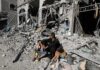

Indonesia’s disaster agency says a 7.7 quake killed dozens and displaced 9,290 people, while helicopters and teams race aid to cut-off survivors.
Story Highlights
- Indonesia’s disaster agency reports 47 dead and 9,290 people in shelters after the Flores quake.
- Evacuations span Sikka, Manggarai, and Nagekeo, with tsunami warnings briefly issued then lifted.
- Blocked roads and landslides slow ground aid, so airlifts and sports-hall shelters are in use.
- Relief flights and coordinated logistics are moving food and supplies into hard-to-reach areas.
Fatalities And Displacement Confirmed By Indonesia’s Disaster Agency
Indonesia’s National Disaster Mitigation Agency reported at least 47 fatalities after a magnitude 7.7 earthquake struck East Nusa Tenggara over the weekend, with 9,290 people now sheltering in evacuation centers across the affected islands. Officials said deaths and injuries came from collapsed buildings, landslides, and falling debris. The agency’s figures guide current rescue and relief plans. These counts may change as teams reach isolated villages and verify conditions in damaged and remote areas.
Authorities described concentrated displacement in Sikka and Manggarai regencies, where many families left damaged homes and gathered at designated sites. In Sikka, hundreds moved into the Samador Sports Hall, while others spread across multiple locations to find safety and basic services. Emergency managers track shelter populations to match food, water, and medical supplies to actual needs. Local leaders are also mapping vulnerable groups, including the elderly, children, and expectant mothers, for targeted support and transport.
Evacuations Follow Tsunami Warning, Then Shift To Shelter Operations
Government alerts and a brief tsunami warning pushed people to higher ground and public spaces, especially in Nagekeo District, before officials lifted the warning and moved residents into formal shelters. That early movement reduced coastal risk during strong aftershocks. Once the warning cleared, responders focused on stable sites with toilets, water points, and space for field clinics. Clear instructions and visible staging areas helped organize families and sped delivery of blankets, tarps, and ready-to-eat meals.
Search and rescue teams reported blocked roads and landslides, which slowed ground transport to the worst-hit zones. Local officials said crews are cutting debris, assessing bridges, and marking safe lanes for convoys. Helicopters and fixed-wing aircraft stepped in to move urgent supplies and evacuate the injured when trucks could not pass. Air assets also ferried engineers and medics to isolated hamlets. That mix of ground and air operations is critical in island chains where one broken road can leave towns stranded for days.
Food, Airlifts, And Interagency Coordination Sustain The Response
Relief planners loaded aircraft with food, water, and medical kits to stabilize shelters while roads are reopened. Government logistics officers said multiple flights delivered tons of supplies into hubs, where local teams break down pallets and truck them to shelters and clinics. Military and police units reinforced distribution and security, while civil agencies registered evacuees. This system ensures families receive rations and hygiene items and that clinics have bandages, antibiotics, and oral rehydration salts for common post-quake illnesses.
🚨 BREAKING: INDONESIA EARTHQUAKE DEATH TOLL RISES TO AT LEAST 70
The death toll from the powerful earthquake that struck Indonesia’s Flores island has risen to at least 70, with nearly 1,200 people injured as emergency crews continue working across devastated communities.… pic.twitter.com/BpTJQLk38I
— DiscoverX (@kr51877) August 18, 2026
Officials and aid groups continue door-to-door checks for trapped or injured residents, as well as rapid damage surveys to identify unsafe buildings. Shelter managers track headcounts, watch for dehydration and infections, and refer severe cases for helicopter evacuation when roads are blocked. Planners warn that broken phone networks and fuel shortages can delay service runs and data updates, so they prioritize simple, proven steps: clear roads, restore power and water, and keep food lines steady. As access improves, teams will shift from emergency aid to repair and recovery.
Sources:
en.antaranews.com, cdn.who.int, asianews.network, ahacentre.org