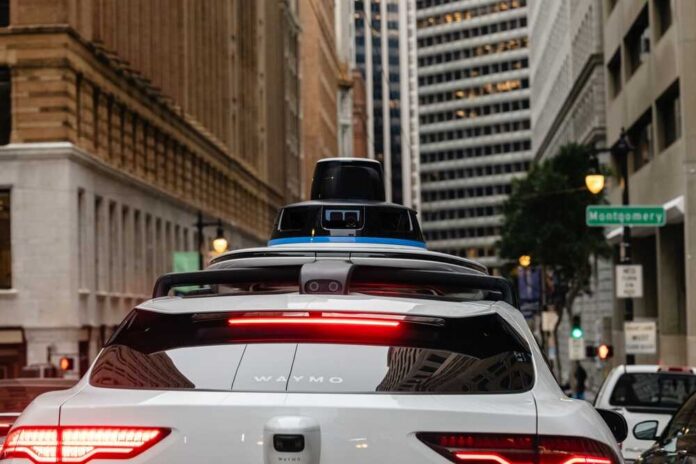
California’s driverless car companies exploited a legal loophole for years, allowing their autonomous vehicles to break traffic laws with complete immunity while ordinary citizens faced fines for identical violations.
Story Snapshot
- Tech giants like Waymo operated nearly 1,000 autonomous vehicles across California without accountability for traffic violations due to outdated laws requiring human drivers to receive tickets
- New DMV regulations effective July 1, 2026, close the enforcement gap but issue corporate notices instead of traditional fines, raising questions about equal treatment under the law
- The accountability shift follows a 2023 NBC Bay Area investigation exposing incidents where police couldn’t cite driverless cars for illegal maneuvers, including running red lights and blocking emergency vehicles
- Regulatory changes permit autonomous trucks over 10,000 pounds on public roads while requiring companies to report violations within strict timeframes or face permit suspension
Tech Giants Operated Above Traffic Laws
California’s autonomous vehicle operators enjoyed unprecedented immunity from traffic enforcement for years because state vehicle codes written decades ago exclusively targeted human drivers. Companies like Waymo, an Alphabet subsidiary, deployed approximately 1,000 driverless vehicles throughout the Bay Area while violations such as illegal U-turns, running red lights, and obstructing emergency responders went unpunished. San Bruno police documented one egregious example when they witnessed a Waymo vehicle execute an illegal U-turn but could only notify the company rather than issue a citation. This two-tiered system allowed wealthy tech corporations to operate under different rules than everyday Californians.
Corporate Notices Replace Traditional Accountability
The California DMV announced regulations taking effect July 1, 2026, that close the enforcement loophole through “notices of AV noncompliance” directed at operating companies rather than traditional traffic tickets. These notices escalate to fleet restrictions, geofencing limitations, and potential permit revocation for repeat offenders. However, the framework stops short of imposing monetary fines comparable to those assessed against human drivers for identical infractions. Companies must report incidents within 72 hours for minor violations and 24 hours for serious crashes, while emergency officials gain authority to issue two-minute geofencing directives requiring 30-second company responses. This dual-track justice system raises fundamental questions about equal protection under the law.
Investigative Journalism Forces Regulatory Response
NBC Bay Area’s investigative unit exposed the accountability vacuum in 2023, documenting how autonomous vehicles routinely violated traffic laws without consequence. The reporting detailed patterns of self-driving cars entering active emergency scenes, disregarding traffic signals, and executing illegal maneuvers while law enforcement officers stood powerless to intervene. Governor Gavin Newsom signed Assembly Bill 1777 in 2024 following public outcry generated by the investigation, directing the DMV to develop enforcement protocols. The timeline demonstrates a troubling reality: state regulators permitted tech companies to operate fleets of experimental vehicles on public roads for years before establishing basic safety oversight mechanisms that protect ordinary citizens.
Broader Implications for Transportation Policy
The regulatory framework establishes precedent for autonomous truck operations exceeding 10,000 pounds, potentially transforming freight transportation while critics question whether adequate safety protocols exist. Bay Area residents face increased exposure to experimental vehicle technologies as companies expand testing operations under regulations that substitute corporate notices for meaningful financial penalties. The enforcement structure relies on DMV escalation rather than local police authority, centralizing power with state bureaucrats and distant regulators instead of community officials who understand neighborhood safety concerns. First responders gain limited geofencing tools but depend on corporate compliance rather than immediate control over traffic situations, a concerning delegation of public safety authority to private profit-driven entities.
Waymo maintains its technology “respects rules of the road,” yet the company’s vehicles operated for years violating those very rules without accountability, undermining public trust in both autonomous systems and government oversight. The compromise solution of corporate notices rather than equal fines perpetuates a pattern where powerful tech companies negotiate preferential treatment while working families face the full force of traffic enforcement. Americans across the political spectrum increasingly recognize this double standard as symptomatic of a broader problem: government institutions that serve corporate interests over citizen welfare, allowing elite entities to write their own rules while ordinary people bear the consequences of laws applied unequally.
Sources:
Authorities Can Fine Driverless Cars, Deploy Emergency Geofencing Starting July 1
Autonomous Vehicles Start Getting Traffic Tickets on California Streets